Browse
Home Types
Homebuilders
Locations



We’ve received your message and one of our team members will get back to you shortly.

We’ve received your message and one of our team members will get back to you shortly.
Discover log cabins, modern cabins, and off-grid homes built for remote land. Compare models, pricing, and self-sufficient living solutions.


We’ve received your message and one of our team members will get back to you shortly.
We’ve received your message and one of our team members will get back to you shortly.
We’ve received your message and one of our team members will get back to you shortly.
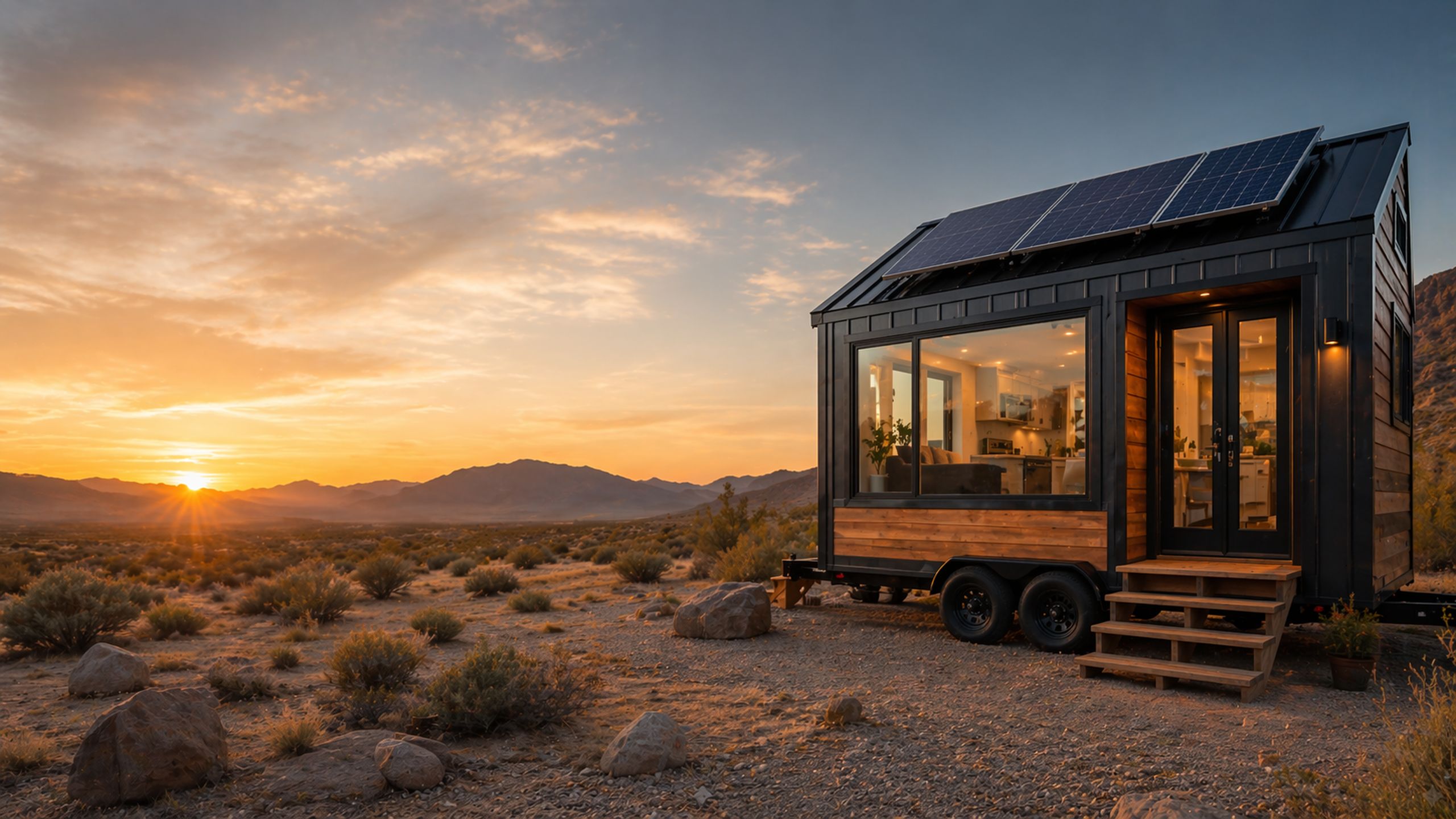
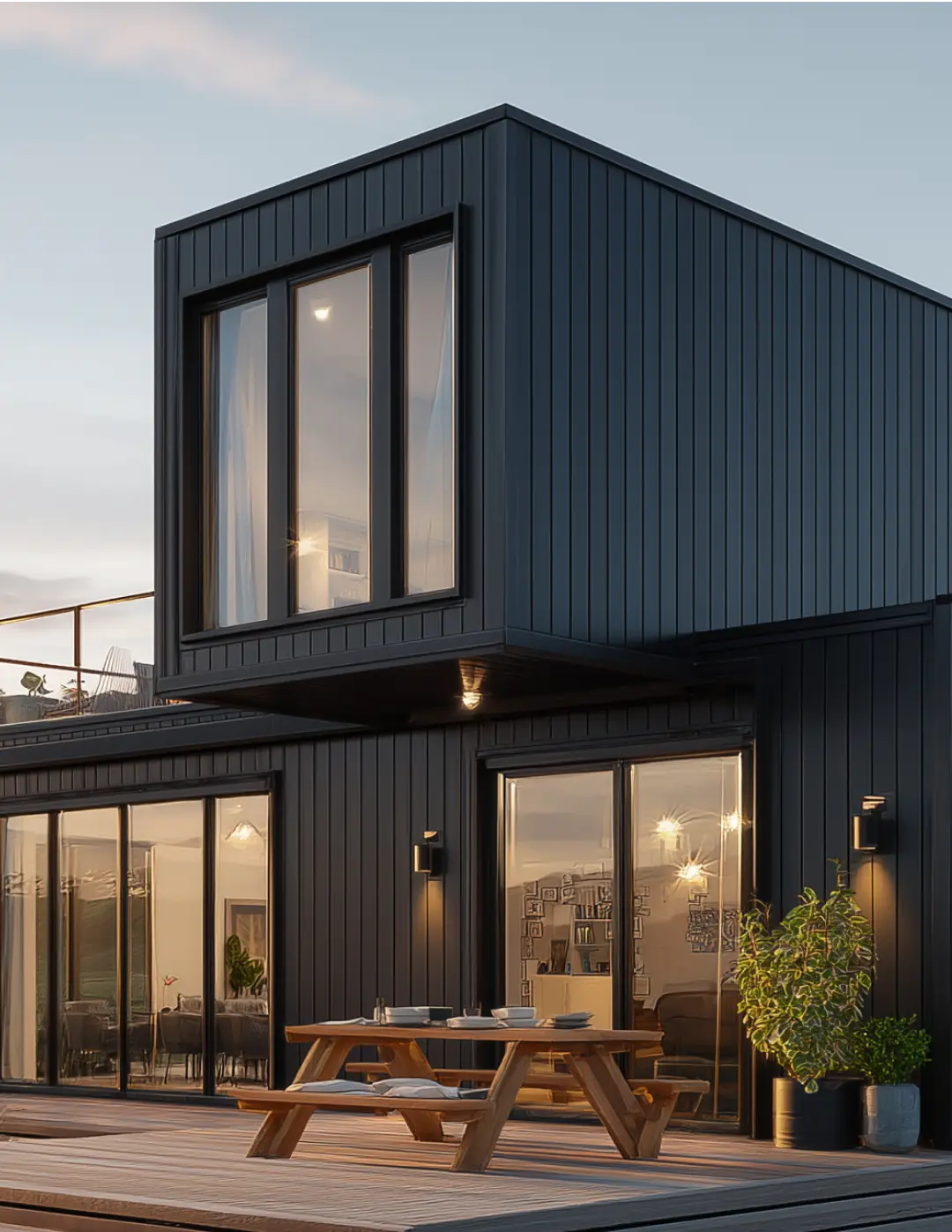
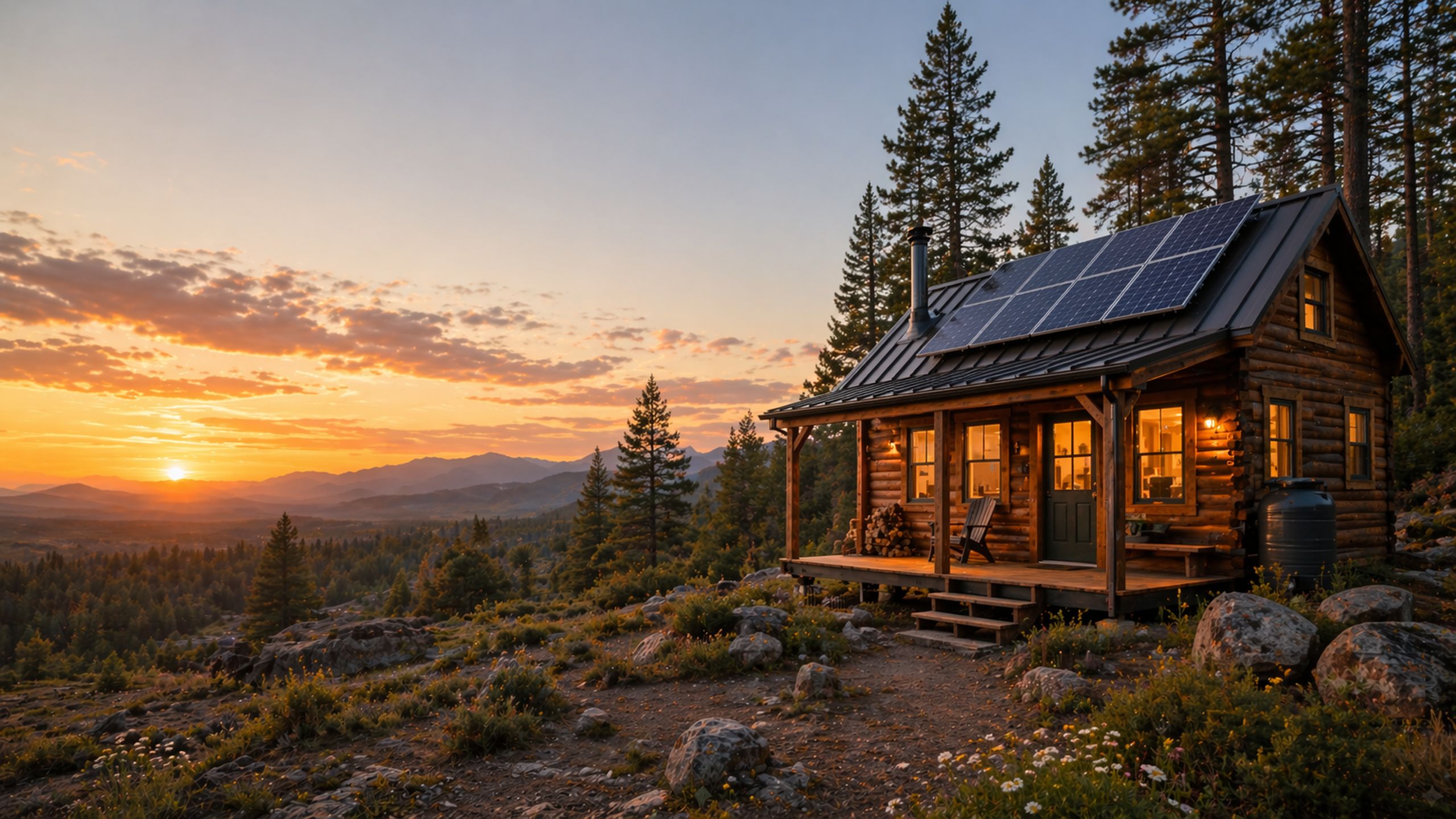
Cabins are smaller residential structures, traditionally built with log or timber construction, designed for rural or wooded settings. Modern cabins span styles from classic log homes to contemporary minimalist retreats. Off-grid homes take the cabin concept further by operating independent of municipal utilities, generating their own power through solar, collecting rainwater, and managing waste through septic or composting systems. Many cabins are delivered as prefab structures, reducing on-site construction time and cost.
Cabins suit buyers with rural land who want a vacation home, weekend retreat, or permanent residence away from dense population areas. Off-grid buyers add self-sufficiency as a priority: reducing utility bills, living on land without municipal service, or preparing for long-term resilience. Both categories work well for buyers who value natural settings and are comfortable with higher upfront costs in exchange for lower ongoing expenses.
Prefab cabins range from $30,000 for basic shells to $250,000+ for fully finished turnkey cabins with premium materials. A traditional 800 sq ft log cabin generally runs $75,000 to $150,000 before land, foundation, and utilities. Fully off-grid packages (solar, batteries, water collection, septic) add $25,000 to $75,000 depending on system size and climate.
Start by deciding grid-tied versus off-grid, then determine your land's specific requirements (access, soil, orientation for solar). Filter cabin manufacturers by delivery region and price. If you're buying land alongside the cabin, prioritize regions with lenient zoning for off-grid structures. For year-round use, prioritize cabins with above-code insulation and efficient heating, because upfront cost savings often get erased by heating bills in harsh winters.


.png)