Browse
Home Types
Homebuilders
Locations



We’ve received your message and one of our team members will get back to you shortly.

We’ve received your message and one of our team members will get back to you shortly.
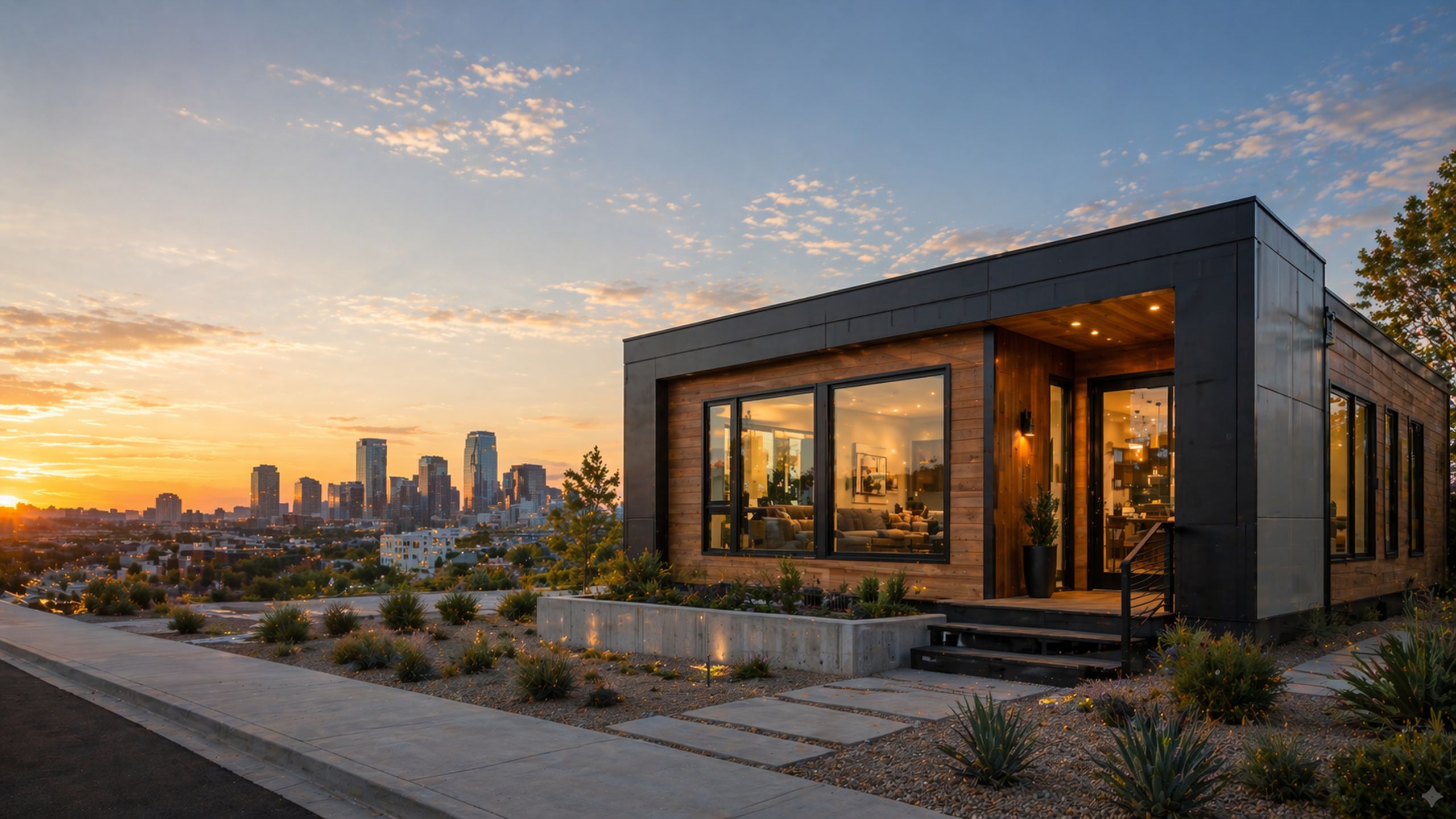
Browse factory-built modular homes from leading manufacturers. Compare floorplans, pricing, and delivery timelines, all in one place.


We’ve received your message and one of our team members will get back to you shortly.
We’ve received your message and one of our team members will get back to you shortly.
We’ve received your message and one of our team members will get back to you shortly.
Modular homes are factory-built houses constructed in sections (called modules) inside a controlled indoor environment, then transported to your site and assembled on a permanent foundation. Unlike manufactured homes, they're built to the same local and state building codes as site-built houses, which means they qualify for conventional mortgages and appraise like traditional construction.
Modular homes suit buyers who want the quality and financing options of a traditional home with the speed and cost predictability of factory construction. They're a strong fit for first-time homebuyers, growing families looking for more square footage per dollar, and anyone building on raw land who wants to avoid a multi-year custom build. Buyers looking for the fastest possible timeline, ideally under six months from order to move-in, should consider modular seriously.
Modular homes typically range from $80,000 to $400,000 for the home itself, not including land, foundation, utilities, or site prep. Price varies with size (ranch vs. two-story), finish level, and regional labor costs for on-site assembly. A 1,500 sq ft two-bedroom modular generally runs $120,000 to $200,000 before site work, while a larger 2,500+ sq ft home with premium finishes can exceed $350,000.
Start by filtering available modular home manufacturers by delivery region and price range, then compare floorplans side by side. If you already have land, check delivery coverage by manufacturer before narrowing your shortlist. Pay attention to standard versus upgrade finishes: two models at the same base price can have very different real-world costs once you add the finishes you actually want.


.png)