Browse
Home Types
Homebuilders
Locations



We’ve received your message and one of our team members will get back to you shortly.

We’ve received your message and one of our team members will get back to you shortly.
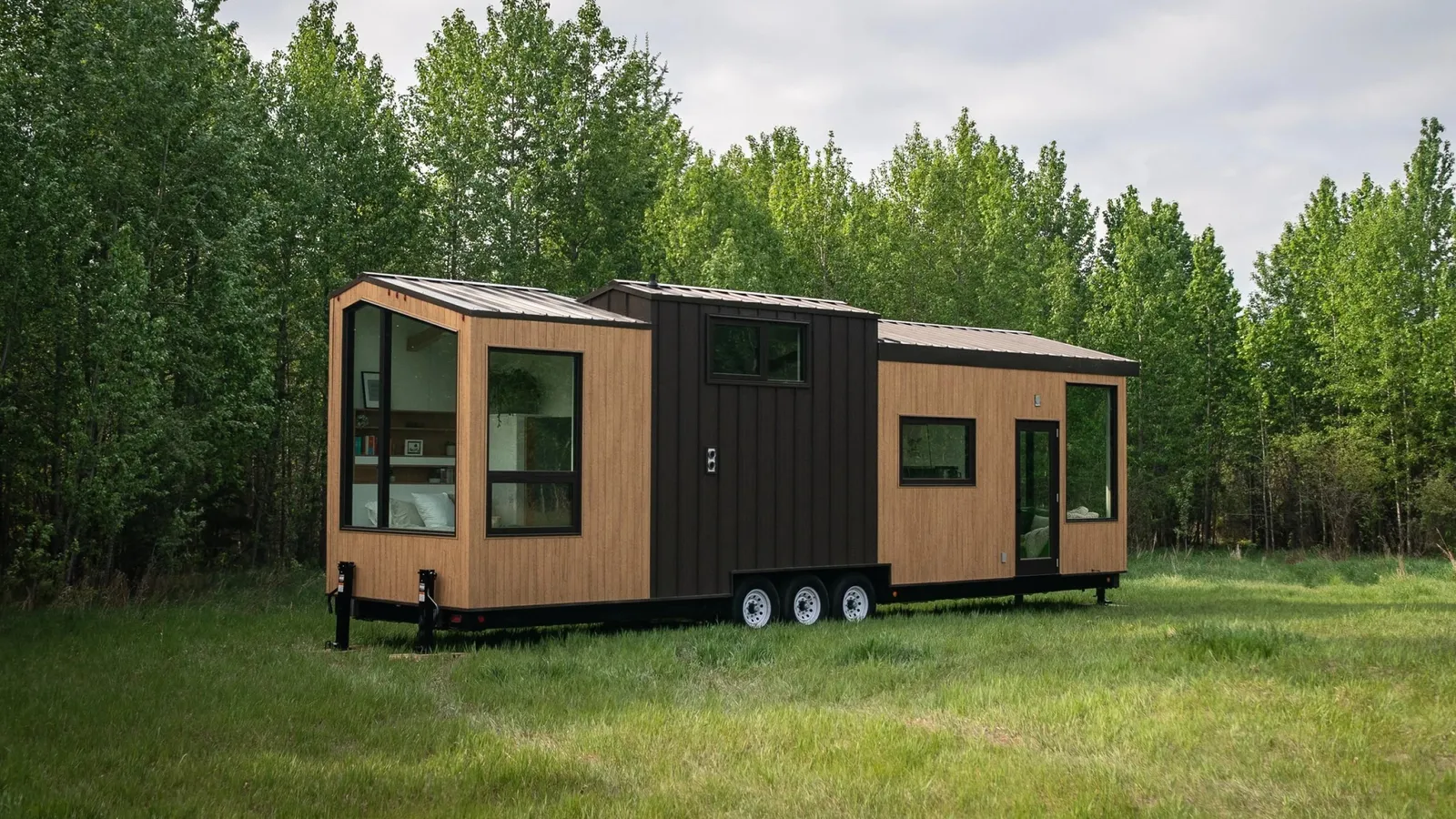
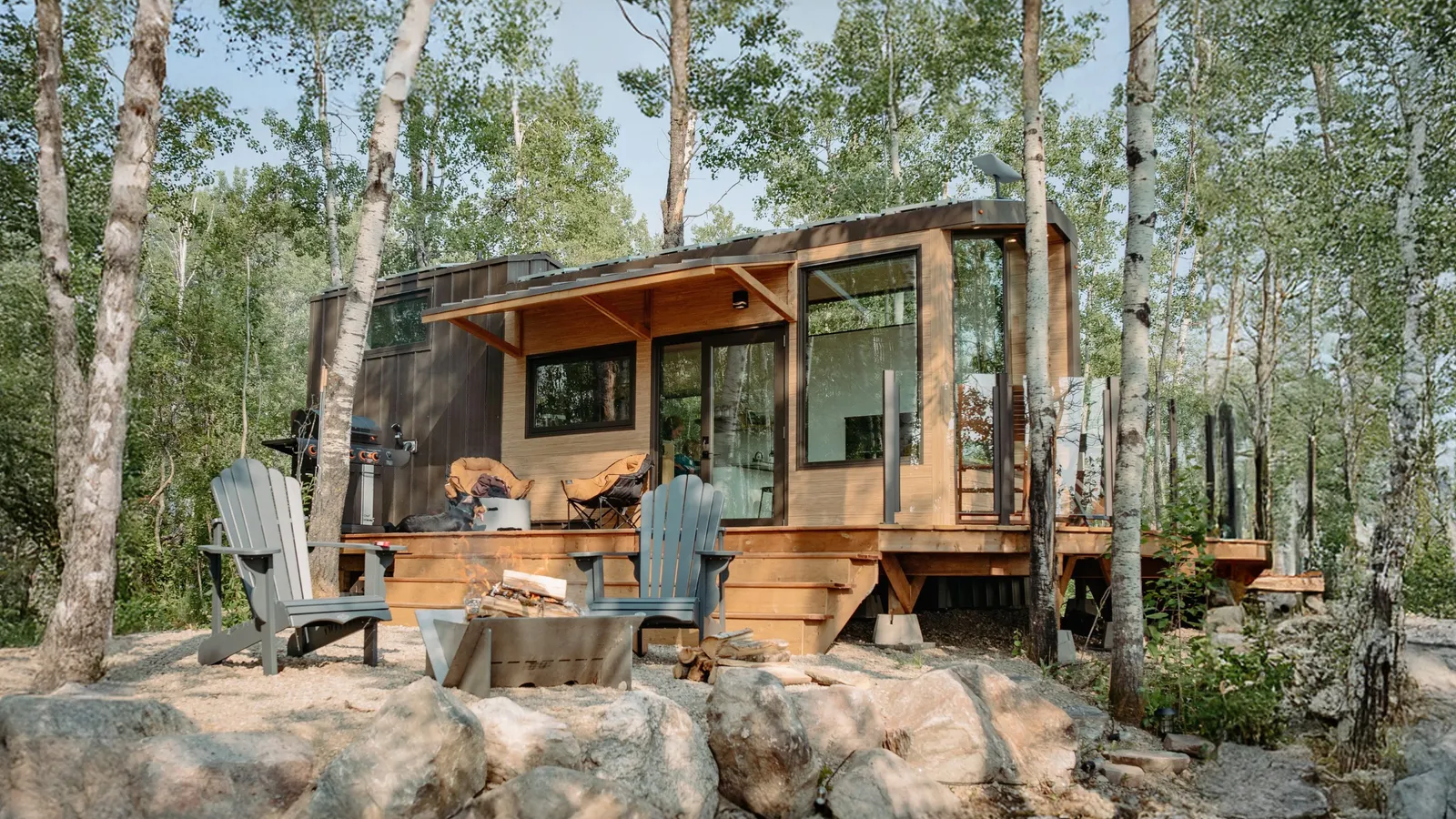
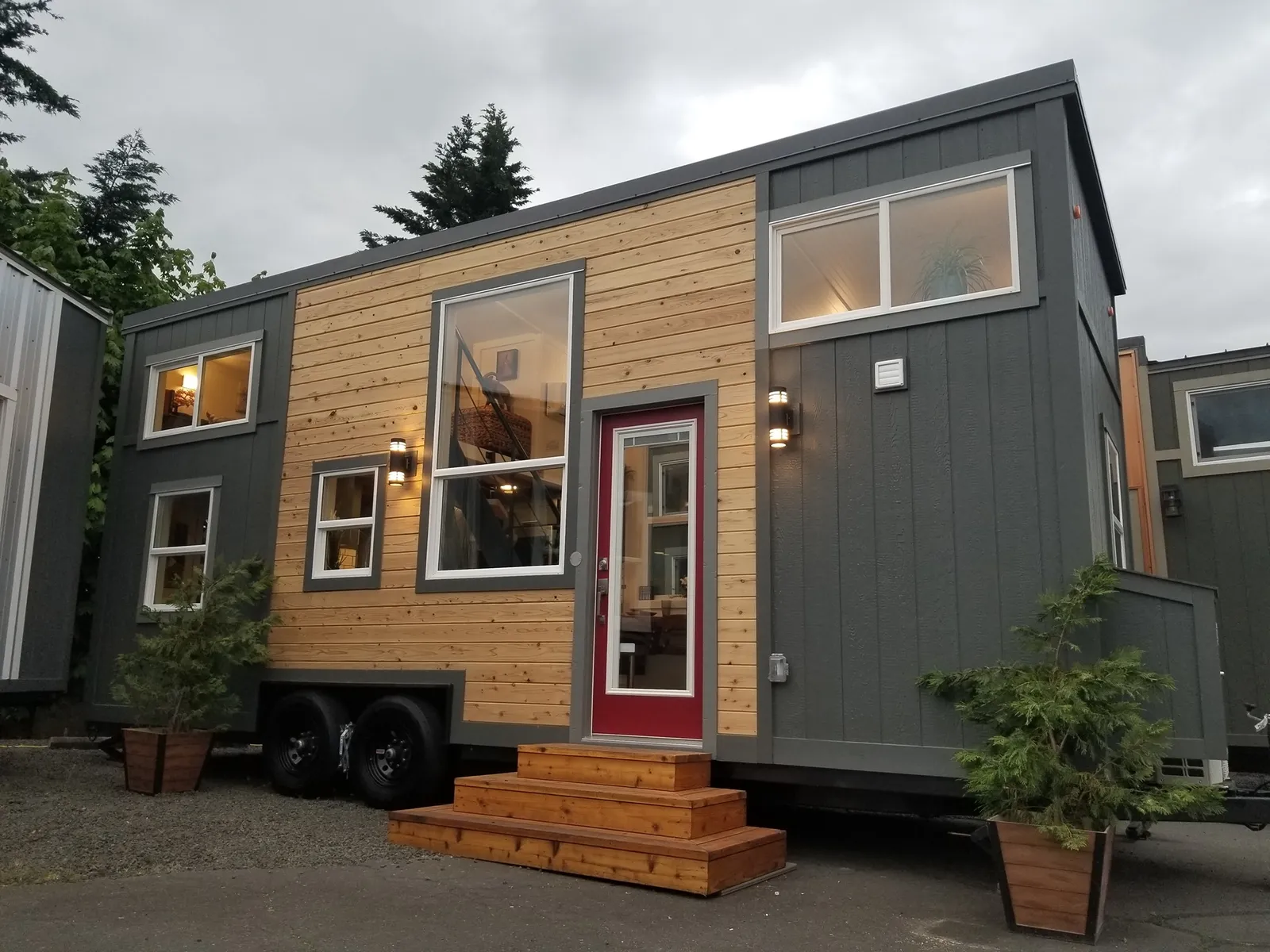
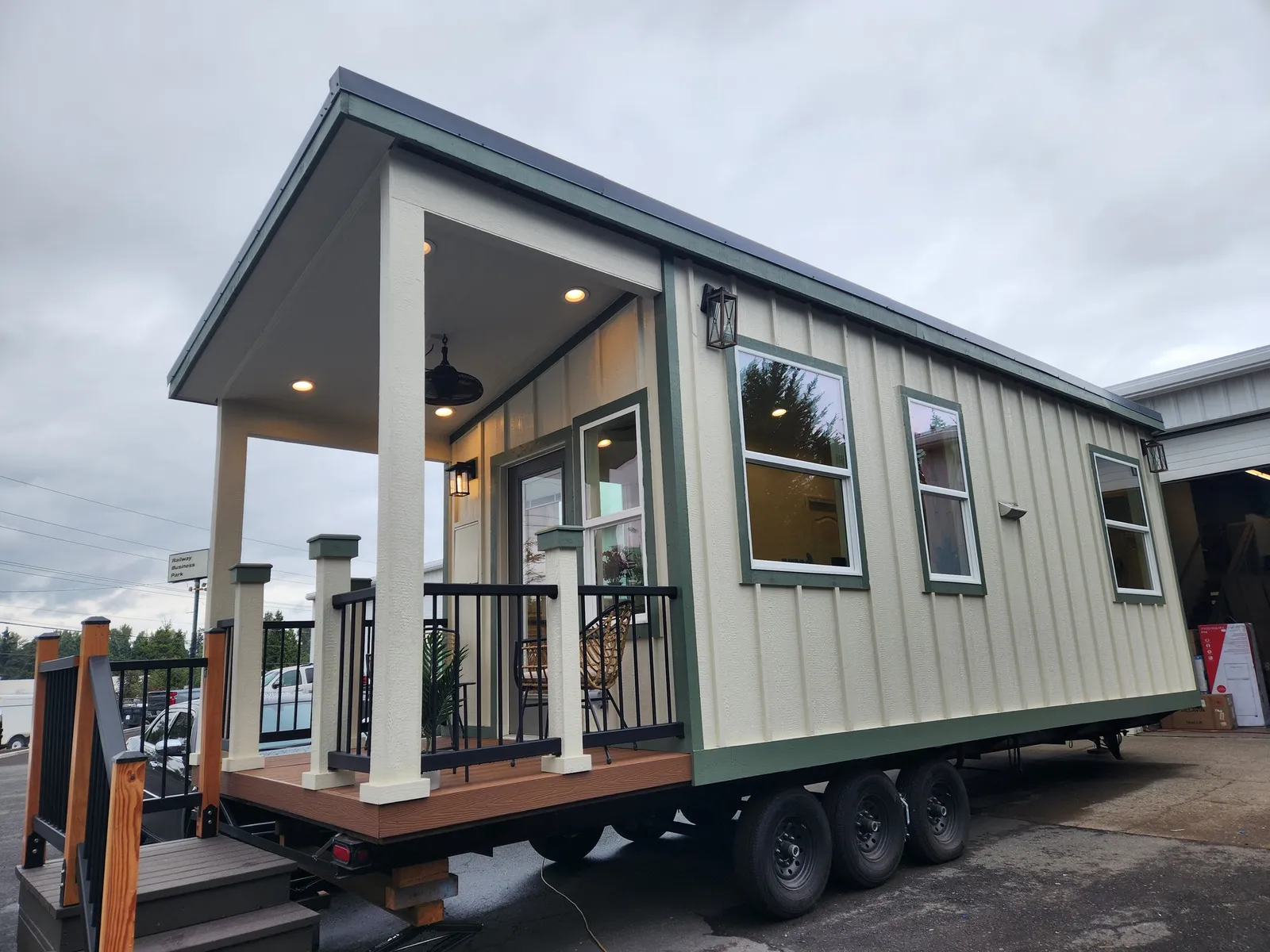
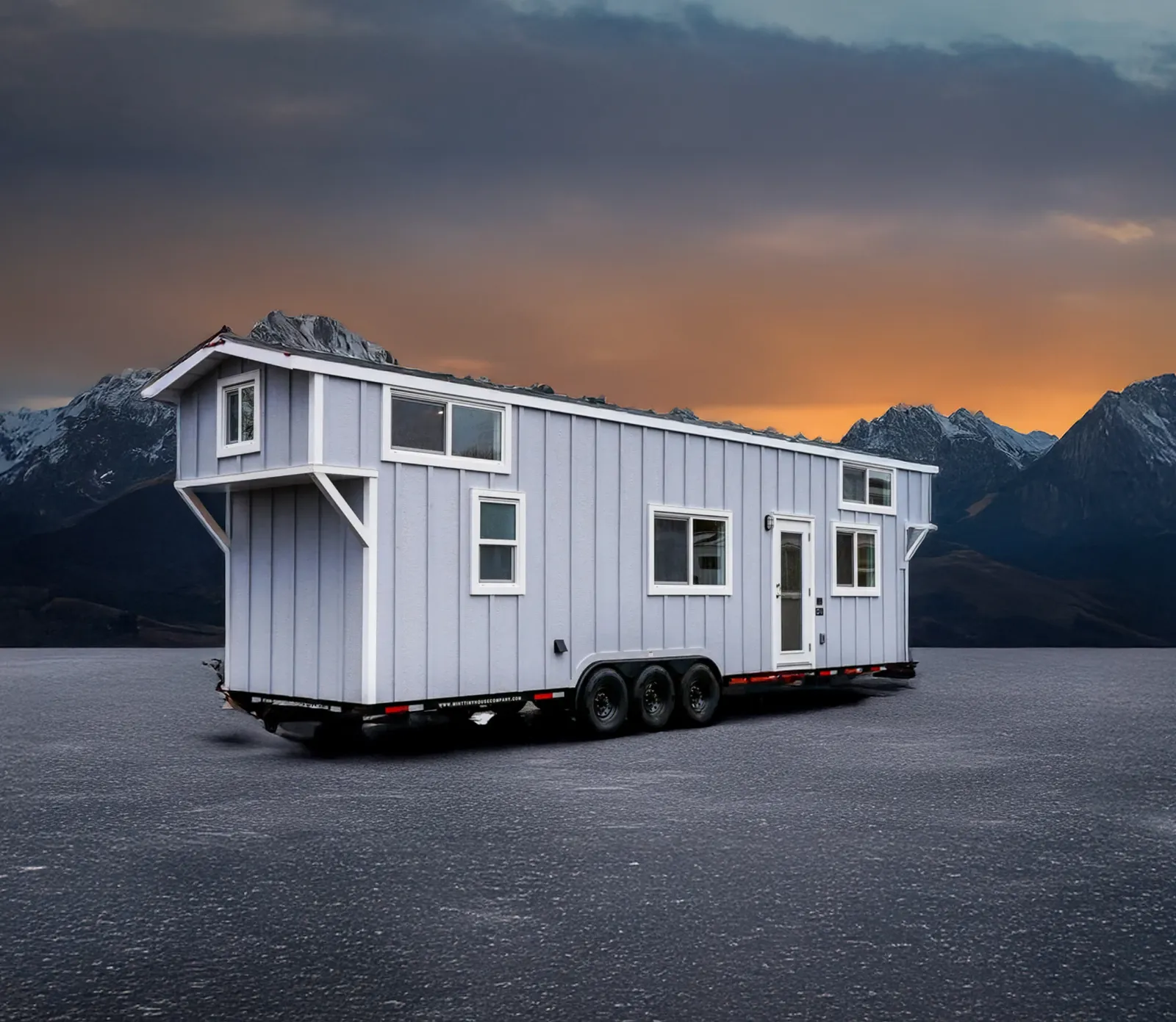
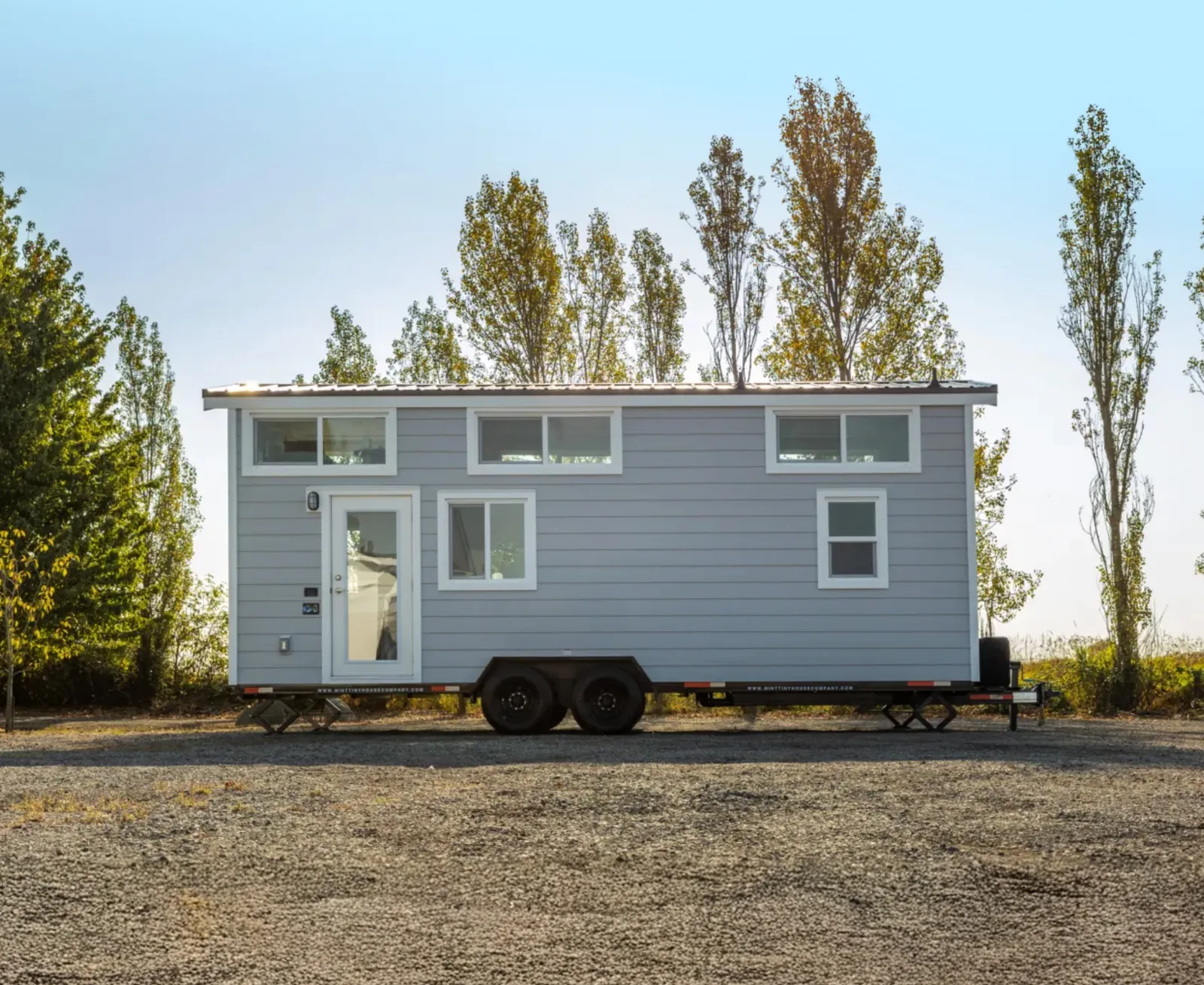
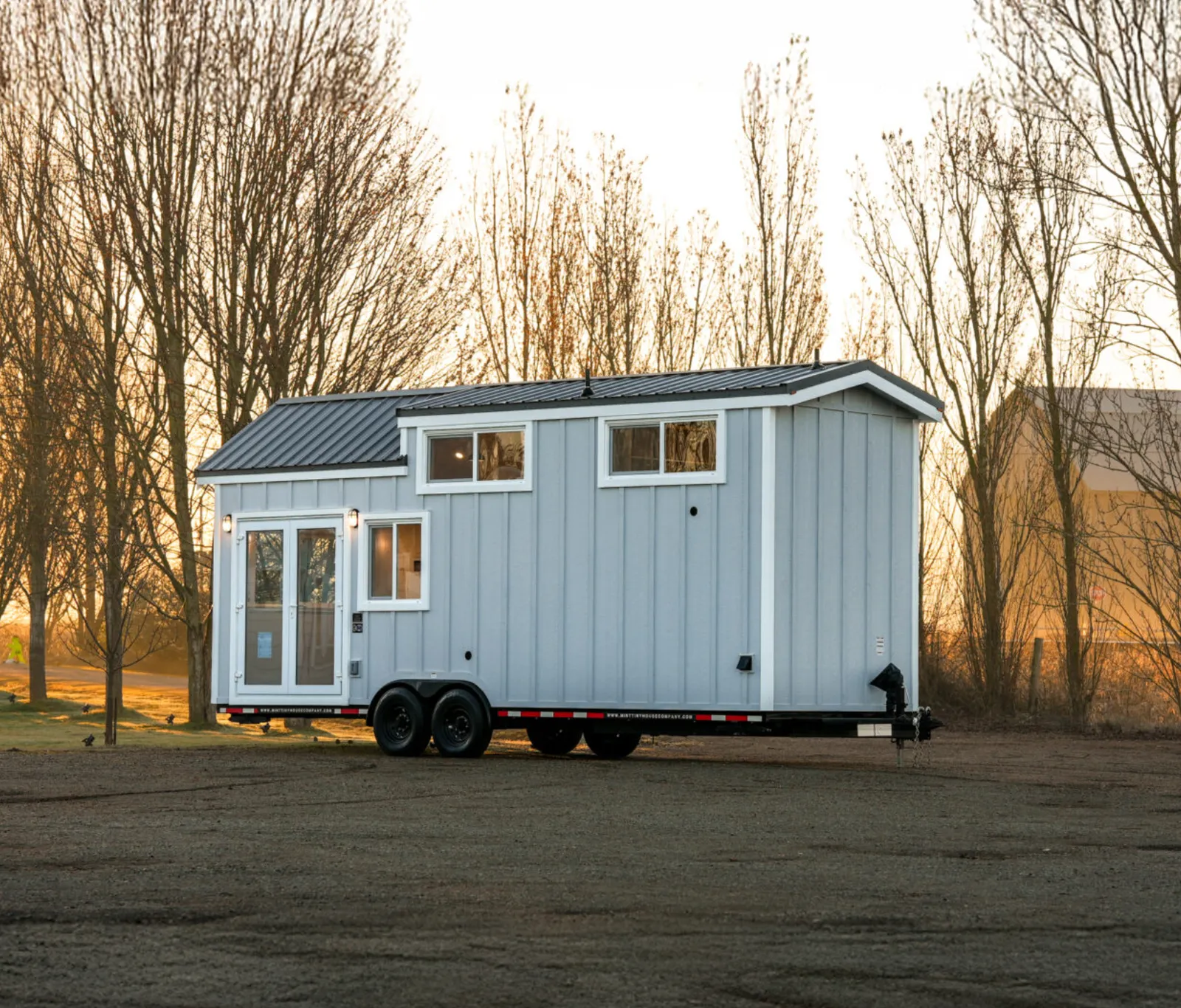
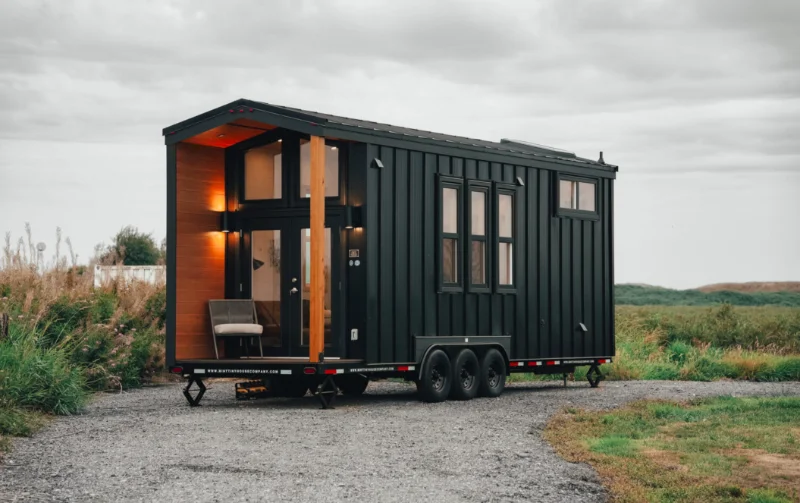
Explore modern tiny homes on wheels. Compare floorplans, pricing, and availability, all in one place.


We’ve received your message and one of our team members will get back to you shortly.
We’ve received your message and one of our team members will get back to you shortly.
We’ve received your message and one of our team members will get back to you shortly.
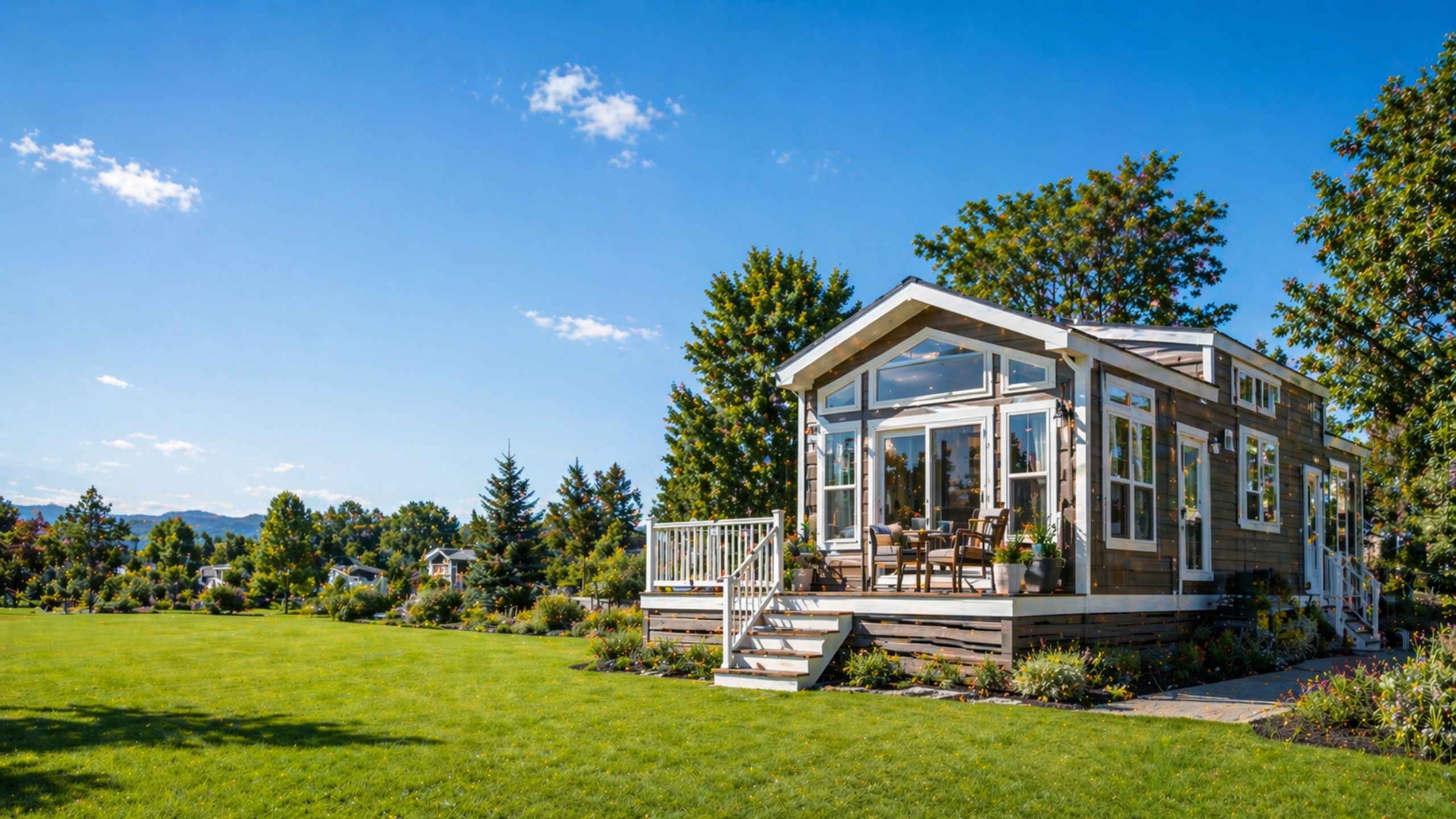
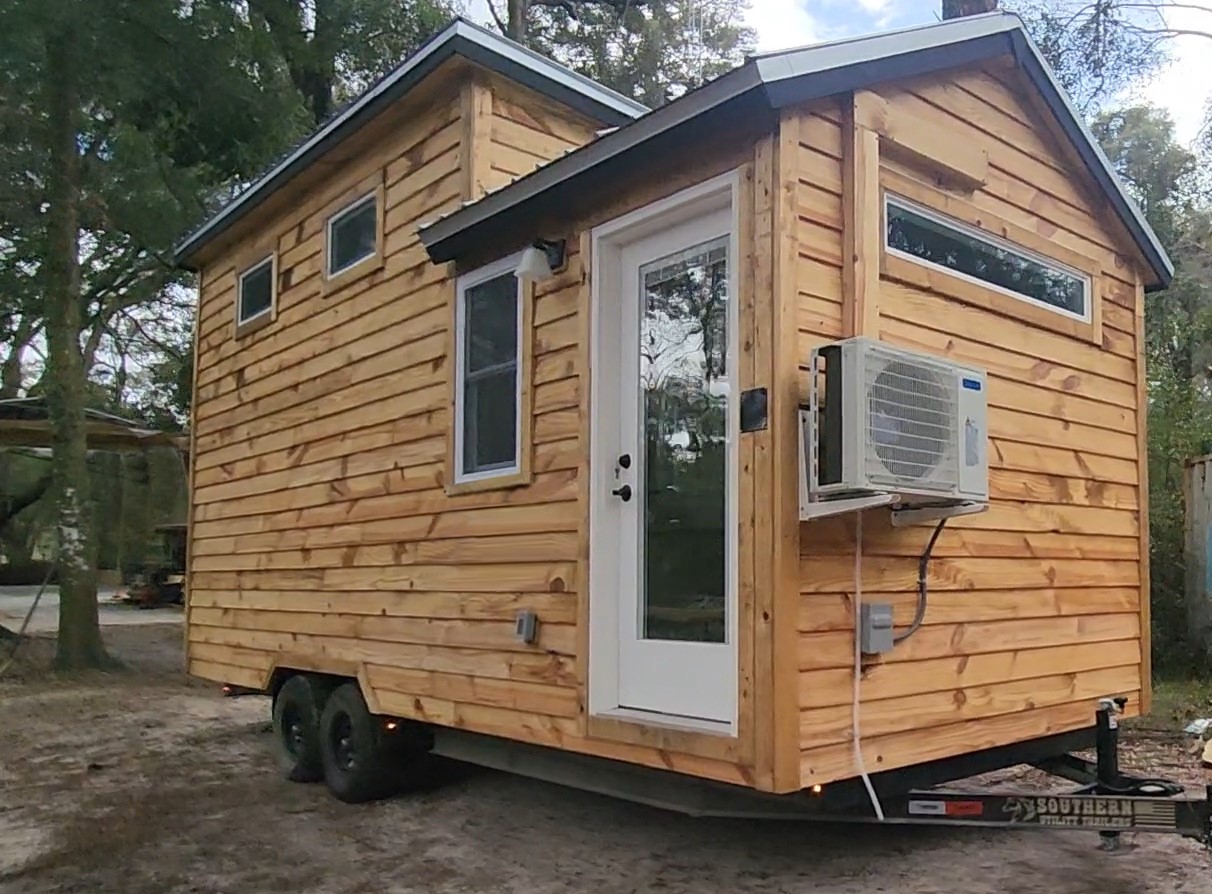
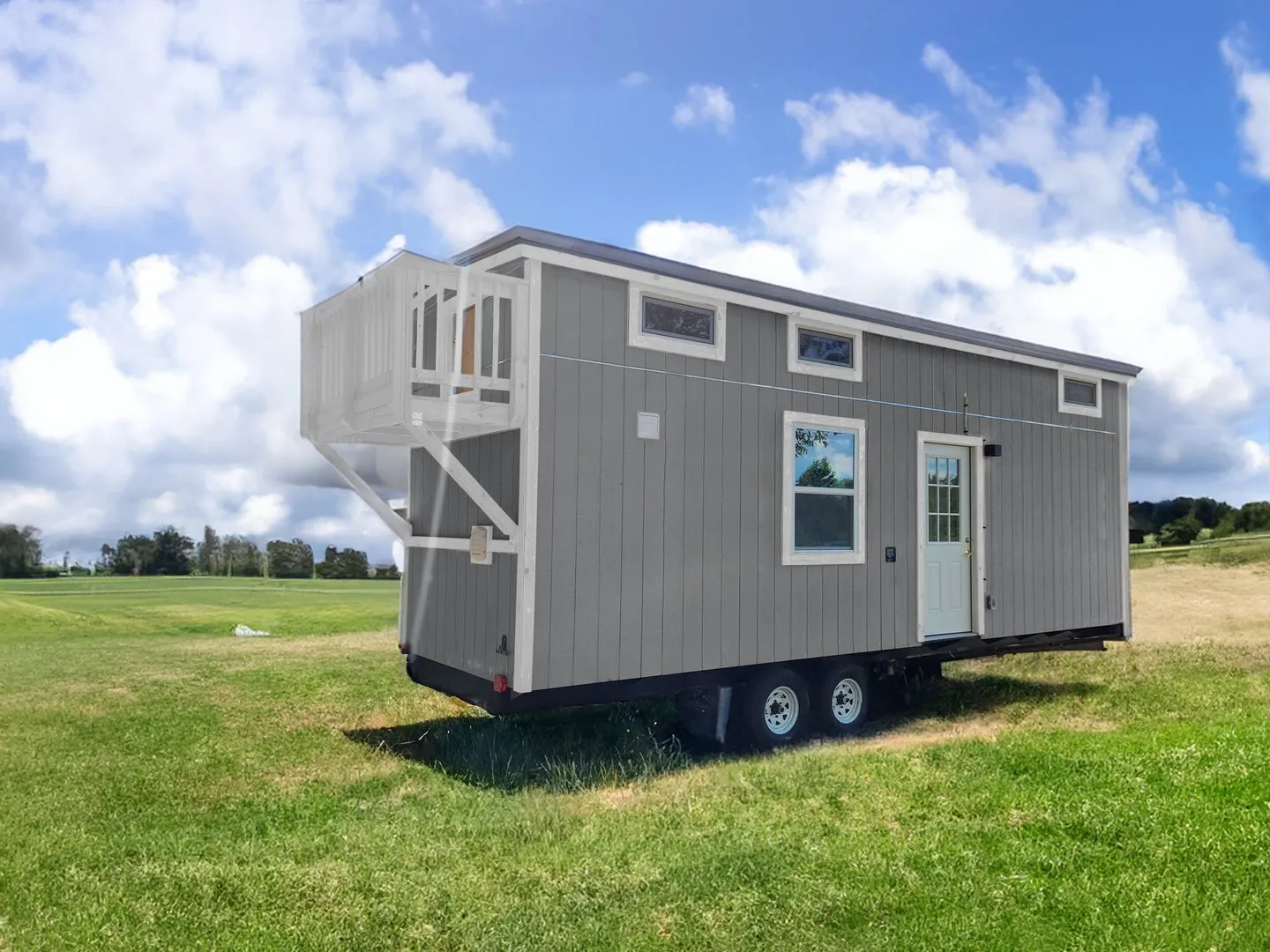
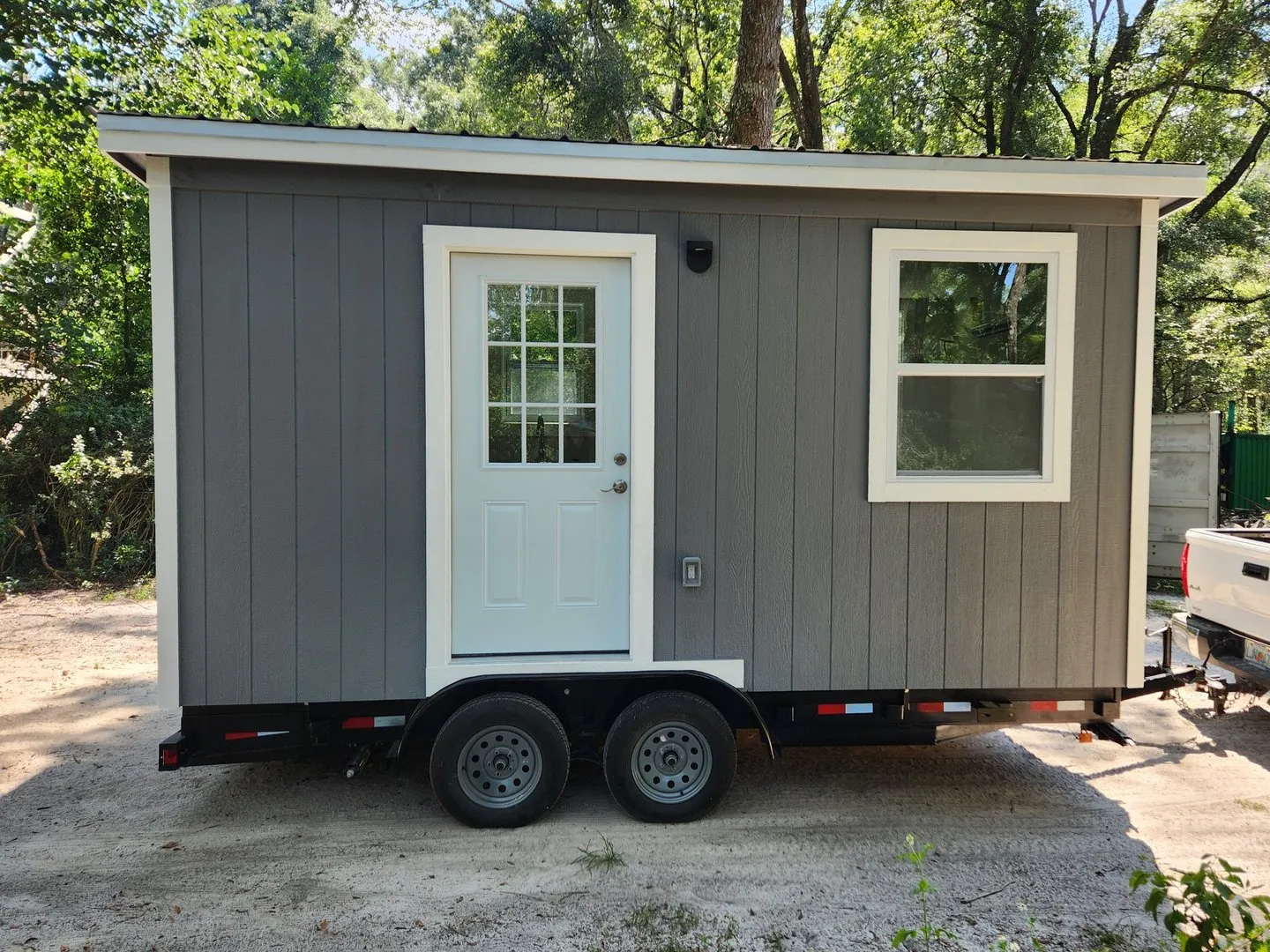
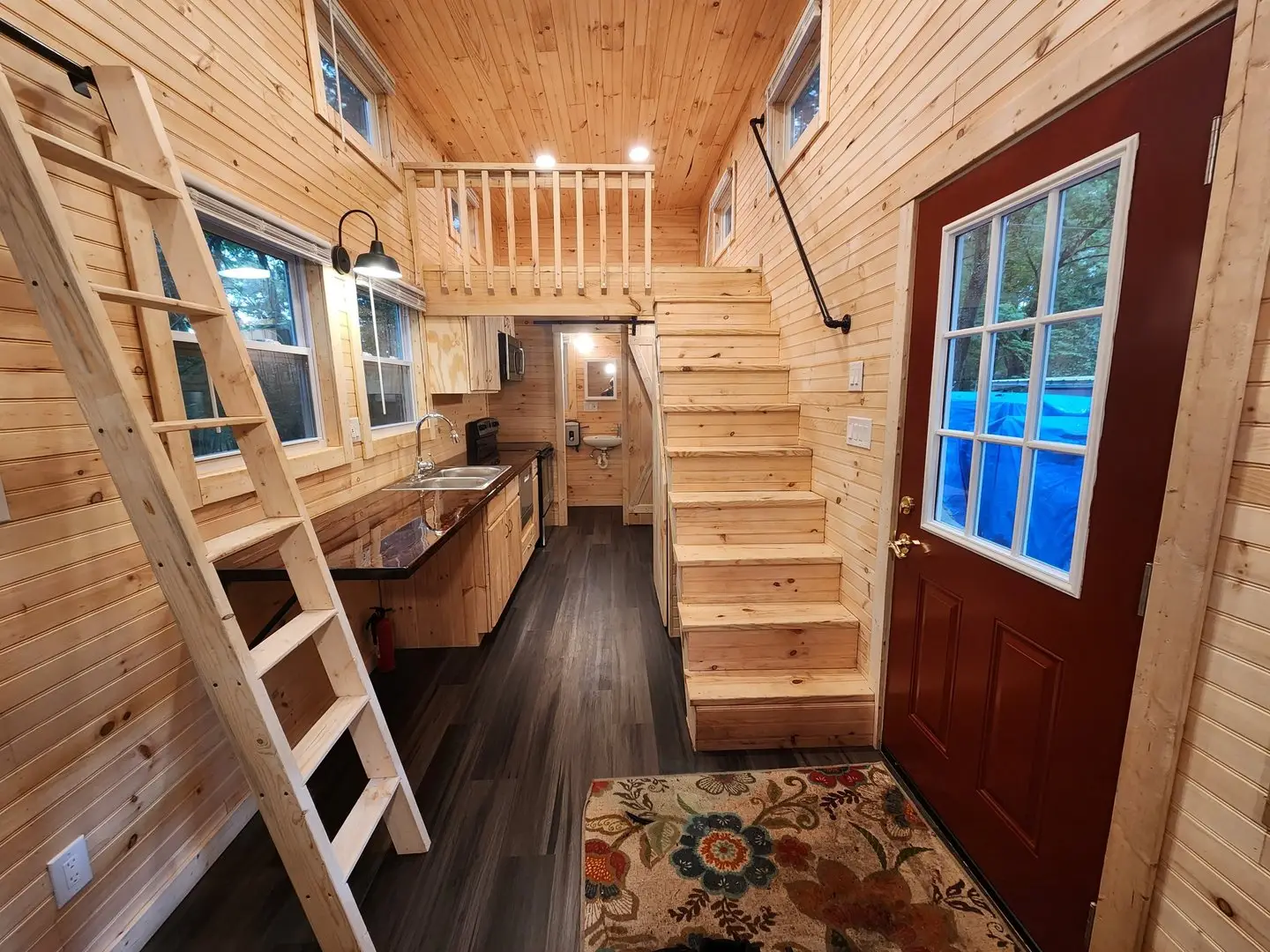
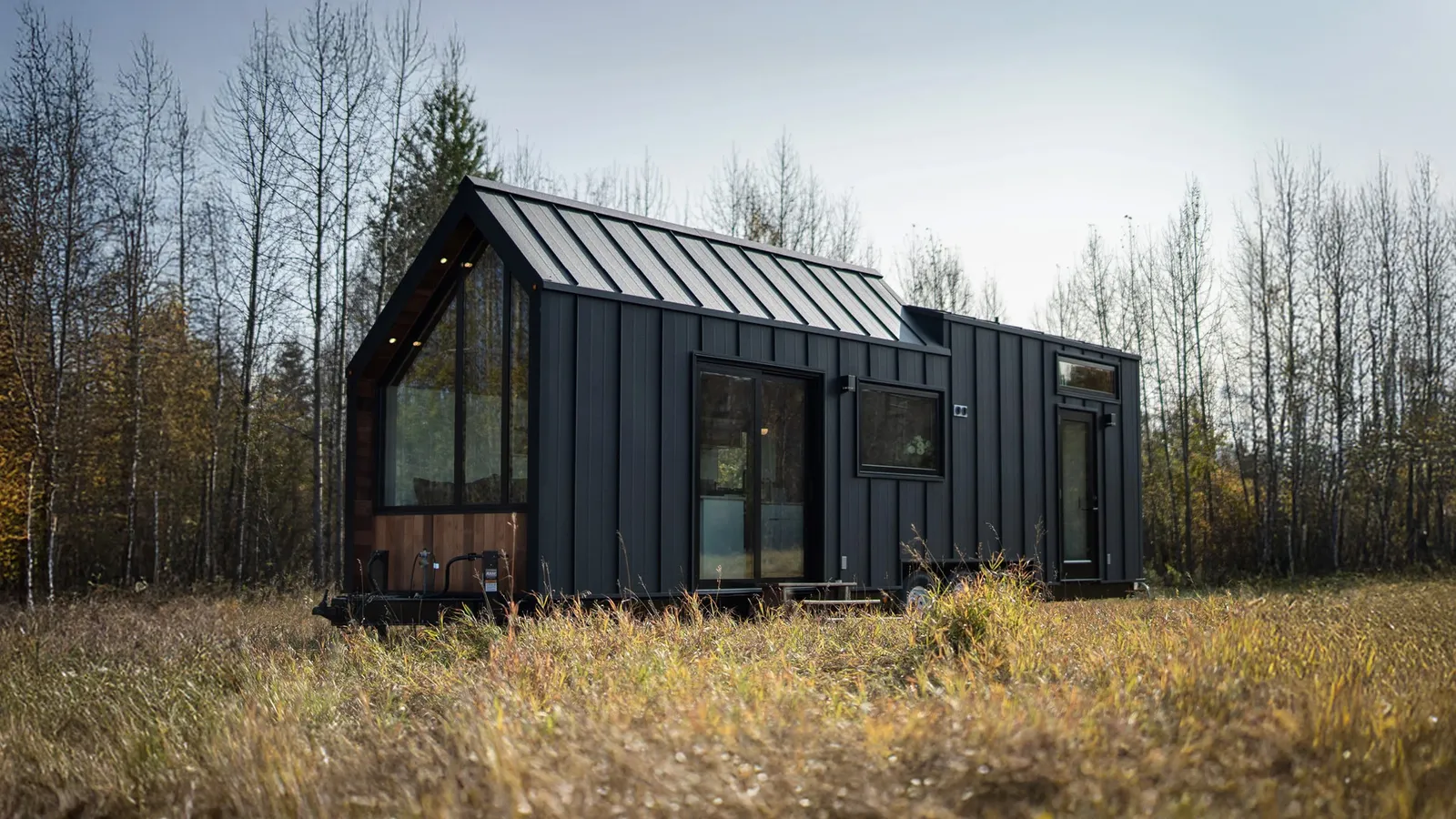
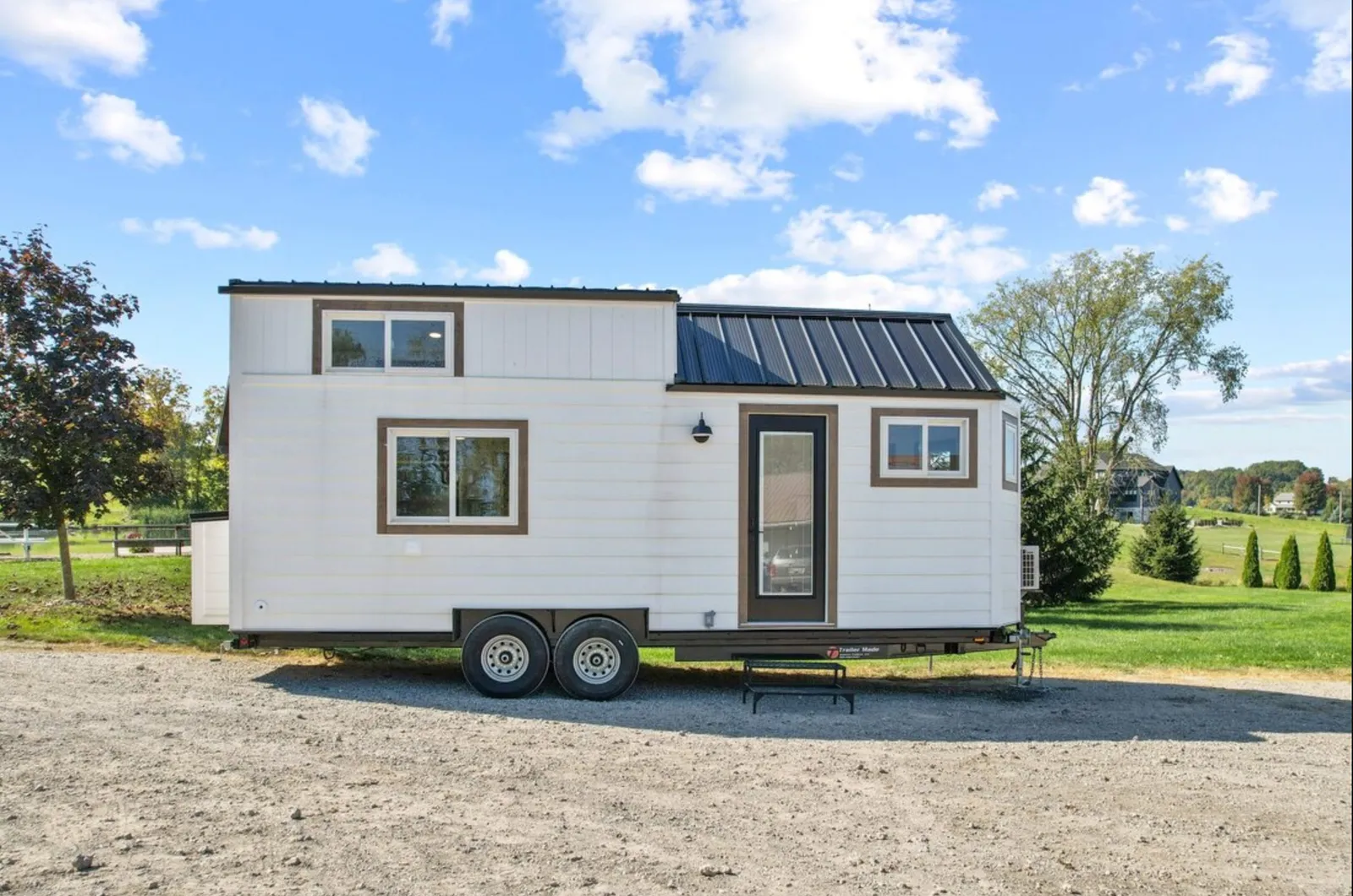
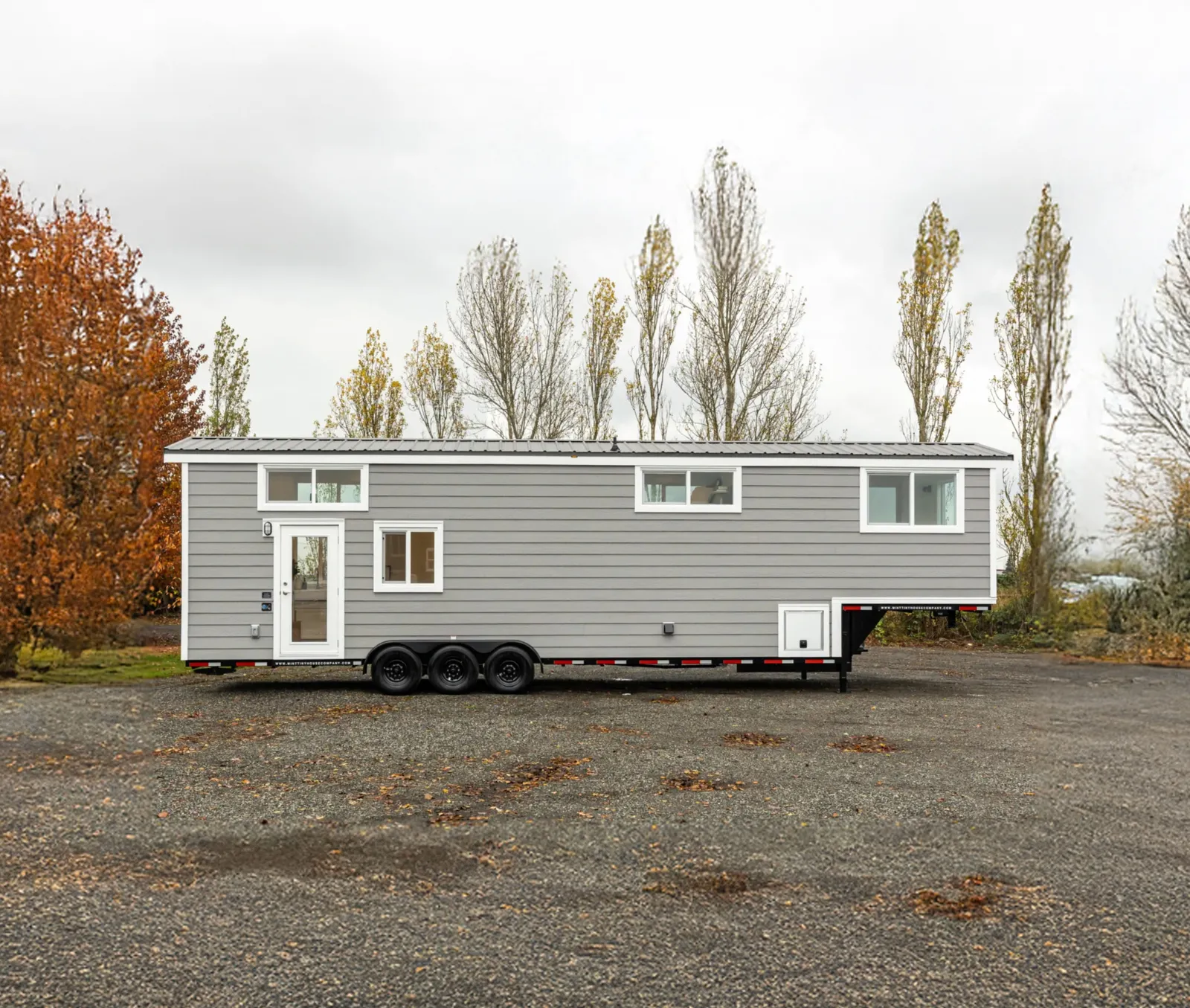
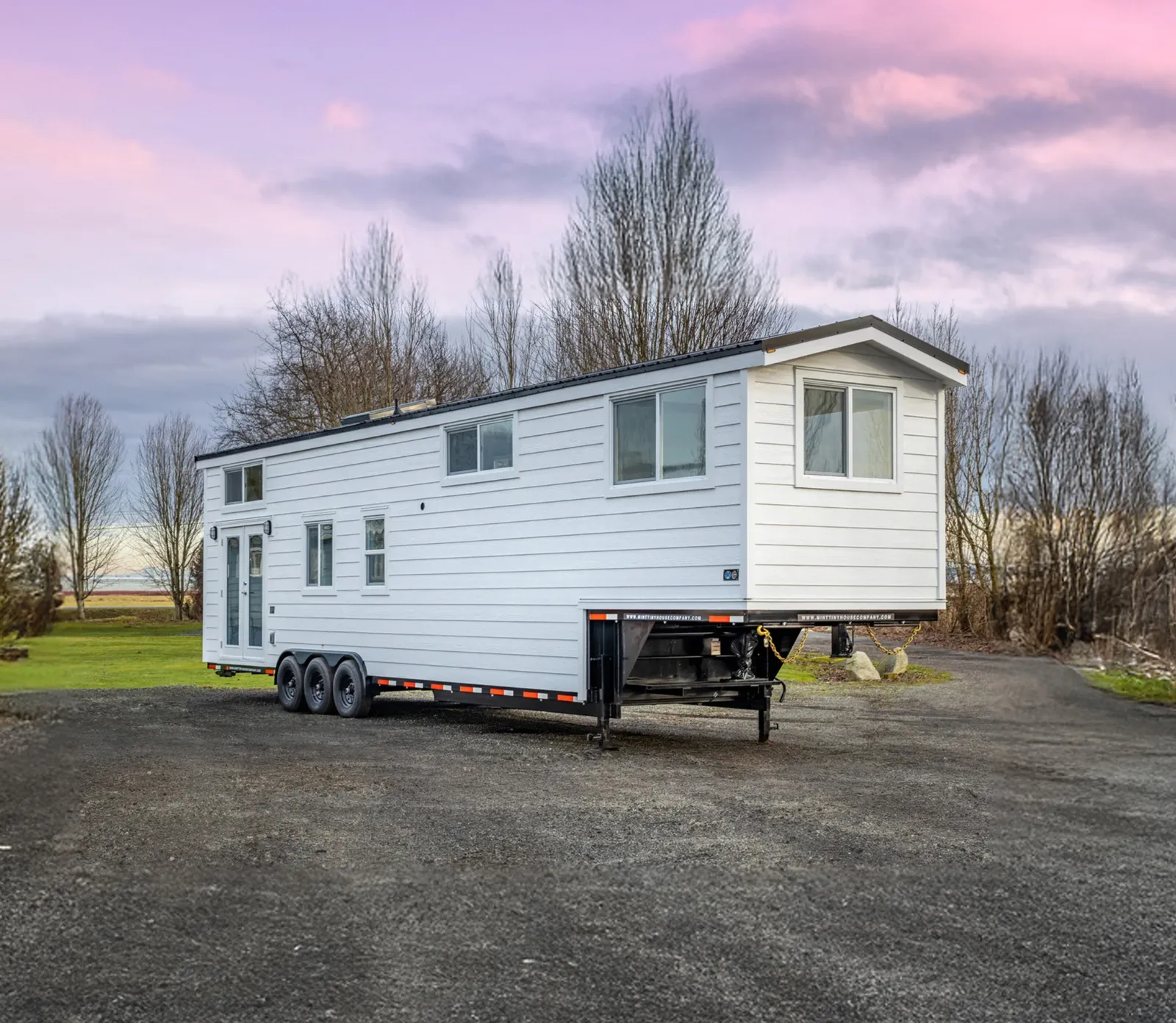
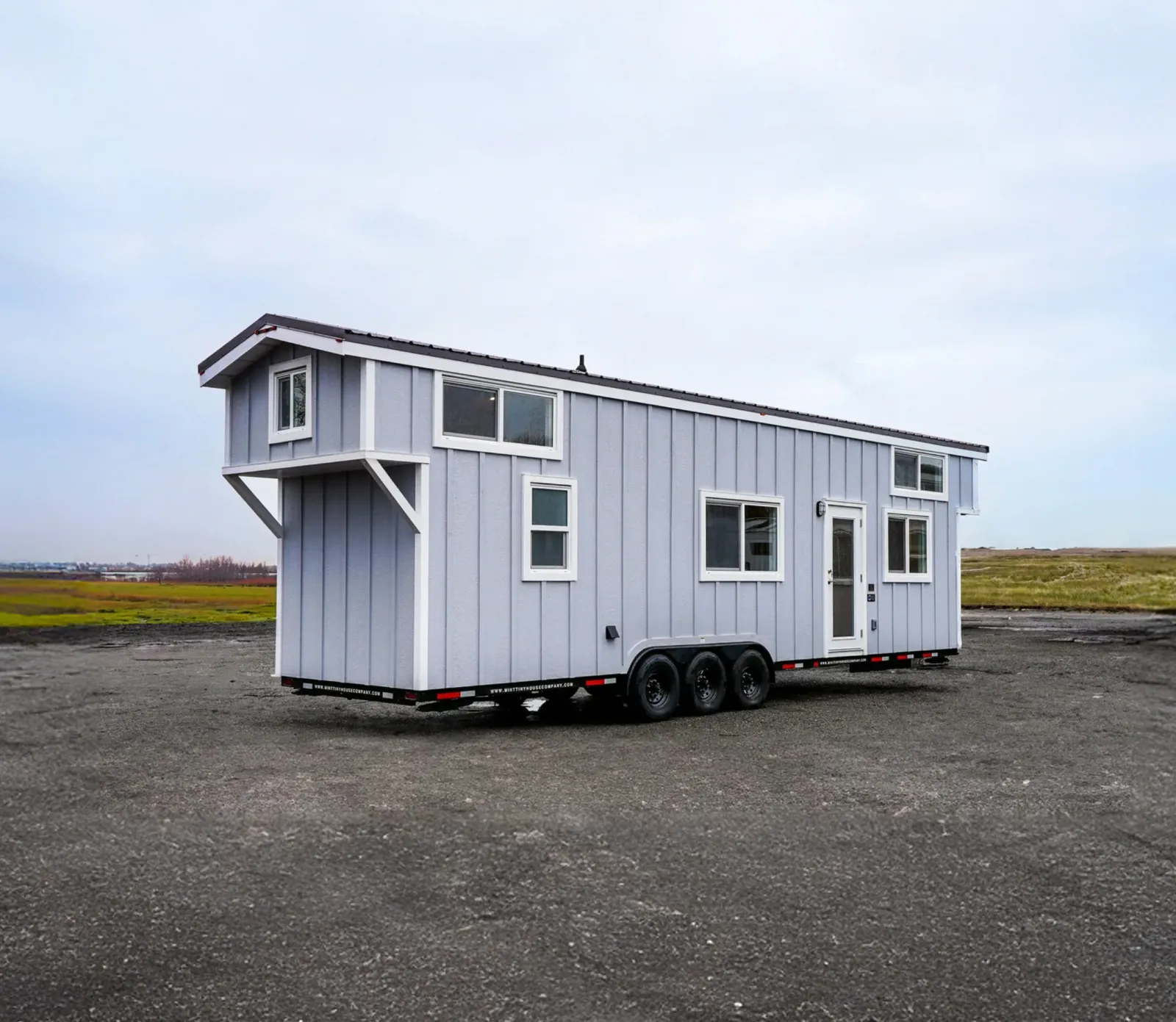
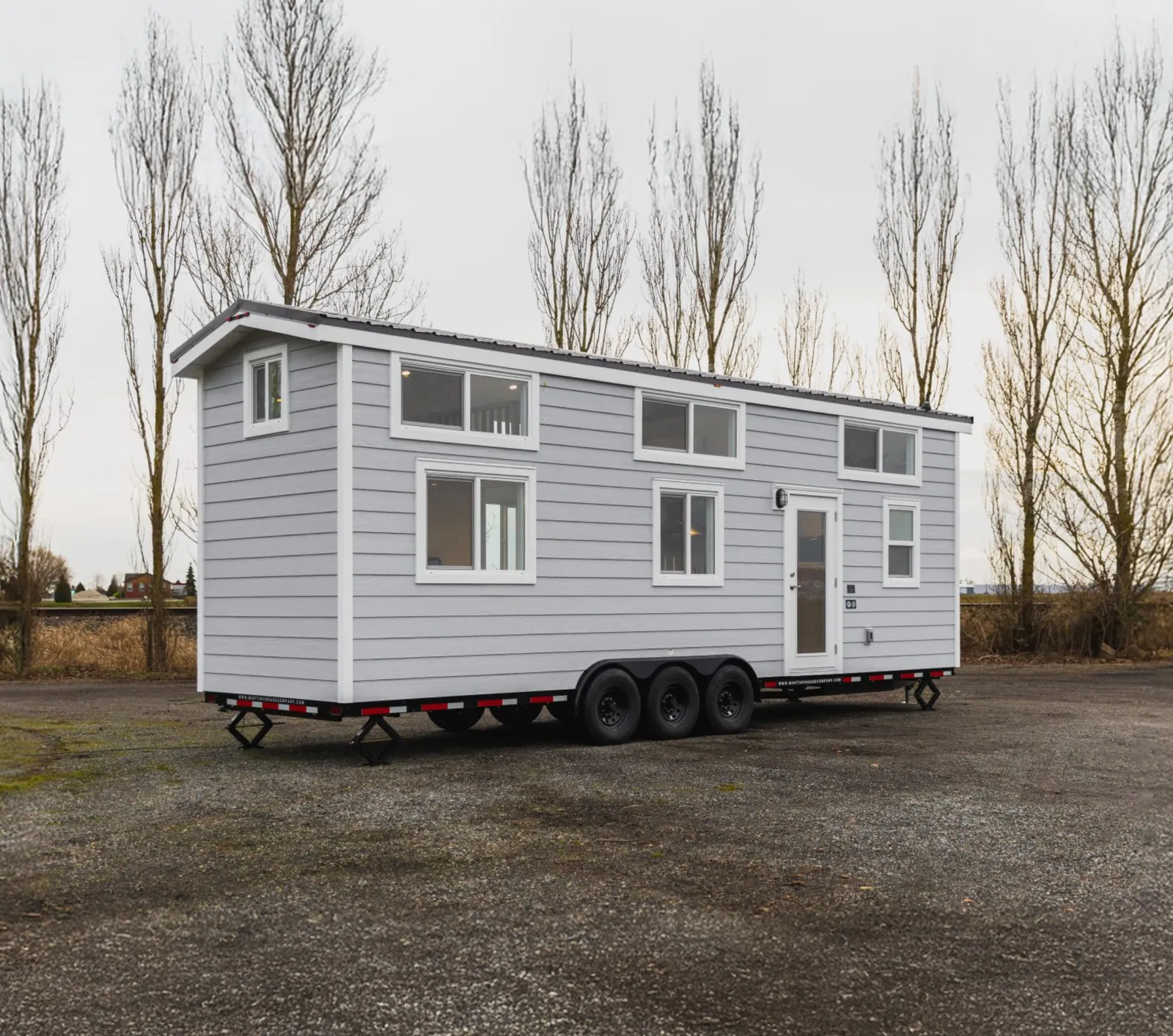
A tiny home on wheels (THOW) is a fully livable dwelling built on a trailer chassis, typically between 150 and 400 square feet. Unlike RVs, THOWs are designed as primary residences, with full kitchens, climate control, sleeping lofts, and residential-grade finishes, while retaining the mobility of a towable structure. Because they sit on wheels, they're classified as RVs or park model RVs in most jurisdictions, which has significant implications for zoning, financing, and long-term parking.
Tiny homes on wheels appeal to buyers who prioritize mobility, minimalism, and lower ongoing costs. Common profiles: remote workers who want to travel without sacrificing comfort, retirees looking to reduce housing expenses, young buyers priced out of traditional housing, and anyone building a secondary dwelling they may later relocate. They're not a great fit if you need permanent residence in a jurisdiction that restricts THOW parking or if you want traditional mortgage financing.
Most THOWs fall between $30,000 and $150,000, with the majority clustering around $60,000 to $100,000. Price drivers include length (often 20 to 30 feet), finish quality, off-grid capability, and builder reputation. DIY shells start around $20,000; fully finished turnkey units from established builders typically start at $65,000.
Start by deciding grid-tied versus off-grid, then filter tiny home builders by delivery region and price. If you already have land, verify local zoning allows THOWs before committing. Models vary significantly in loft height, storage, and insulation quality, so visit an in-person tour if possible, or compare available tiny home models side by side on specs.


.png)