Browse
Home Types
Homebuilders
Locations



We’ve received your message and one of our team members will get back to you shortly.

We’ve received your message and one of our team members will get back to you shortly.
Discover modern homes built from shipping containers. Compare prices, layouts, and finishes from leading manufacturers.


We’ve received your message and one of our team members will get back to you shortly.
We’ve received your message and one of our team members will get back to you shortly.
We’ve received your message and one of our team members will get back to you shortly.
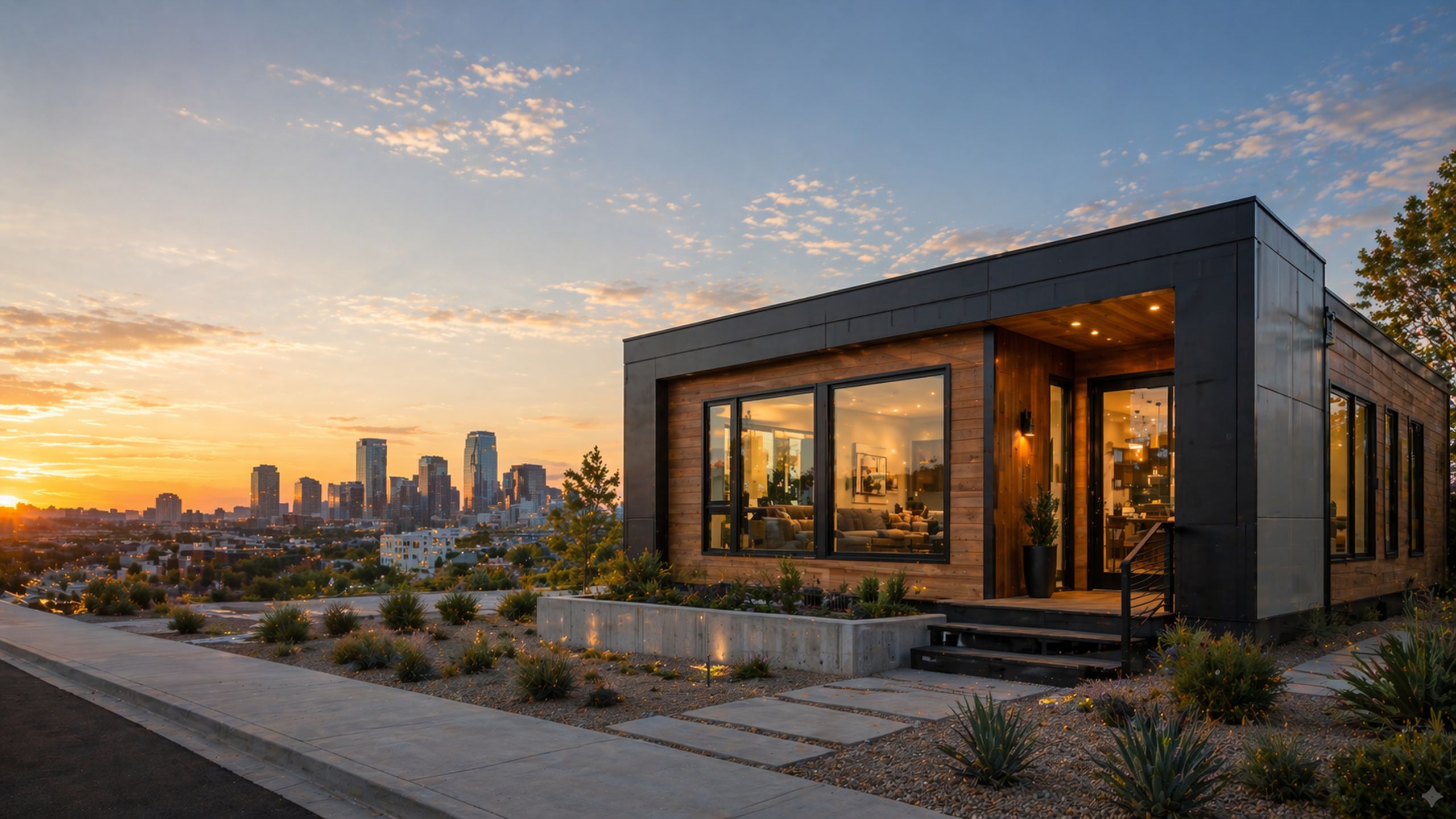
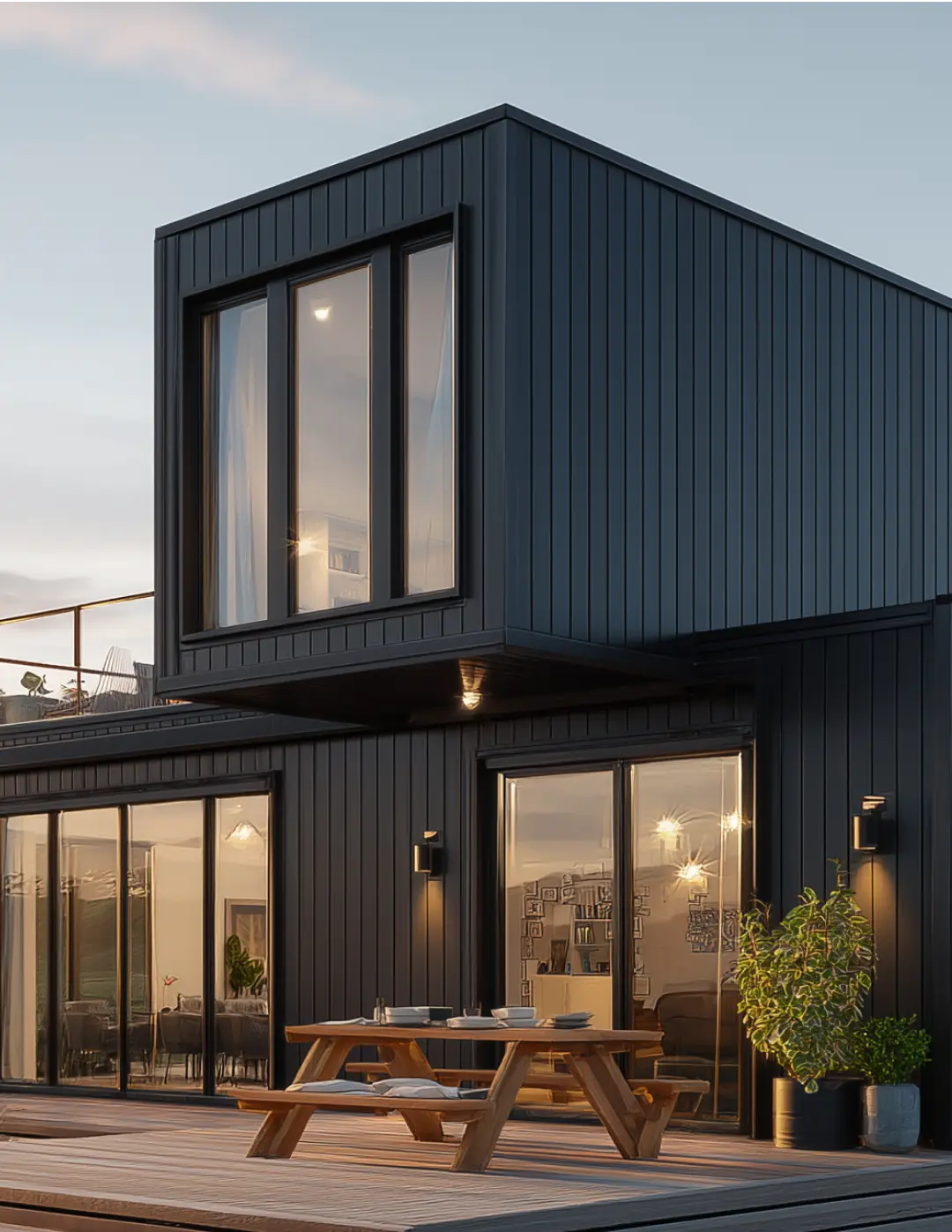
Container homes are residences built from steel shipping containers, either a single 20 or 40 foot unit or several joined together to create larger floor plans. The container supplies a structural steel frame that is already weather-tight and engineered to be stacked and moved, so builders skip much of the conventional framing stage. Finished units are insulated, wired, plumbed, and clad much like any other prefab home. Most arrive largely complete and are set on a prepared foundation, though some ship as shells for local finishing.
Container homes suit buyers drawn to industrial and modern architecture, and anyone building on land where a durable, low-maintenance steel shell matters more than traditional curb appeal. They work well as guest houses, studios, home offices, short-term rentals, and compact primary residences. Because a single container yields a long, narrow room, they favor buyers comfortable with open-plan and galley-style layouts. They are a weaker fit in humid, high-rainfall regions where corrosion management adds ongoing upkeep, and in jurisdictions that treat non-standard construction cautiously.
Container homes typically run $150 to $350 per square foot all in, with prefabricated models at the lower end and custom, architect-led builds at the top. A single-container home generally lands between $25,000 and $80,000, while multi-container homes commonly run $80,000 to $250,000 and higher for larger projects. The containers themselves are a small share of that total: a one-trip 20 foot unit runs roughly $2,000 to $4,500 delivered, and a 40 foot high cube roughly $3,000 to $8,200. Most of the budget goes into insulation, cutting and reinforcing openings, mechanical systems, interior finishes, foundation, and site work.
Start by deciding between a single-container footprint and a multi-container layout, because that choice sets both your budget band and your floor plan options. Then ask every builder three questions: what insulation system do they use, how do they handle thermal bridging and condensation, and what code or certification does the finished unit carry. Those answers separate serious manufacturers from container converters. Confirm your local building department will permit the structure before placing a deposit. You can browse the full ModelTown catalog to compare container builds against comparable modular and cabin options, or explore manufacturers to see who delivers to your region.


.png)