Homes
Popular Cities


Homes

We’ve received your message and one of our team members will get back to you shortly.


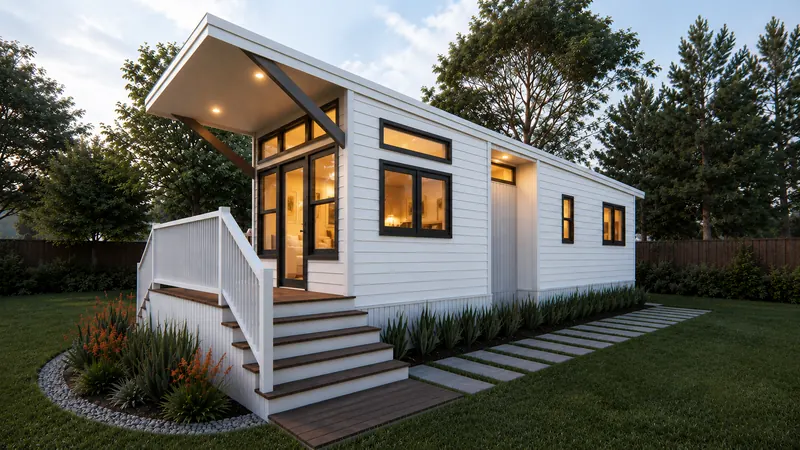
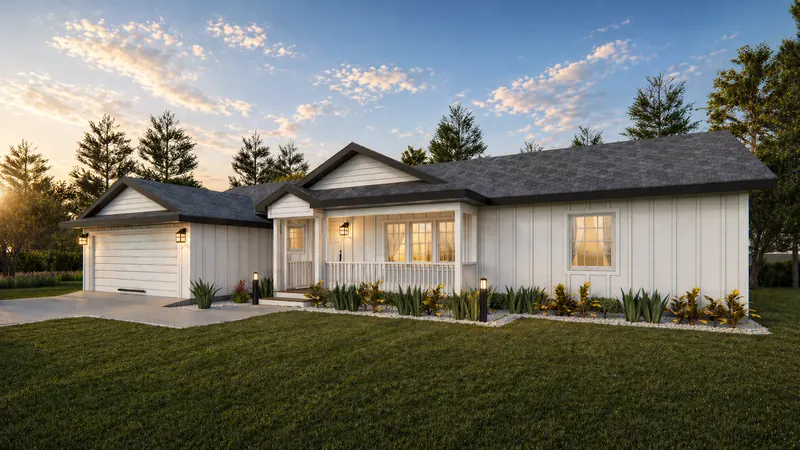
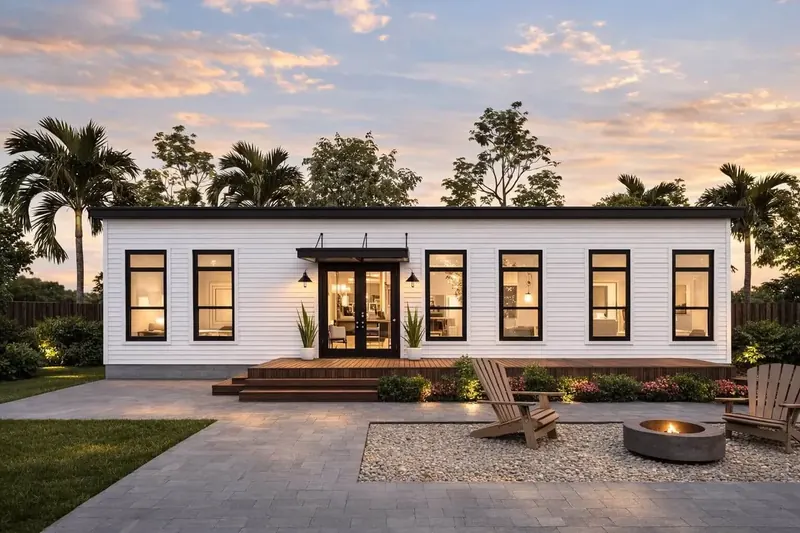
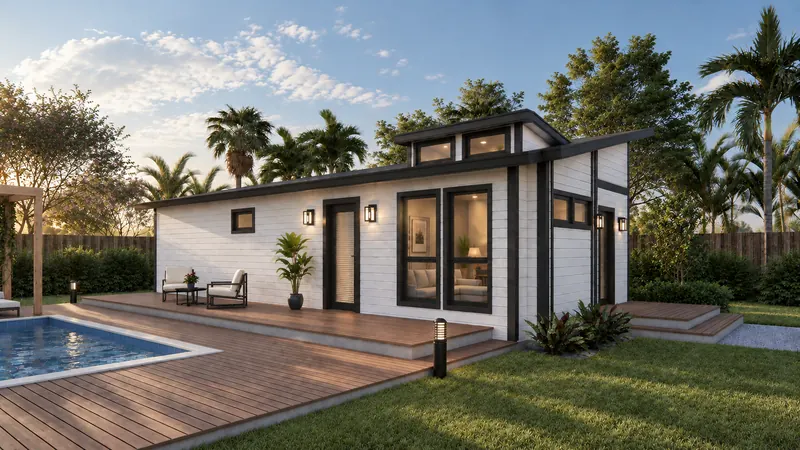
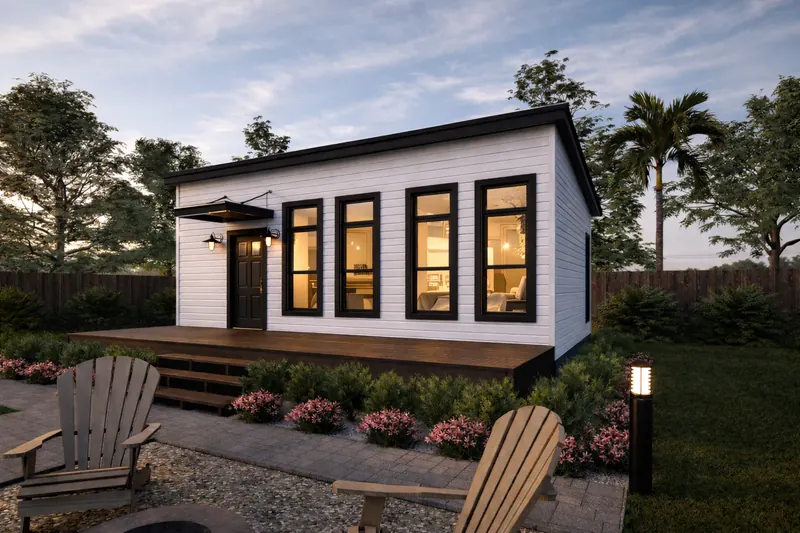
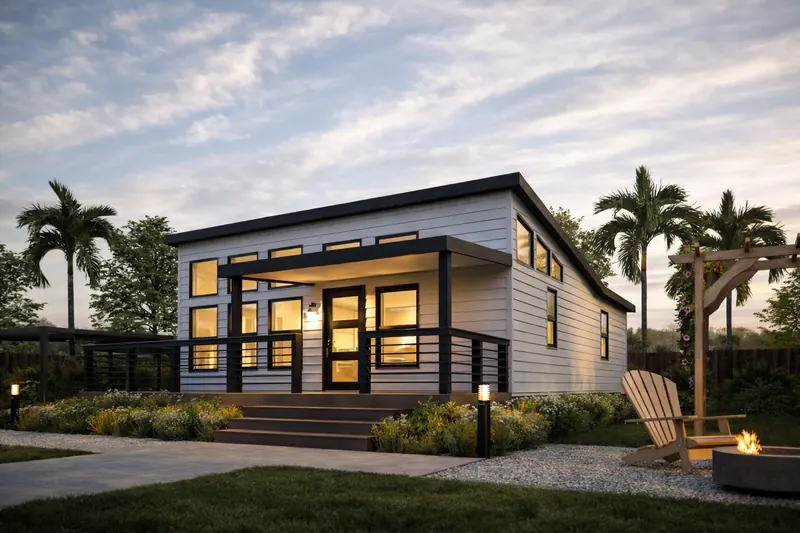
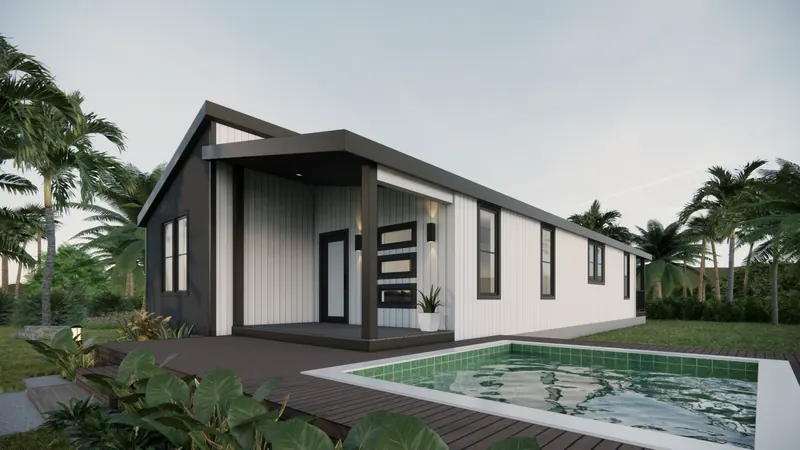
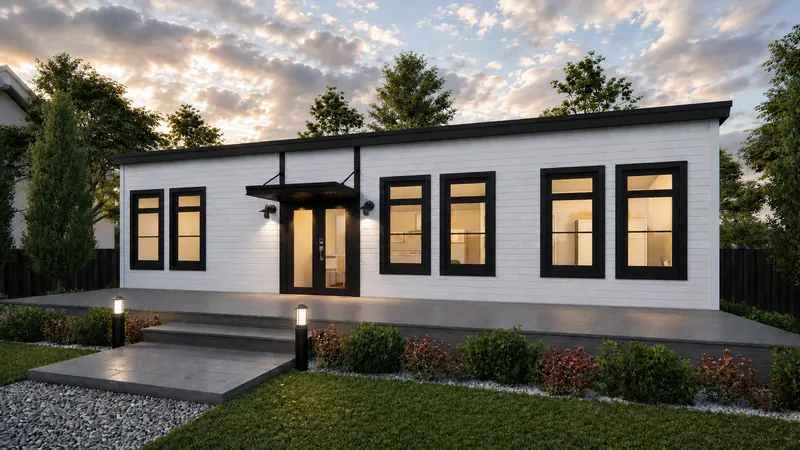
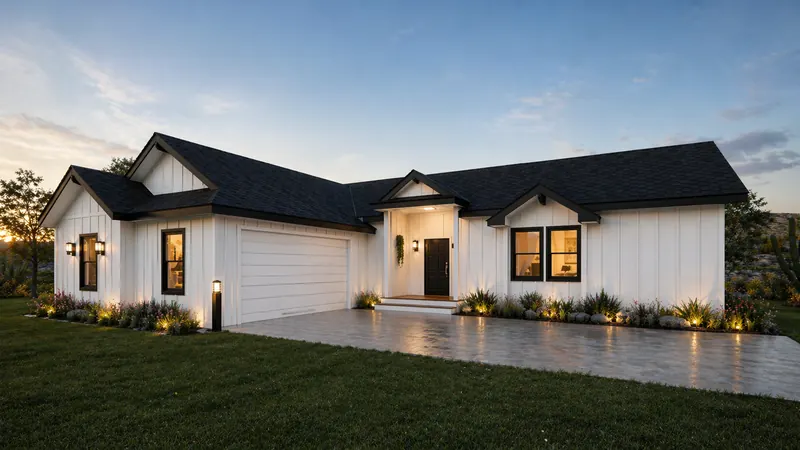
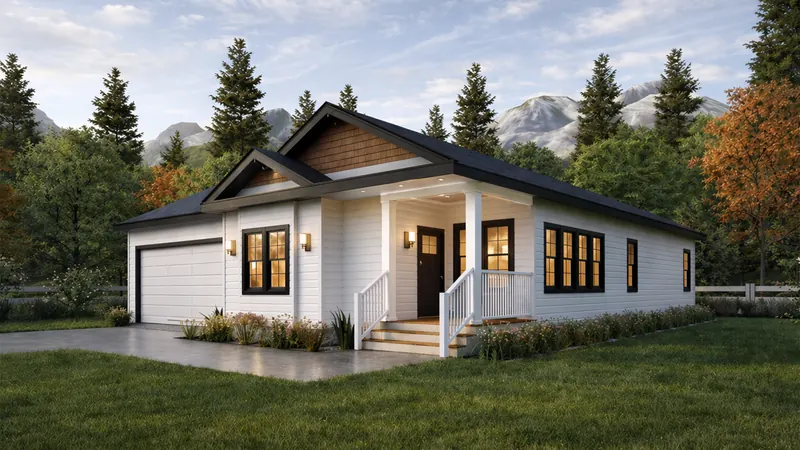
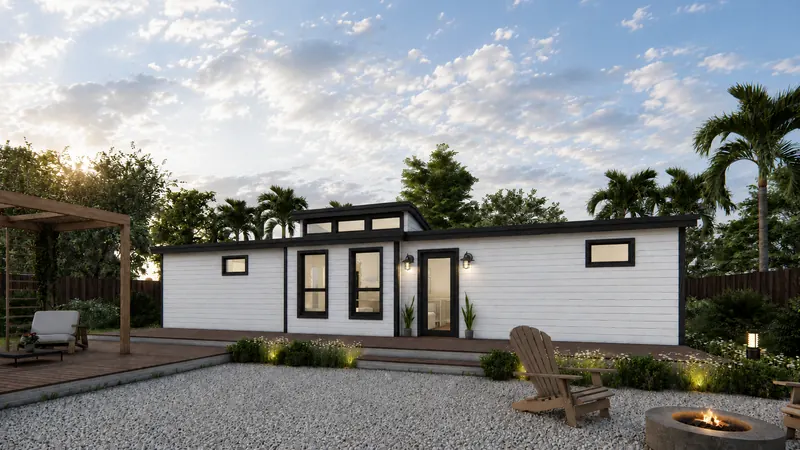
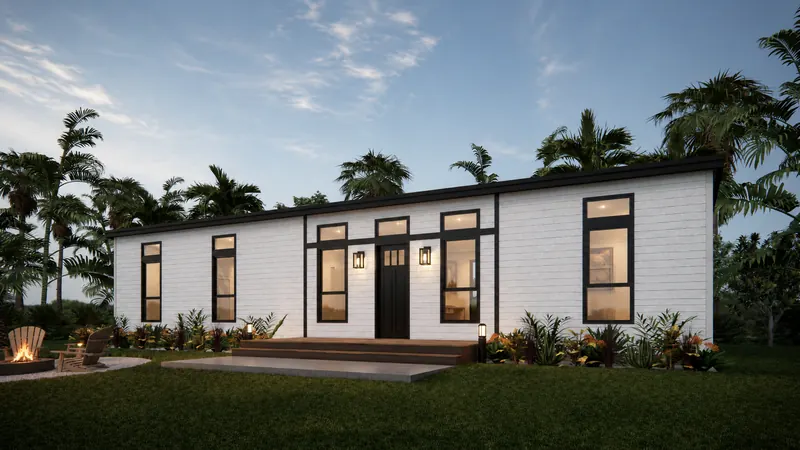
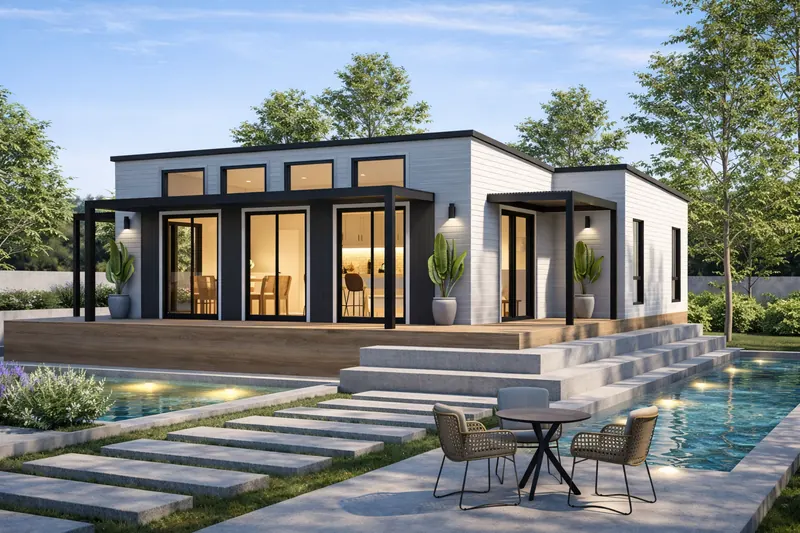
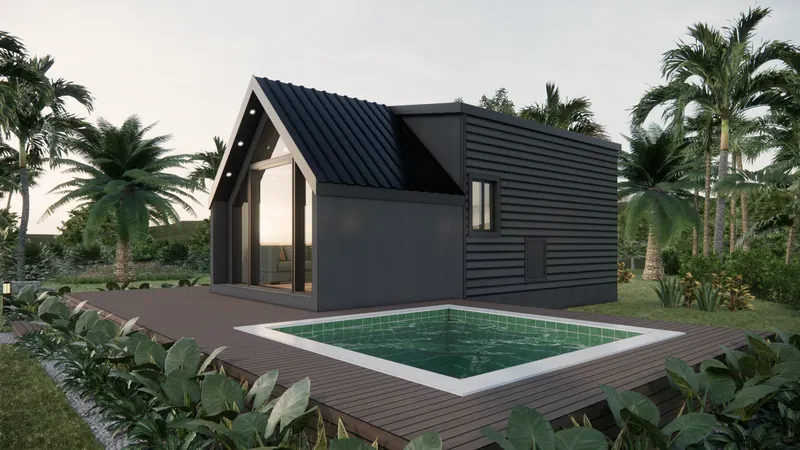
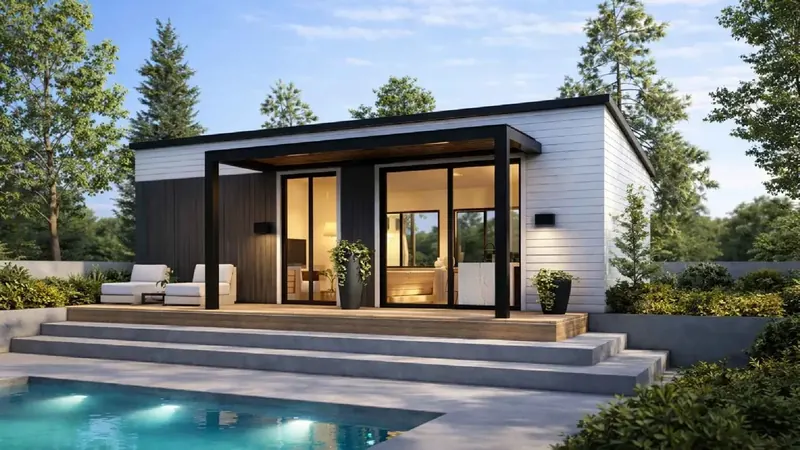
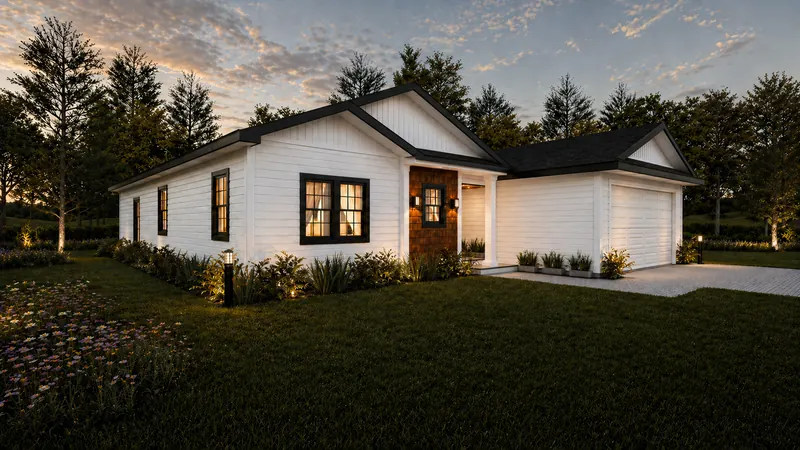
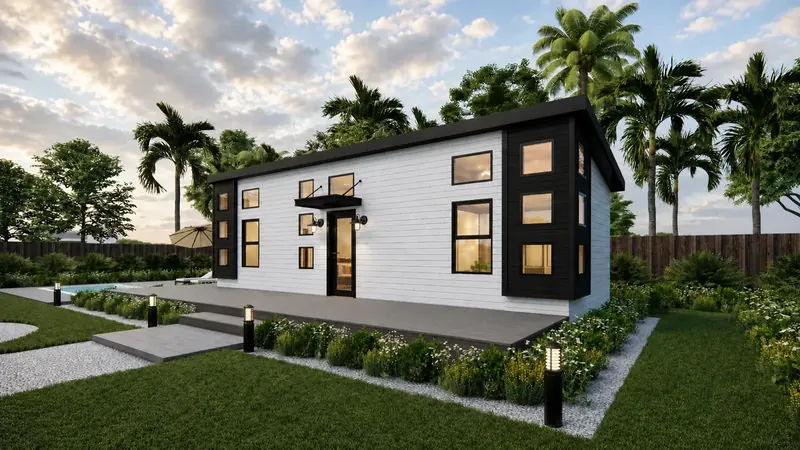
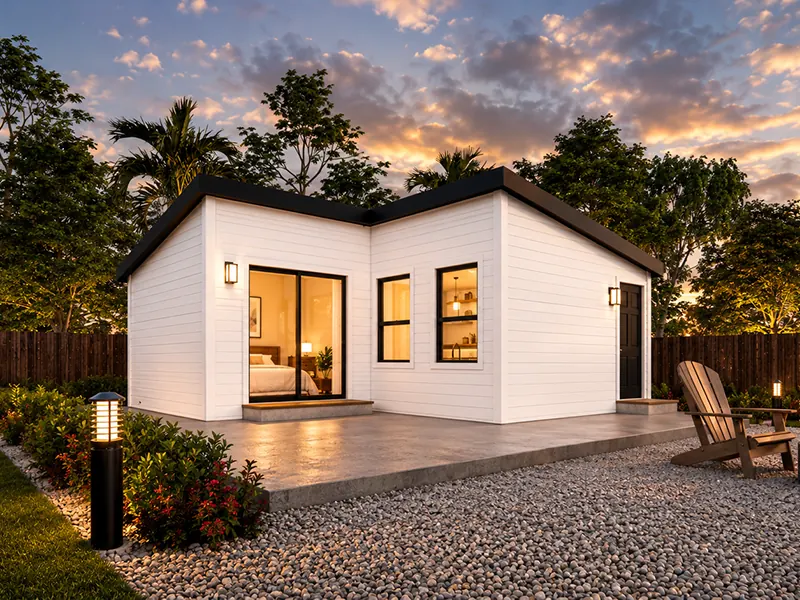
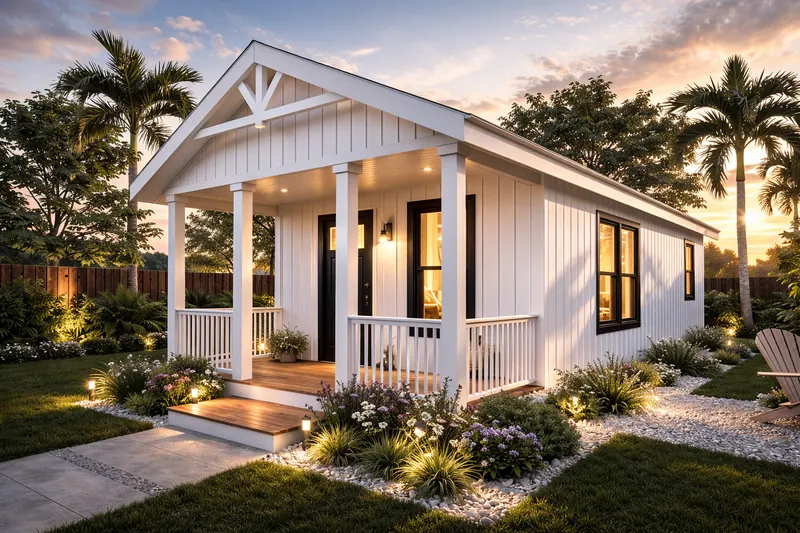
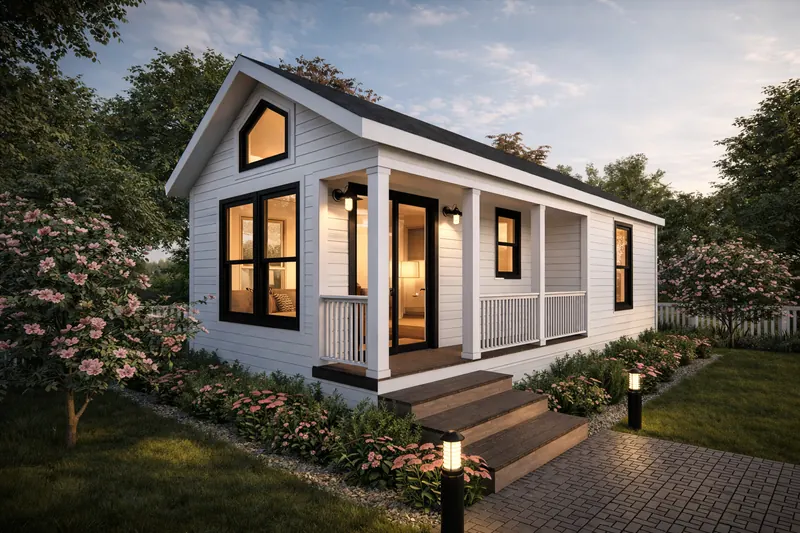
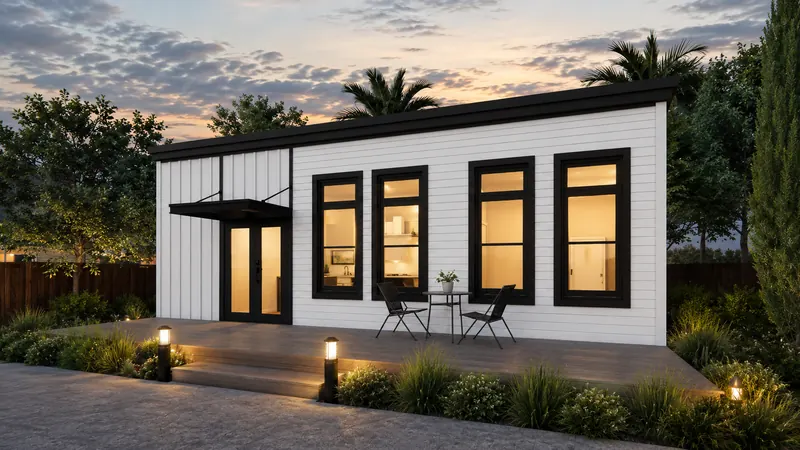
Browse HUD-code manufactured homes, from backyard ADUs to full-size family homes. Compare floor plans, sizes and pricing in one place.


A manufactured home is built in a factory to the HUD Code, the federal construction and safety standard run by the U.S. Department of Housing and Urban Development. It sits on a permanent steel chassis, travels to the site in one or more sections, and is then set up and connected on the lot. Each section carries a metal HUD label, and a data plate inside the home lists the factory, the label numbers and the roof load and wind zones the home was designed for.
The HUD Code has applied to homes built since June 15, 1976. Homes built before that date are usually called mobile homes, and the two terms are not interchangeable.
Both are built in a factory, and the finished homes can look alike. The difference is the code. A modular home is built to the state and local building code that applies to a site-built house and is inspected under a state program. A manufactured home is built to the single federal HUD Code, so one design can be sold in any state. For how the home itself is built, the HUD Code takes the place of local building codes. It does not decide where the home can go: zoning, setbacks and placement permits are still local decisions.
Manufactured homes cover a wide range, from compact one bedroom units to three and four bedroom family homes. They suit buyers who want a home that is designed, inspected and labeled at the factory, and who have a lot that can take a delivered home. In California, state ADU law counts a manufactured home as an accessory dwelling unit, which is why many backyard ADUs sold there are built to the HUD Code.
The listed price usually covers the home. Delivery, setup, the foundation or support system, utility connections, permits and site work are often priced separately, and together they can be a large share of the total. Ask each seller what their price includes, and get the site costs in writing before you compare two homes.
Start with the size and layout you need, then compare floor plans side by side. Check what the price includes, which roof load and wind zones the home is built for, and whether it can be delivered to your site. If you are weighing factory-built options, compare these homes with modular homes and ADU and backyard homes, and browse manufacturers to see who builds what.