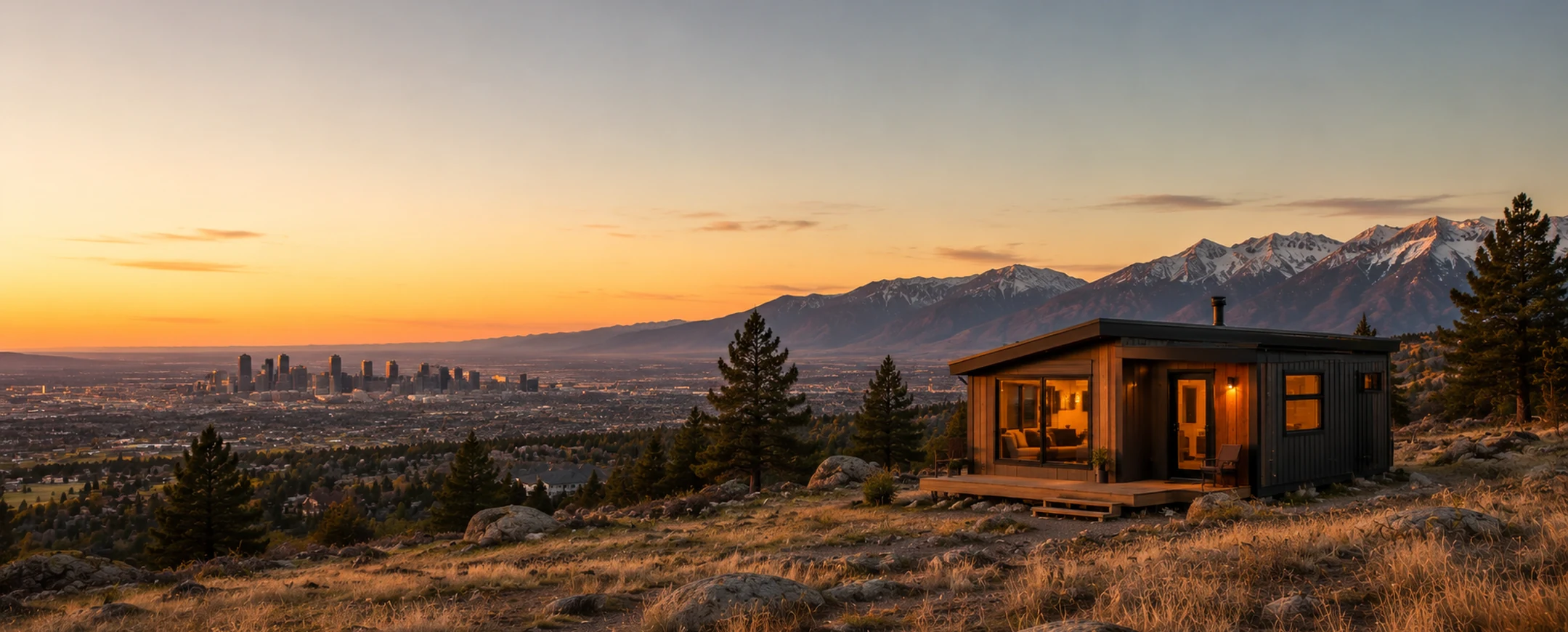
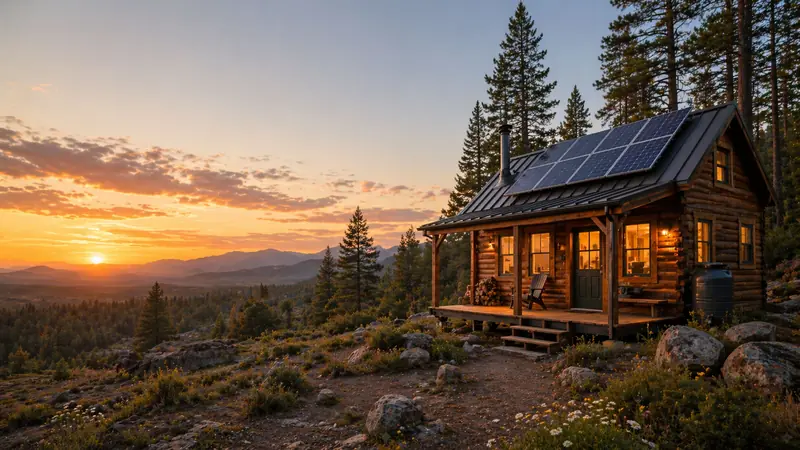
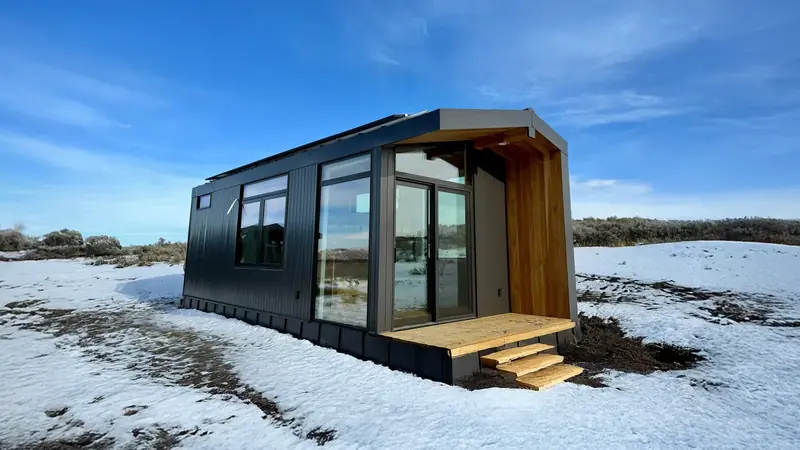
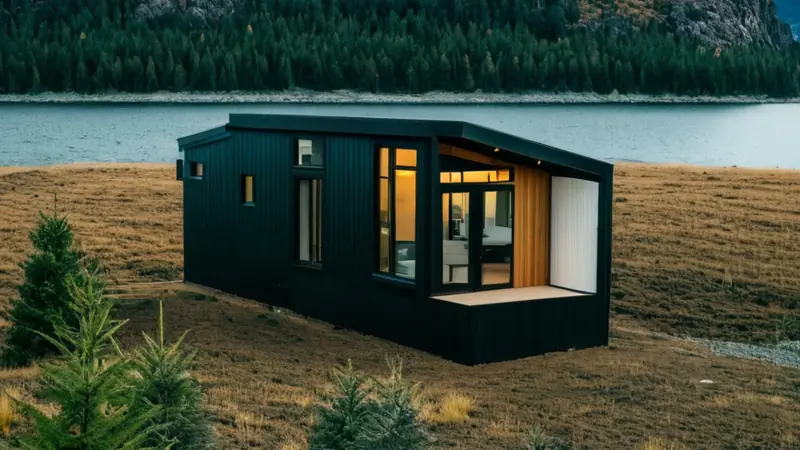
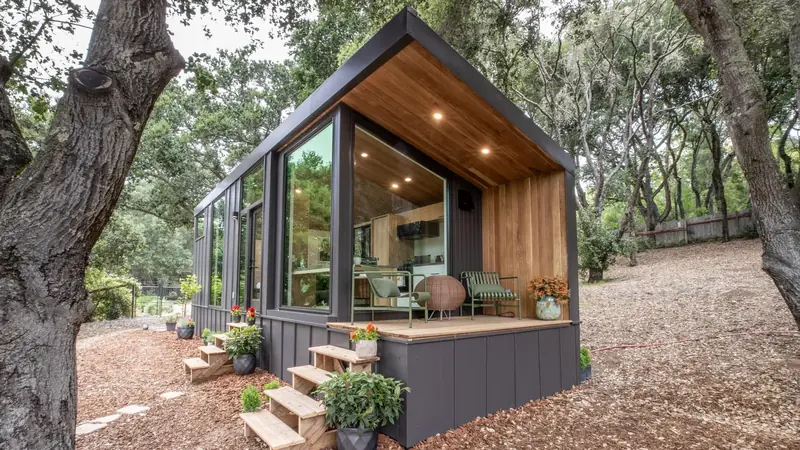
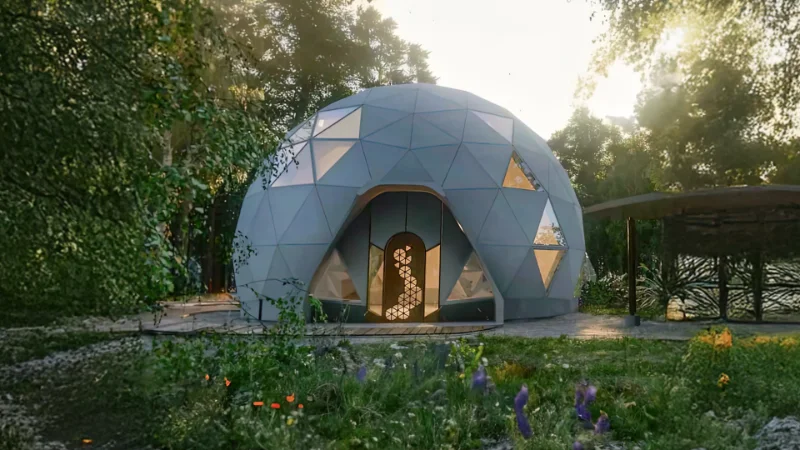
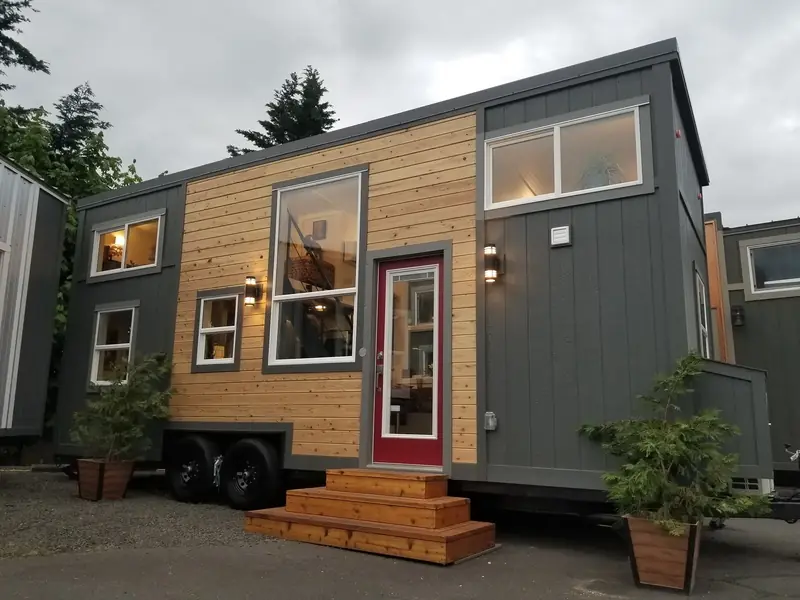
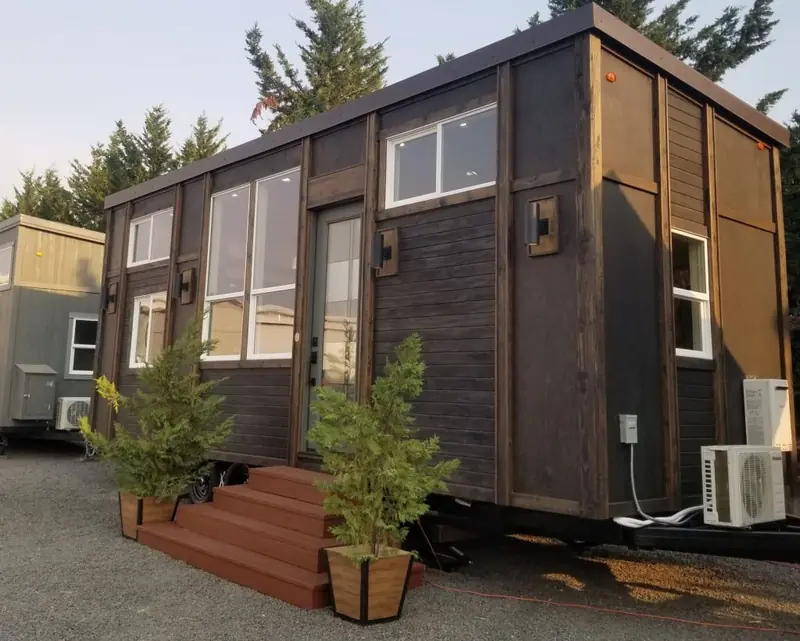
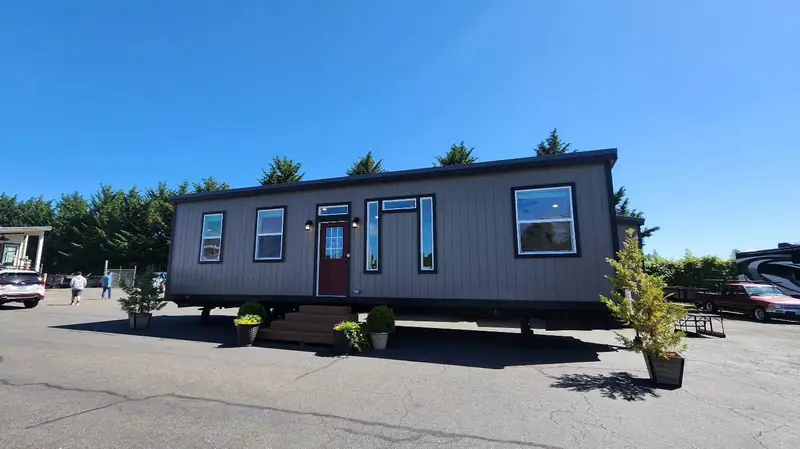
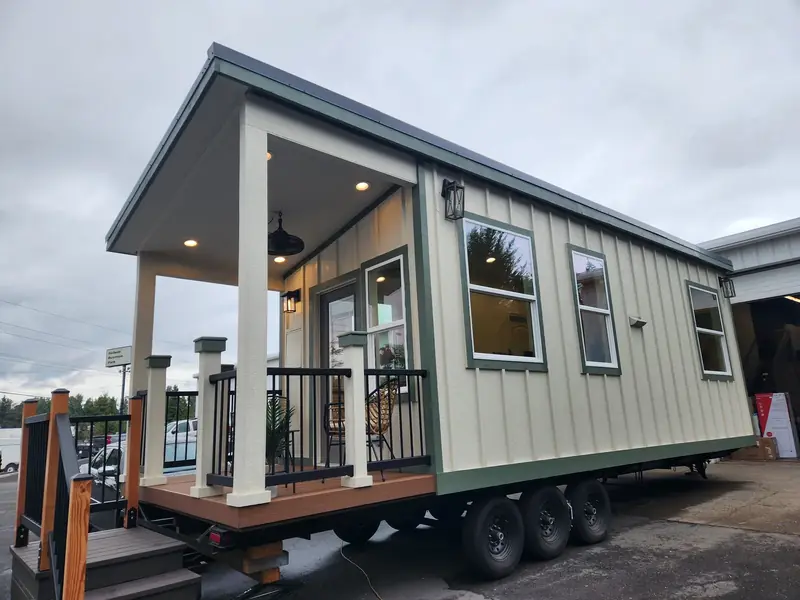
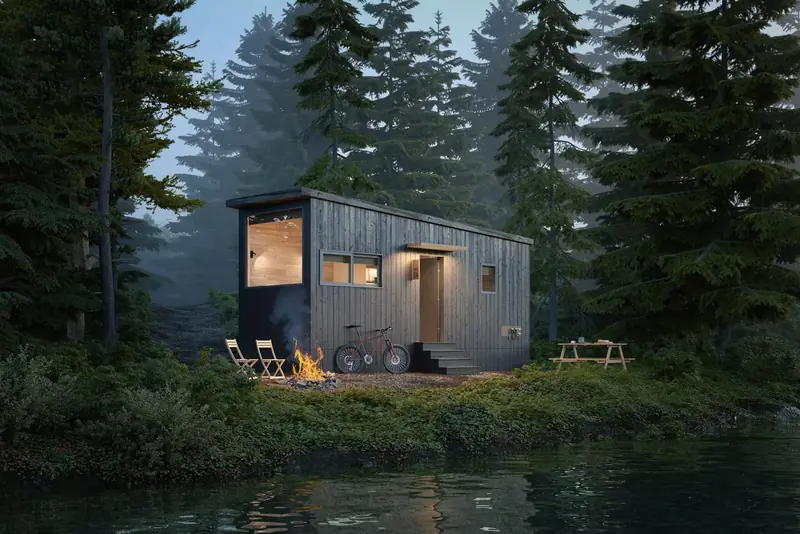
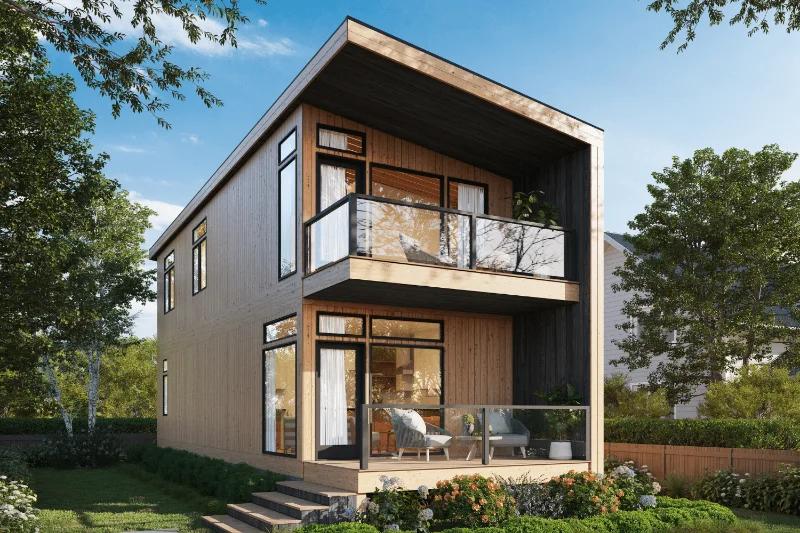
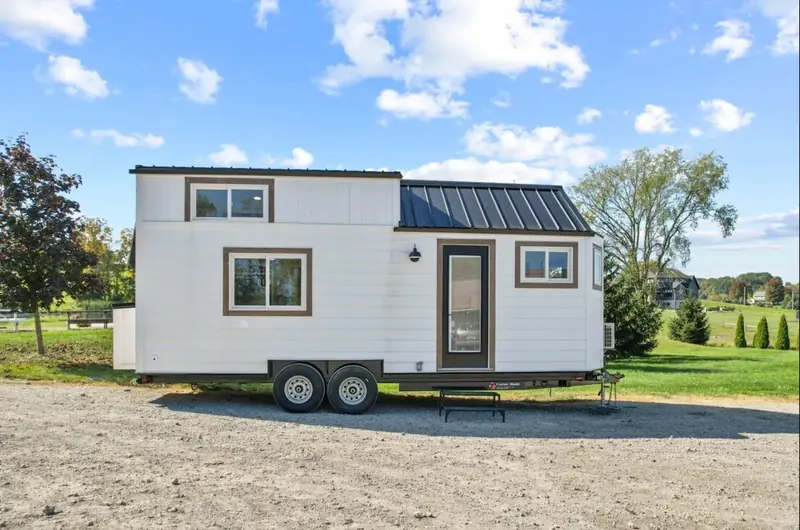
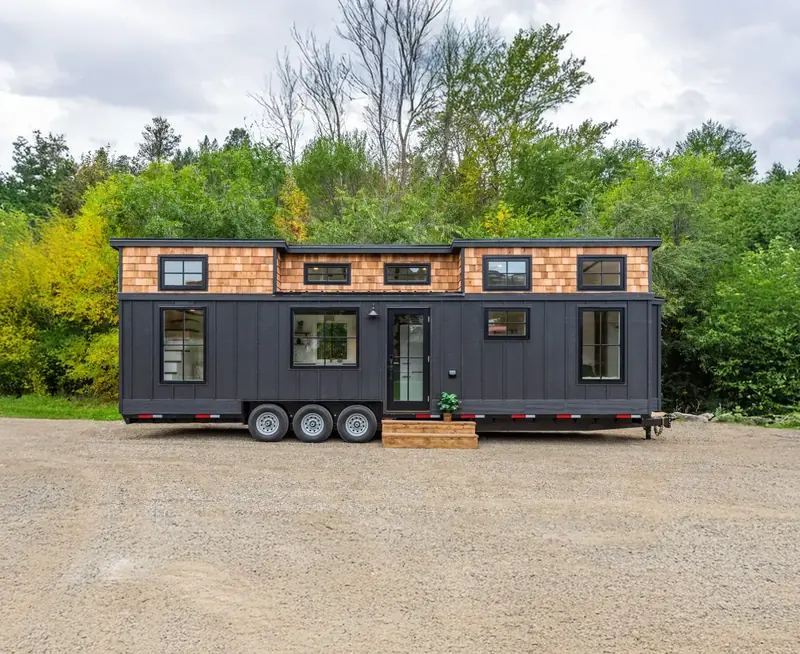
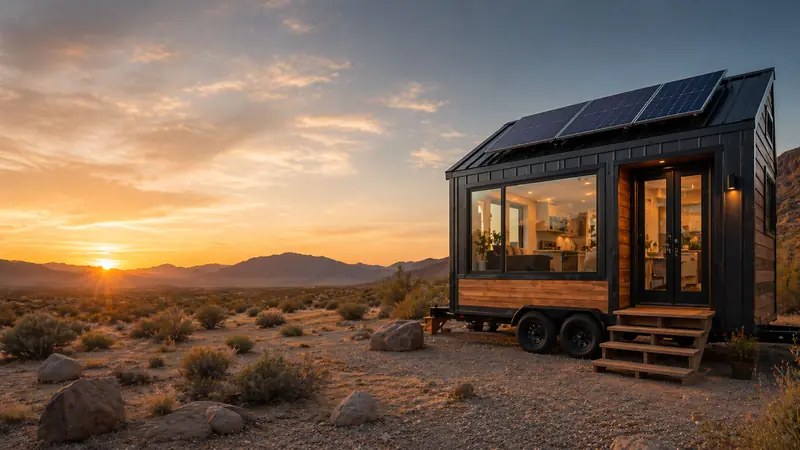
Modern cabin at sunset overlooking the Denver skyline and the snow-capped Front Range
Home
/
Denver

Tiny & modular homes for sale in Denver, CO

Explore prefab, modular, and tiny homes deliverable to Denver, CO. Compare floorplans, pricing, and availability from top builders and manufacturers.

Local approvals by home type

Home-type guidance—not approval for a particular model or property.

See requirements & official sources

Site conditions to check

  • Snow load
  • High wind
  • Flood

Requirements vary by property.

Find a home for your Denver project

Compare models and plans. Delivery coverage does not establish approval for a particular property.

Showing 1–12 of 0 homes & plans

Filters
Price & Availability

Base Price

Availability

Size & Layout

Bedrooms

Bathrooms

Square Feet

Features

Additional Spaces

Kitchen Type

Appliances

Thank you! Your submission has been received!
Oops! Something went wrong while submitting the form.
Built-to-Order
none
28
2
Compact
Built-to-Order
Full Kitchen
44.5
6
Compact
Built-to-Order
Full Kitchen
31
13.5
4
Compact
Built-to-Order
Full Kitchen
8
Full Size
Built-to-Order
Full Kitchen
28
13.5
8
Full Size
Built-to-Order
Full Kitchen
28
14.3
6
Full Size
Full Kitchen
40
14
4
Mixer
Built-to-Order
Kitchenette
26
14
4
Mixer
Built-to-Order
Kitchenette
24
2
Compact
Built-to-Order
Full Kitchen
52
8
Full Size
Built-to-Order
Full Kitchen
24
14000
13.5
4
Compact
Built-to-Order
Full Kitchen
38
6
Compact

No homes or plans match these filters.

Try removing a filter or clearing your selections.

Clear all filters
Back to model results

Before you choose a home

Local approvals in Denver

Modular home

Allowed with permit

Hide requirements
Standard
Factory-Built Residential (DOH Silver)
Placement
Residential lot; Denver CPD building + zoning permits
Restriction
DOH approves the unit; Denver permits the foundation and site work

Manufactured home

Allowed with permit

Hide requirements
Standard
HUD label + DOH Copper install insignia
Placement
Residential lot; Denver CPD building + zoning permits
Restriction
DOH installation insignia required before certificate of occupancy

Tiny home on a foundation

Allowed with permit

Hide requirements
Standard
IRC App. BB tiny house or DOH Silver
Placement
Primary home or ADU on a residential lot
Restriction
ADU only where the zone permits ADUs; DZC 11.8.2 size caps apply

Tiny home on wheels

Depends on zone or use

Hide requirements
Standard
DOH Tiny Home (Pink) insignia
Placement
DOH-certified unit on a Denver-permitted foundation
Restriction
RVs and trailers may not be used as ADUs (DZC 11.8.2.1.B.1)

Park model

Not allowed as a dwelling

Hide requirements
Standard
Park Model RV (ANSI A119.5)
Placement
Not a dwelling unit on Denver residential lots
Restriction
RVs can't be ADUs; HUD says park models aren't for permanent occupancy

ModelTown does not replace local permitting, so always confirm current rules with City and County of Denver Community Planning and Development before you buy or place a home.

Last checked October 25, 2026

Questions about your Denver home search?

Contact us with the city and home type you’re considering.

Plan the whole project

Look beyond the home price

Ask the builder which costs are included in your quote and which need to be budgeted separately.

The home

Confirm the model, finish level and selected options.

Delivery & setup

Ask about transport, site access and installation.

Your site

Check foundation, preparation and utility connection requirements.

Permits & fees

Confirm requirements and fees with the local permit office.

Ready to take the next step?

Choose a model and select Get Pricing for a model-specific inquiry, or contact us about your search.

Before your next step

Questions about your project

Who approves factory-built and tiny homes sold in Colorado?

In Colorado, factory-built homes, including modular homes and tiny homes, are approved by the state rather than by your city. The Colorado Division of Housing (DOH), part of the Department of Local Affairs:

  • Reviews and approves each design before the home is built
  • Inspects construction at the factory, directly or through DOH-approved inspection agencies, against Colorado's adopted building codes
  • Requires each approved home to display a Division of Housing insignia of approval

Because the state covers the factory work, your city or county handles only the on-site work, such as zoning, the foundation, utility connections and setbacks. Local governments cannot re-review or re-approve the factory construction.

State-approved tiny homes are built on a permanent chassis and are approved for long-term living, like modular homes. That makes them different from RVs and park model RVs, which are not approved for permanent occupancy.

Before you buy, ask the builder to confirm the home will carry a Colorado DOH insignia. You can also check with the Division of Housing at doh.colorado.gov/tiny-homes or 303-864-7810.

Which tiny homes for sale in Denver work for year-round living?

For Colorado winters, look for homes built for four-season use:

  • A roof rated for local snow loads
  • Insulated floors, walls and roof, with enclosed or heated water lines
  • A cold-climate heat pump or a backup heat source

In Denver, tiny homes on wheels are usually regulated as RVs, so they generally can't be a permanent home on a residential lot. For full-time living, look at modular homes and ADUs on a permanent foundation, which can qualify as a dwelling under Colorado's ADU law.

Are there small home plans that work in Denver?

Yes. If you want to build with a local contractor, ModelTown lists digital home plans from about $199, for compact homes of roughly 300 to 1,050 sq ft, including ADU-sized designs. In Denver, plans need to meet the city's building code, Colorado snow loads and frost-depth foundations, so have a local builder or engineer review them before you permit.

If you would rather have a fixed price and a faster timeline, compare them with factory-built modular homes, which arrive mostly complete.

Where can I see tiny homes for sale near Denver?

ModelTown lists tiny, prefab and modular homes that can be delivered to Denver and the Front Range, with price, square footage and floor plans on every listing. Prices start around $25,000 for a tiny home on wheels and about $105,000 for a modular home.

To see homes in person, ModelTown is planning a model home show lot in Fort Collins, about an hour north of Denver, where you will be able to walk through homes from several builders in one visit. In the meantime, request info on any home and the builder can share nearby models, photos and a delivery quote to your Denver-area address.

Can you legally put a tiny home in Denver, CO?

It depends on how the home is built and where you plan to place it.

  • Within Denver city limits, tiny homes typically must meet the International Residential Code (IRC), so tiny homes on wheels are rarely allowed as primary residences
  • ADUs are now broadly permitted across Denver, but they generally need to be built on a permanent foundation
  • Adams, Arapahoe, Park, and Elbert counties are often more flexible for THOW and tiny modular placements
  • Cold-climate planning matters: snow load, insulation, and frost protection are meaningful in Colorado

ModelTown helps you compare homes that realistically fit Denver-area placement scenarios, whether you're targeting an ADU, rural land, or a mountain site.

Are ADUs allowed in Denver, and what are the requirements?

Yes. Denver recently expanded ADU permissions to allow accessory dwelling units in most residential zone districts citywide. Key considerations include:

  • Zoning district (E-SU, E-TU, U-SU, etc.) and lot size
  • Maximum ADU size, often capped relative to the primary home
  • Setbacks, height limits, and parking requirements
  • Historic district overlays, which can add design review
  • Utility connections, separate meters may or may not be required

Many prefab and modular homes on ModelTown are sized specifically for backyard ADU use in Denver, but always confirm your specific lot and zoning before ordering.

How much does it cost to place a prefab or modular home in Denver?

The home price is only part of the total project cost. In the Denver metro, you should plan for:

  • Home price: roughly $90K to $350K+ depending on size, finish, and delivery distance
  • Frost-depth foundations and Colorado snow-load engineering
  • Site work including grading, driveway access, and in mountain lots, retaining walls or rock work
  • Utility hookups, substantial in rural or mountain areas where wells and septic are common
  • Permitting through your specific city or county jurisdiction

In many Front Range projects, combined land, site, and utility costs exceed the price of the home itself. ModelTown can help you understand the full picture before committing.

Can I put a prefab home on land outside of Denver?

Yes, and for many buyers this is the most practical path. Outside Denver city limits, rules vary by county, but options often include:

  • Elbert and Park Counties for rural acreage with flexible zoning
  • Douglas County for commutable land closer to the metro
  • Weld County to the north for affordable lots and faster permitting
  • Clear Creek, Gilpin, and Park Counties for mountain and off-grid setups

Factory-built modular homes across Colorado are regulated through the Colorado Department of Local Affairs (DOLA) Factory-Built Structures Program, while local counties control placement, setbacks, and utility connections.

Do prefab and modular homes hold value in the Denver market?

Yes, in most cases, especially when placed on owned land along the Front Range.

  • Modular homes on permanent foundations are appraised the same way as site-built homes in Jefferson, Arapahoe, Adams, and Douglas counties
  • Denver's persistent housing shortage and in-migration continue to support long-term value growth
  • Mountain-adjacent communities like Evergreen, Morrison, and Conifer often see a land premium that lifts total property value regardless of home type

Tiny homes on wheels are usually treated as RVs for titling and financing, and they tend to depreciate more like vehicles than real estate.
Return to models
0 of 2 selected
Select 2 homesClear all