Browse
Home Types
Homebuilders
Locations



Browse
.png)
Home Types
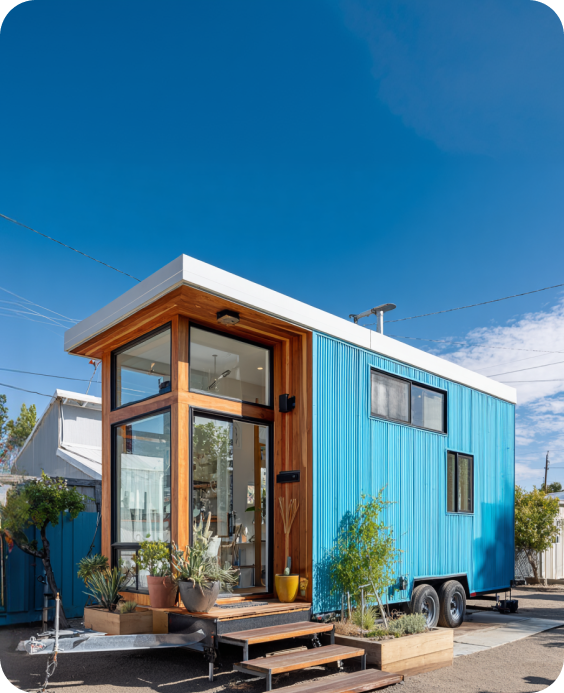
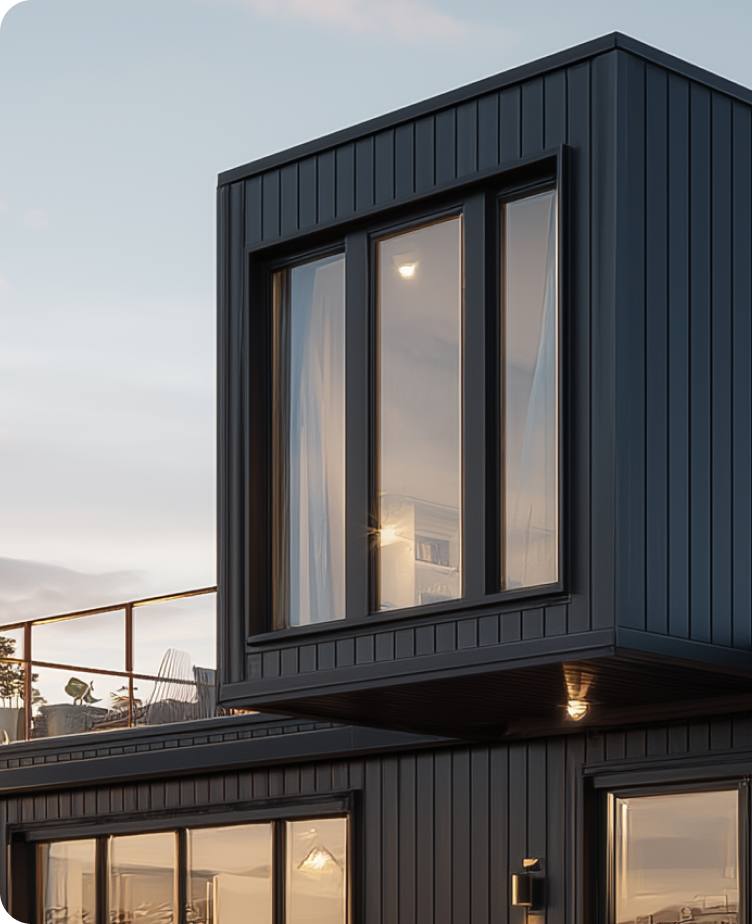
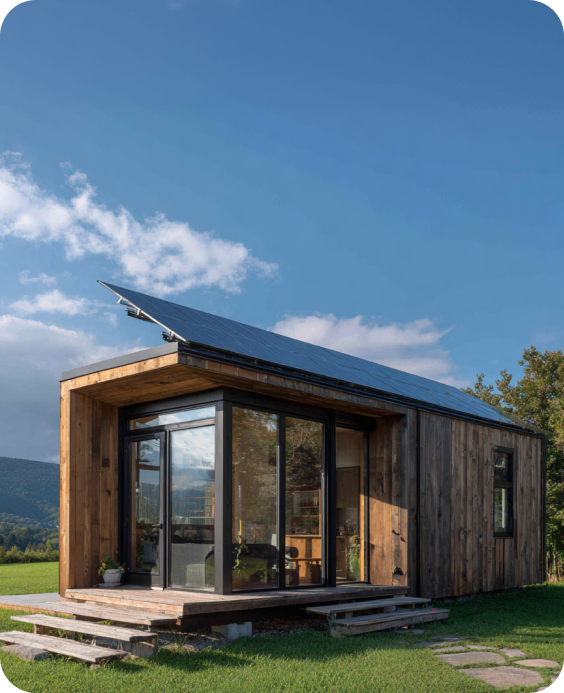
Homebuilders





Locations

We’ve received your message and one of our team members will get back to you shortly.


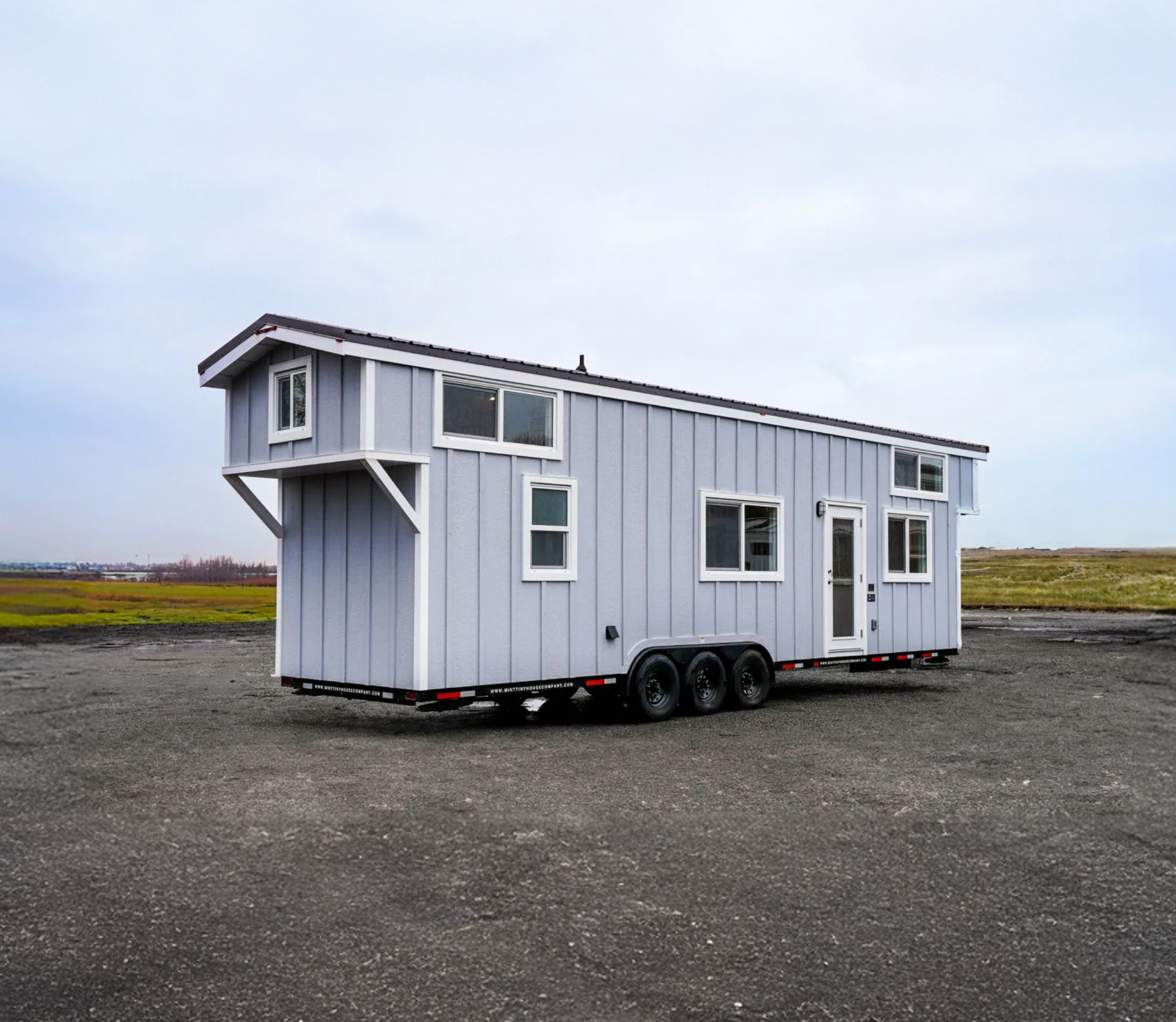
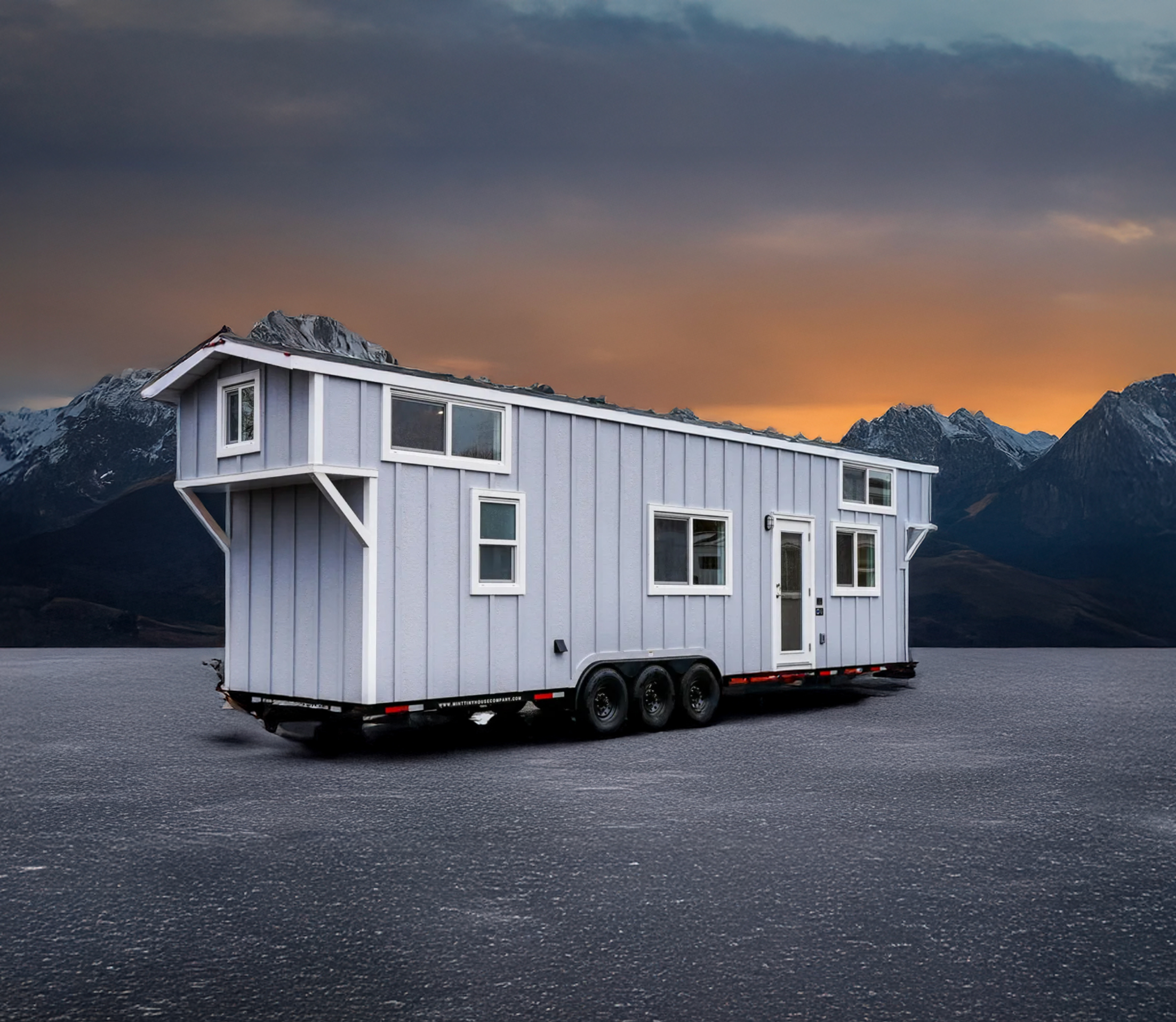
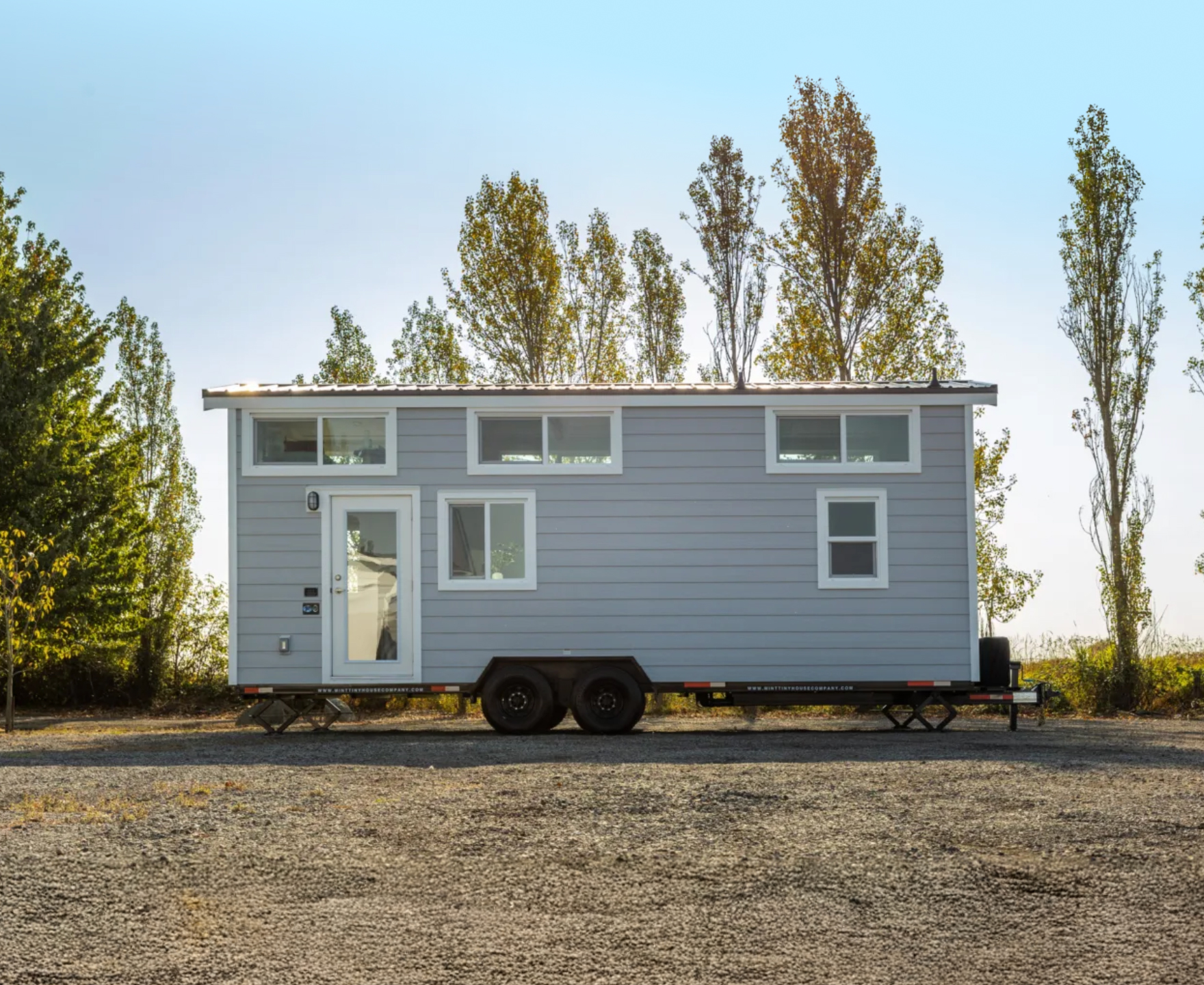
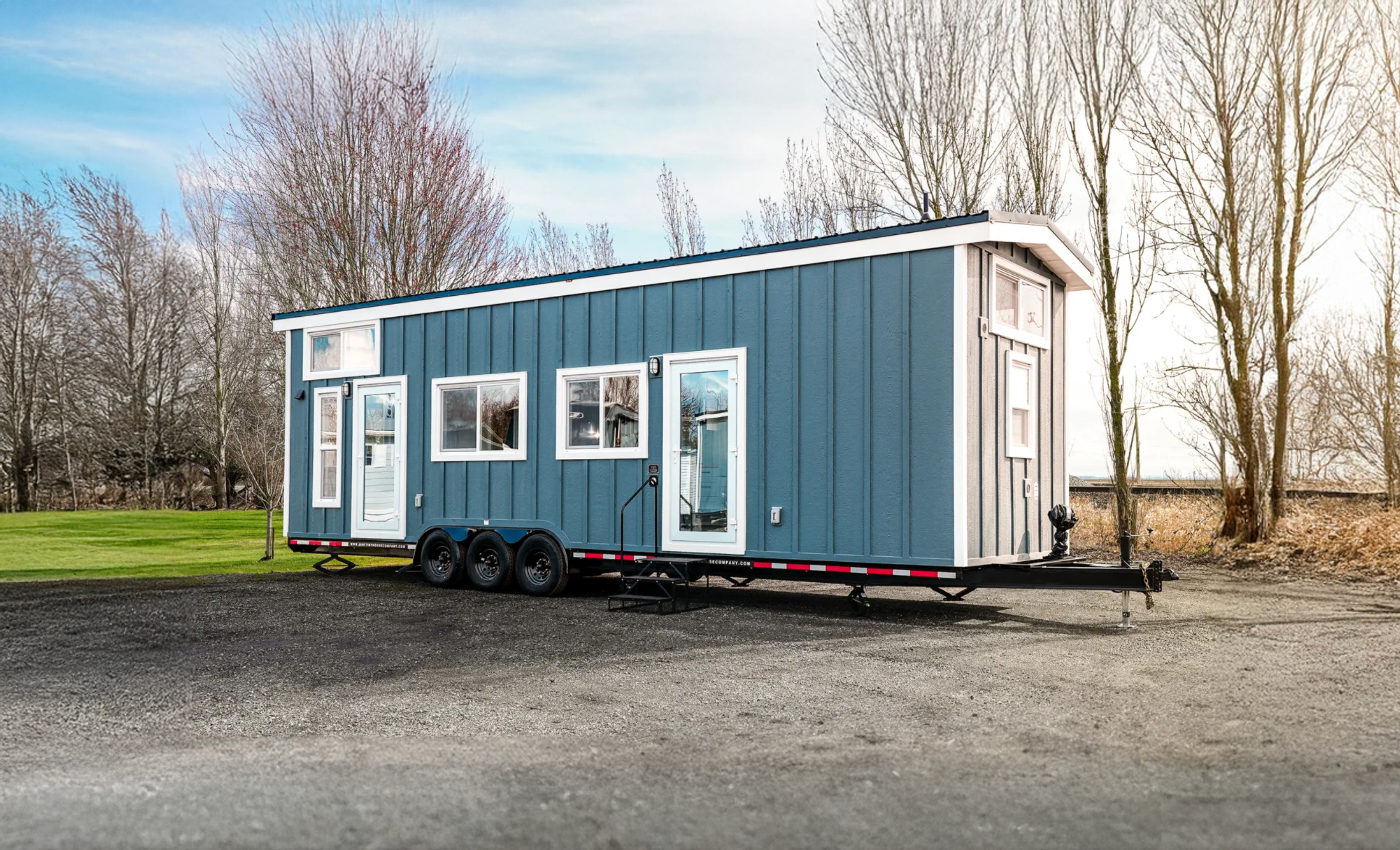
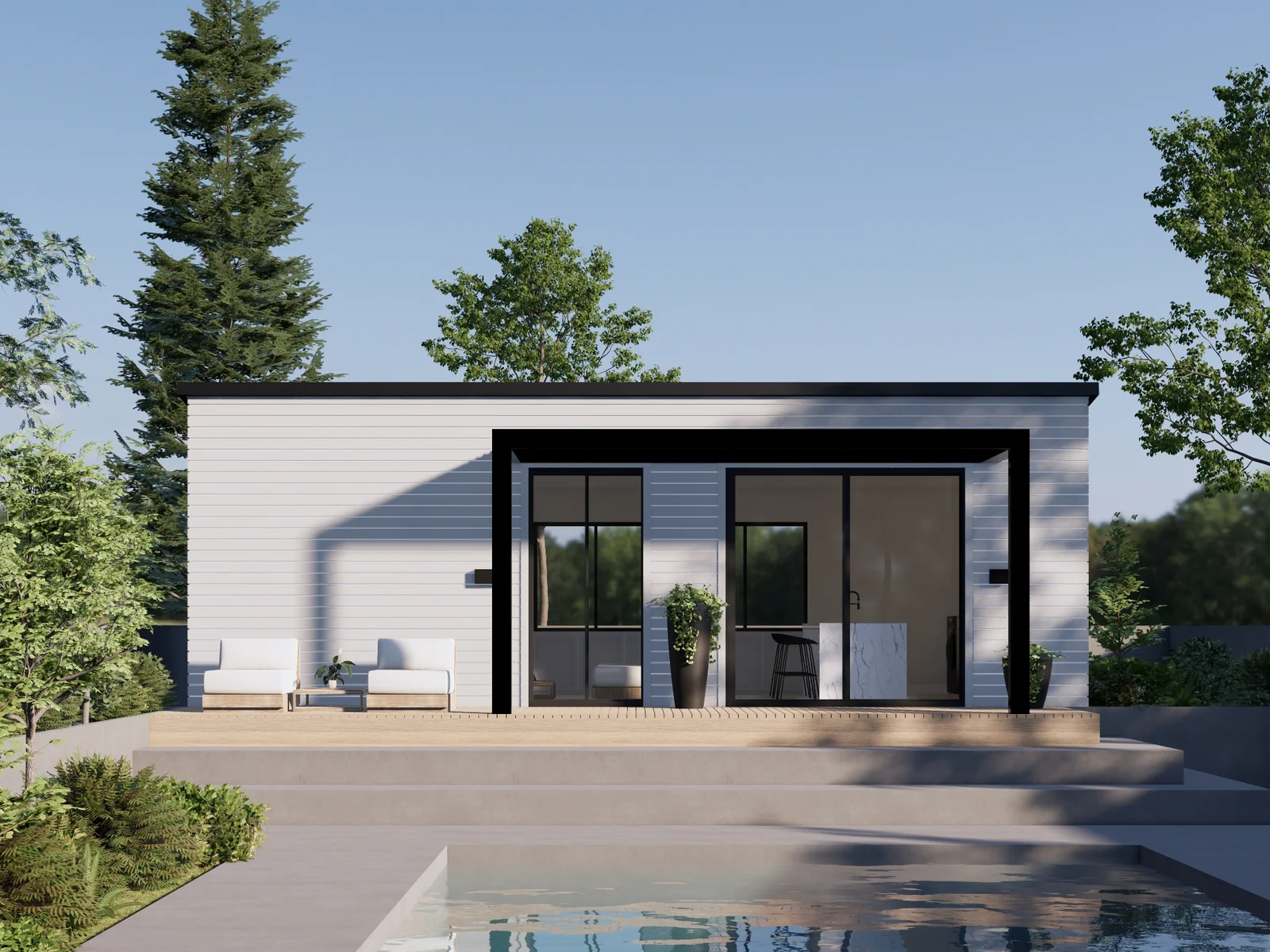
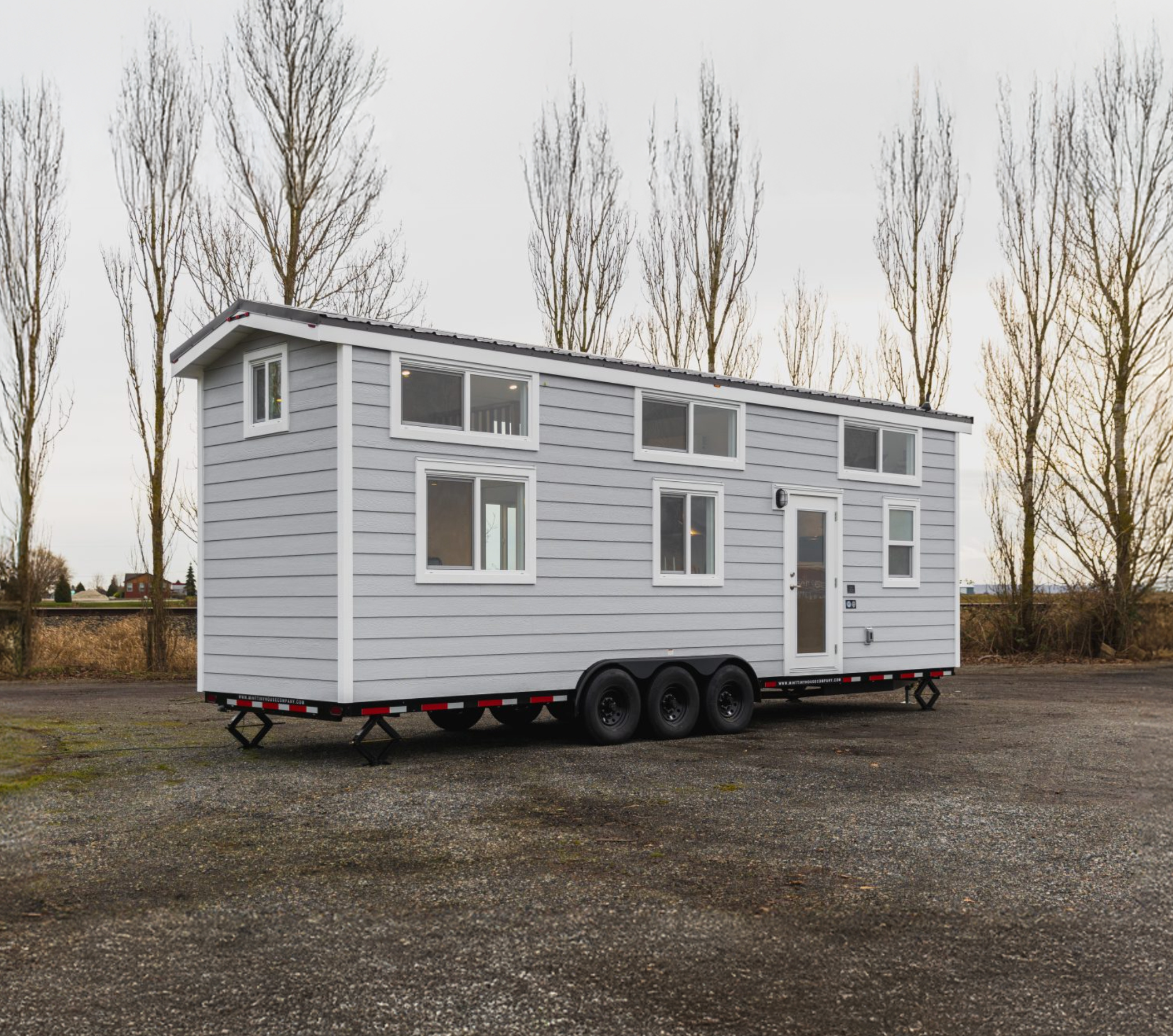
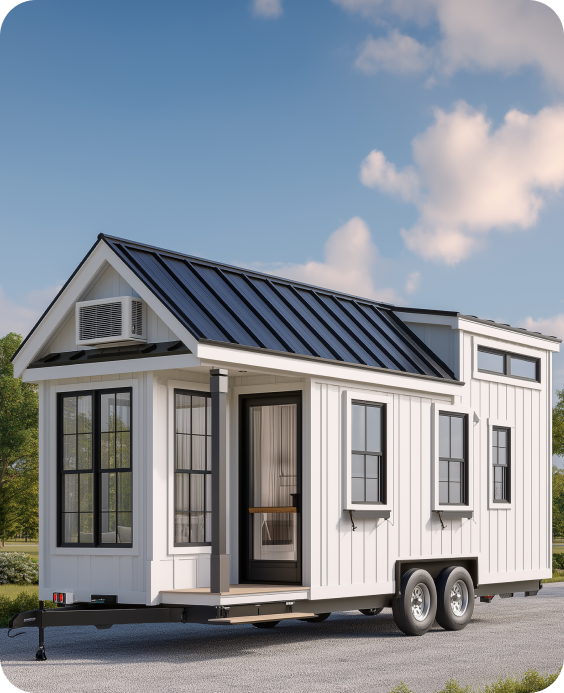
Phoenix is one of the fastest-growing markets for tiny homes, prefab homes, and modular homes in the United States. As housing prices continue to rise across the Phoenix metro area—including Scottsdale, Mesa, Chandler, Gilbert, and Glendale—many buyers are exploring smaller, faster, and more flexible housing options. Prefab and modular homes offer predictable pricing, faster build timelines, and energy-efficient designs that work well in Arizona’s desert climate. These homes are increasingly used for backyard ADUs, guest houses, rental units, and small primary residences throughout the Valley. ModelTown helps buyers compare tiny homes, prefab homes, and modular homes deliverable to Phoenix so you can explore floorplans, pricing, and manufacturers in one place.
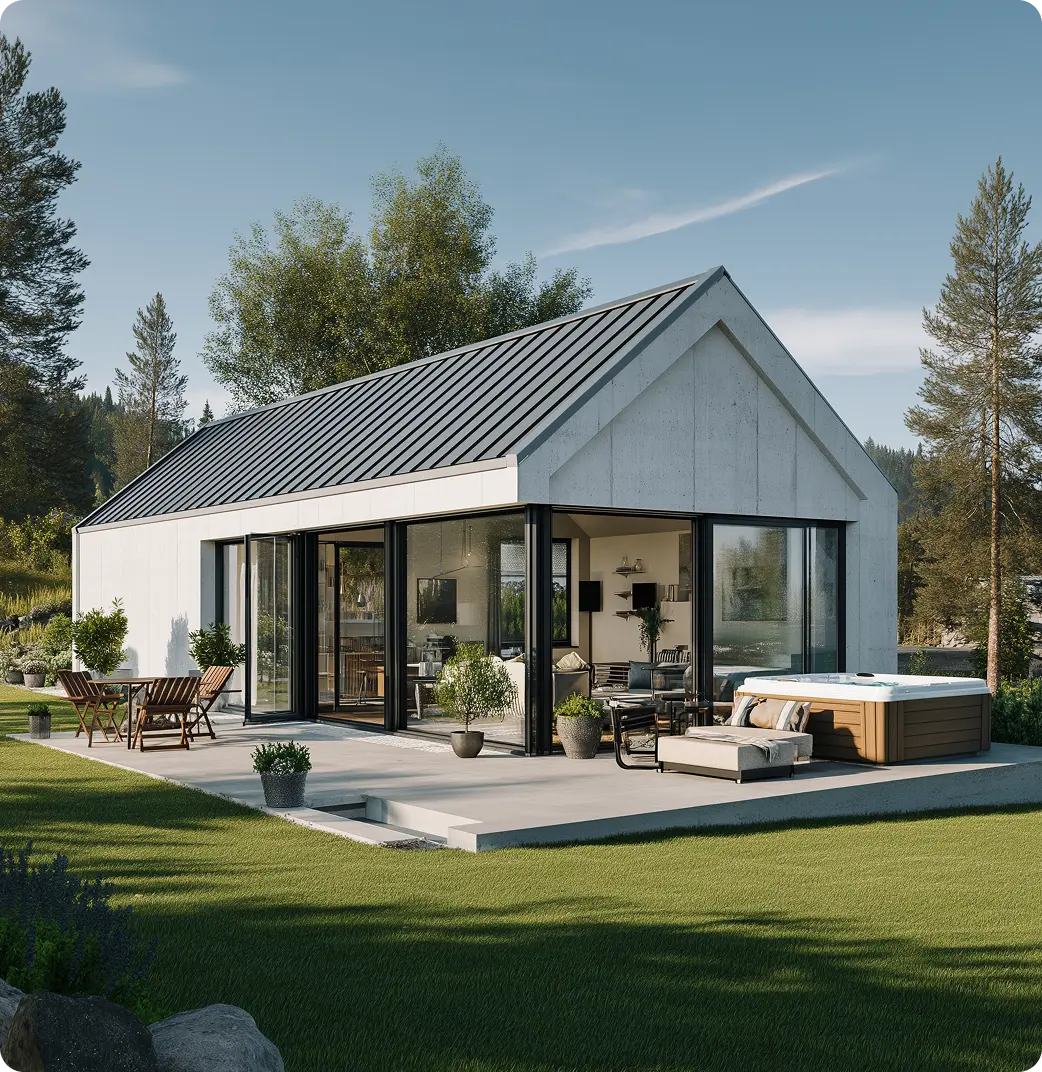
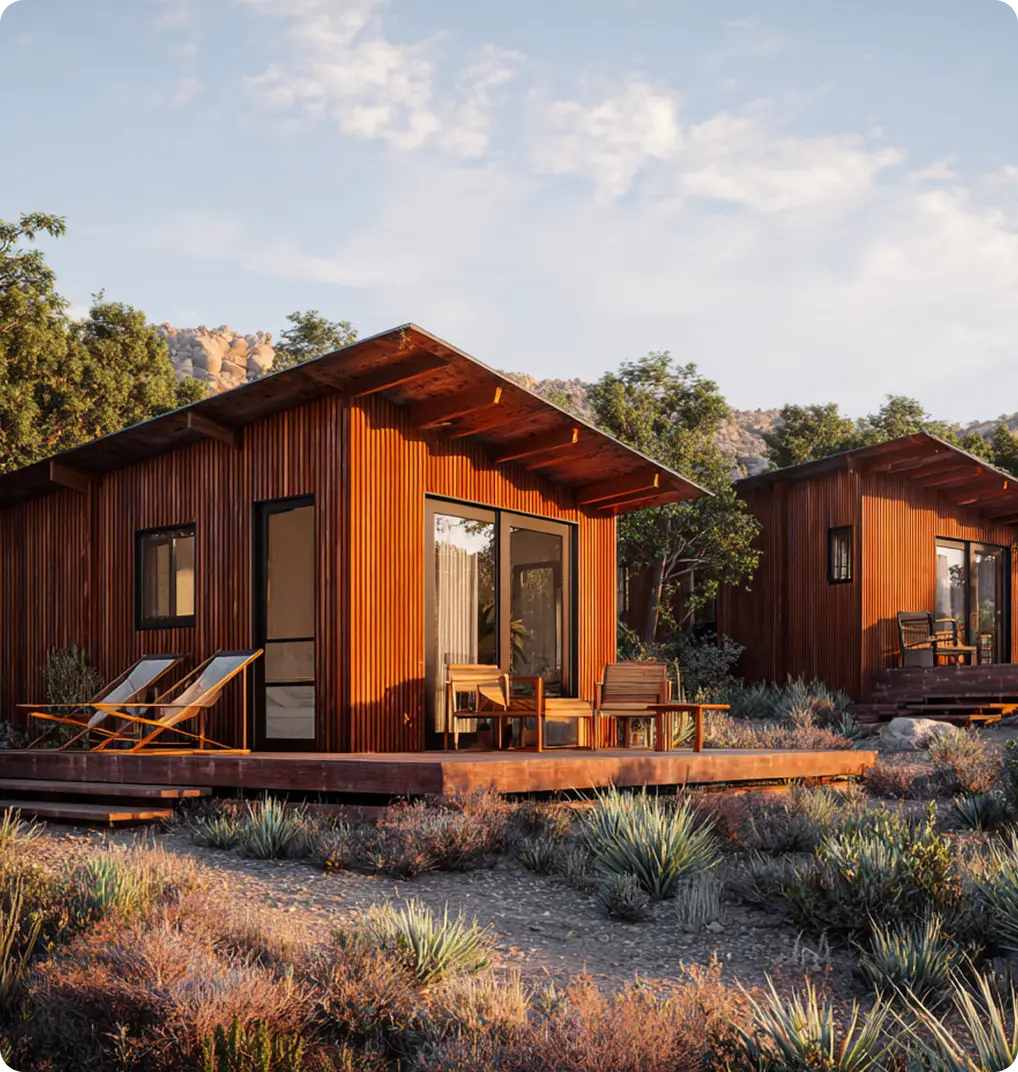
Zoning and placement rules in Phoenix and across Maricopa County depend on how a home is built and how it will be used. Important factors often include whether the home is on wheels or placed on a permanent foundation, whether it is intended as a primary residence or an accessory dwelling unit (ADU), and how it connects to utilities like water, sewer, and electricity. The City of Phoenix allows ADUs in many residential zoning districts, though permitting, size limits, and design standards still apply. Prefab and modular homes that meet Arizona building codes can often be used as permanent housing, while tiny homes on wheels may be regulated differently depending on whether they are treated as RVs or temporary dwellings. ModelTown does not replace local permitting or zoning approvals, but we help you start by exploring tiny homes, prefab homes, and modular models commonly used for backyard ADUs, guest houses, rentals, and small primary residences throughout the Phoenix area.
.webp)
It depends on how the home is classified and where it goes.
ModelTown helps you find homes that match realistic placement scenarios in and around Phoenix, whether you're after an ADU, rural acreage, or an off-grid site.
Yes. The City of Phoenix has updated its zoning to allow casitas (ADUs) in most single-family residential districts. Important considerations include:
Many prefab and modular homes on ModelTown are well suited to Phoenix casita use, but always confirm your specific lot before ordering.
The home itself is only part of the project. In the Phoenix metro, total cost typically includes:
Cooling efficiency and proper ductwork matter more in Phoenix than in most markets, so the lowest sticker price isn't always the lowest total cost of ownership. ModelTown helps you compare options across the full picture.
Yes, and this is a popular path for buyers who want more land or fewer restrictions. Common options include:
Arizona regulates factory-built homes through the Arizona Department of Housing, while counties and municipalities handle placement, setbacks, and utility approvals.
In most cases, yes. The Phoenix metro is one of the fastest-growing housing markets in the country, and that demand supports value for modular and prefab homes placed on owned land.
Tiny homes on wheels are generally titled as RVs and tend to depreciate more like vehicles than traditional real estate.