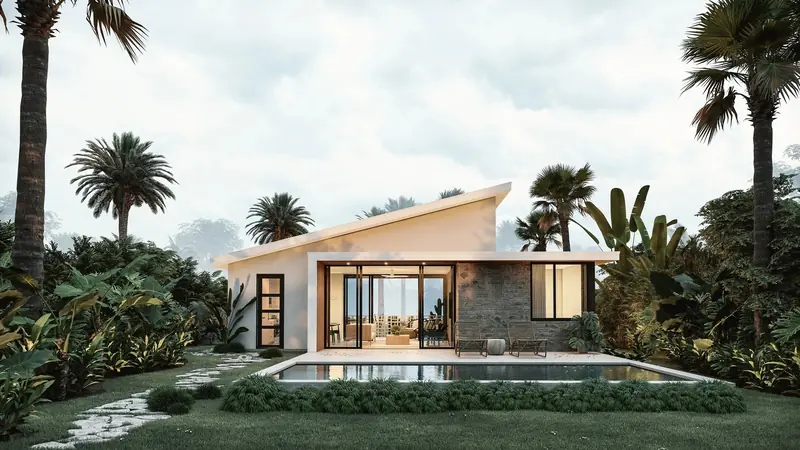
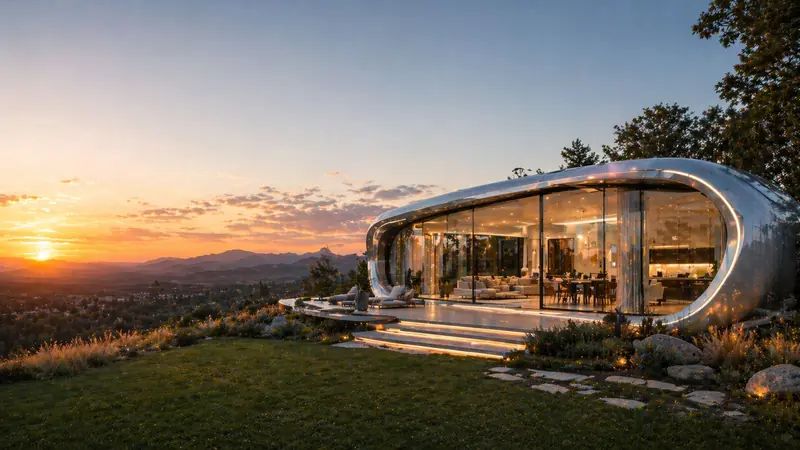





Tiny Home vs ADU: Which Is Right for Your Land, Lifestyle, and Budget?

all
read-time

Updated June 2026  ·  ~13 minute read

You've decided you want to live smaller, smarter, or add income-generating space to your property. Then you hit the first fork in the road: tiny home or ADU?

They sound similar. Sometimes they even look similar. But under the hood, they're built differently, financed differently, permitted differently, and they hold their value in very different ways. The terms get used interchangeably online, and with the US ADU market projected to grow from roughly $18 billion to over $43 billion by 2034, that confusion is costing buyers thousands.

This guide cuts through it. By the end, you'll know exactly which one fits your land, your lifestyle, and your budget — and you'll be able to browse real models in either category, all in one place.

The short version

A tiny home is typically 100–400 sq ft and often built on wheels for mobility. An ADU (Accessory Dwelling Unit) is a permanent secondary dwelling on the same lot as a primary home, usually 400–1,200 sq ft.

Tiny homes are cheaper and more flexible. ADUs add property value and generate rental income. The right choice depends on whether you already own land with a primary home — and what your local zoning allows.

What is a tiny home?

A tiny home is a compact, fully livable dwelling, typically between 100 and 400 square feet. The category has two main branches: tiny homes on wheels (THOW), built on a trailer chassis and certified under RVIA standards for mobility, and tiny homes on foundation, built to local IRC building code and placed on a permanent foundation. A close cousin is the park model, a slightly larger tiny home (up to 400 sq ft) built to ANSI standards for long-term placement in RV parks, resorts, and tiny home communities.

Typical cost: Tiny homes range from around $30,000 for a DIY kit to $150,000 for a turnkey luxury build. Prefab tiny homes average roughly $300 per square foot.

Who it's for: first-time buyers priced out of traditional housing, minimalists and downsizers, people who want a mobile or off-grid lifestyle, vacation property owners, and anyone who doesn't yet own land and wants flexibility.

Browse tiny homes on wheels or park models from vetted builders on ModelTown.
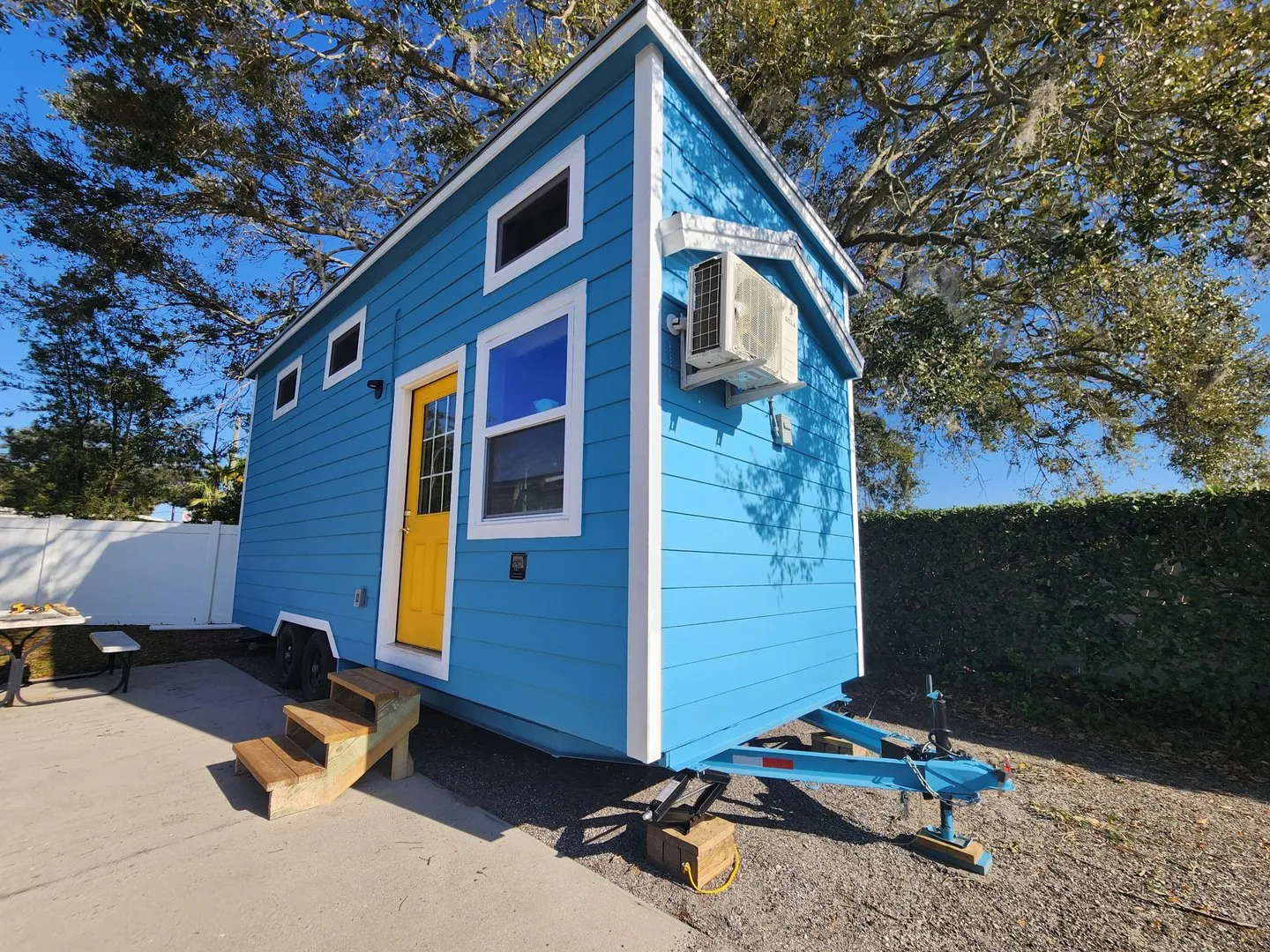
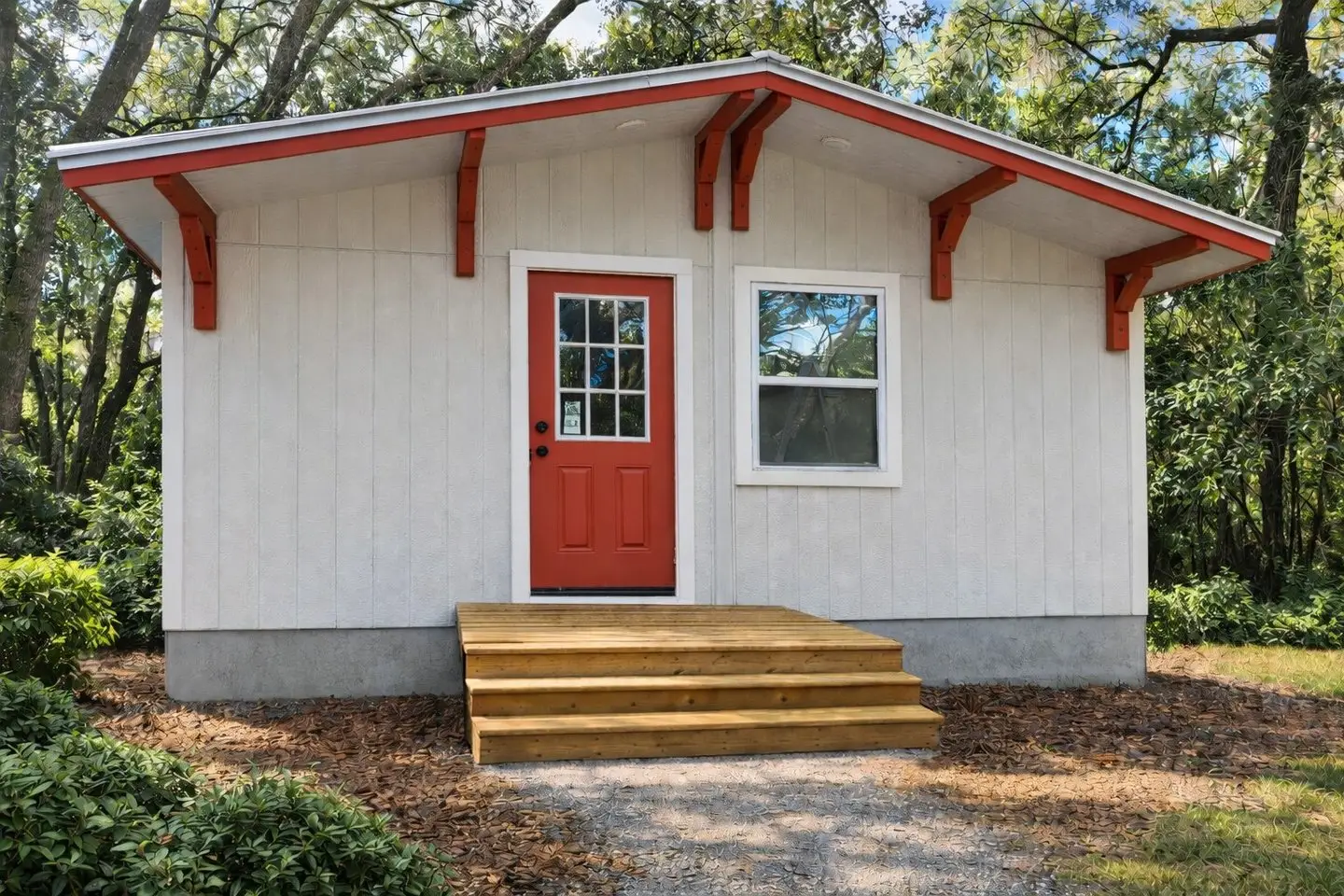
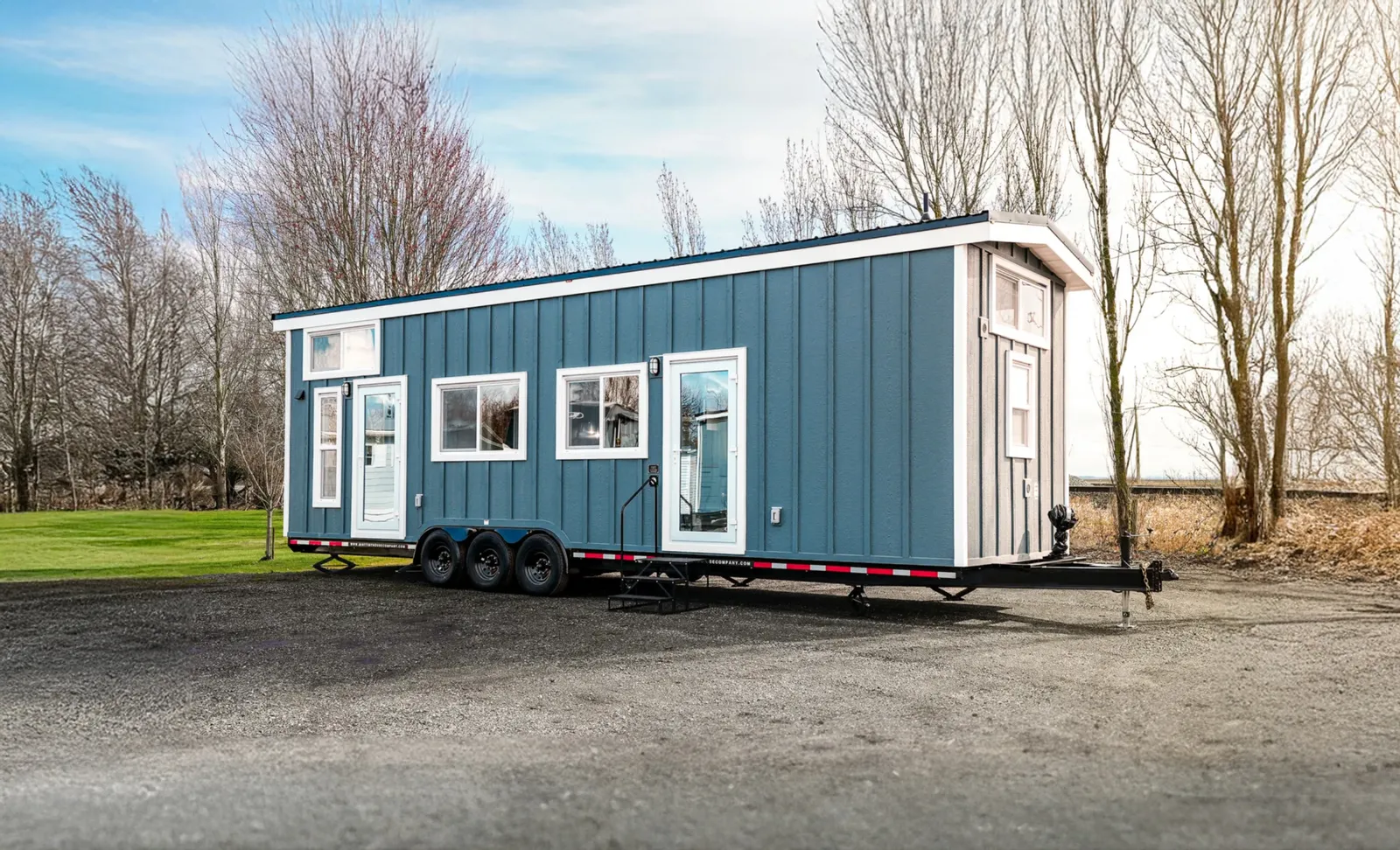
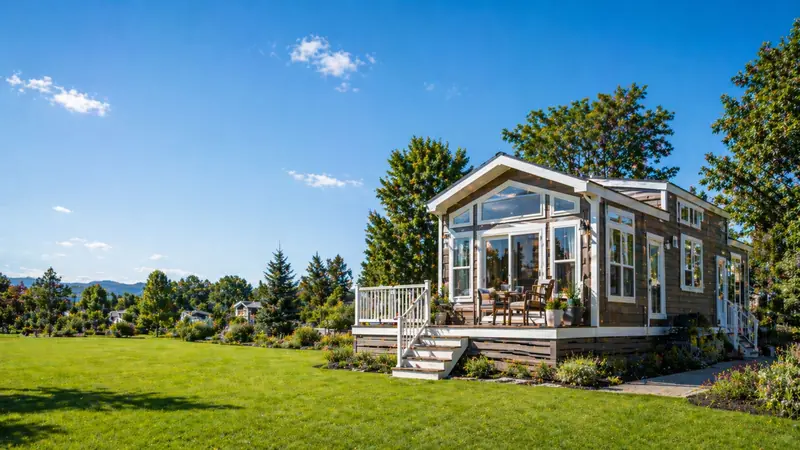
The Nordic tiny home on wheels by Craftsman Tiny Homes

Tiny home example

The Nordic by Craftsman Tiny Homes

296 sq ft  ·  Tiny home on wheels  ·  From $40,700

View the Nordic →

What is an ADU?

An ADU — short for Accessory Dwelling Unit — is a permanent secondary dwelling on the same lot as a primary home. Sometimes called a granny flat, in-law suite, or backyard cottage, ADUs are designed to add livable square footage to an existing residential property. They come in several forms: detached (standalone backyard cottages), attached (built onto the main home), garage conversions, and Junior ADUs (JADUs), which are smaller units within the main home, typically capped at 500 sq ft.

Because ADUs are permanent structures, they're built to local building codes — the same standards a primary residence has to meet.

Typical cost: ADUs run $150–$300 per square foot on average, with high-cost markets like California, New York, and the Bay Area exceeding $600 per square foot. A typical detached prefab ADU lands between $100,000 and $400,000 all in.

Who it's for: homeowners who want rental income, multigenerational families, anyone who needs a dedicated home office or guest space, and property owners planning long-term for aging in place.

Explore ADU & backyard homes from builders who ship across the US and Canada.
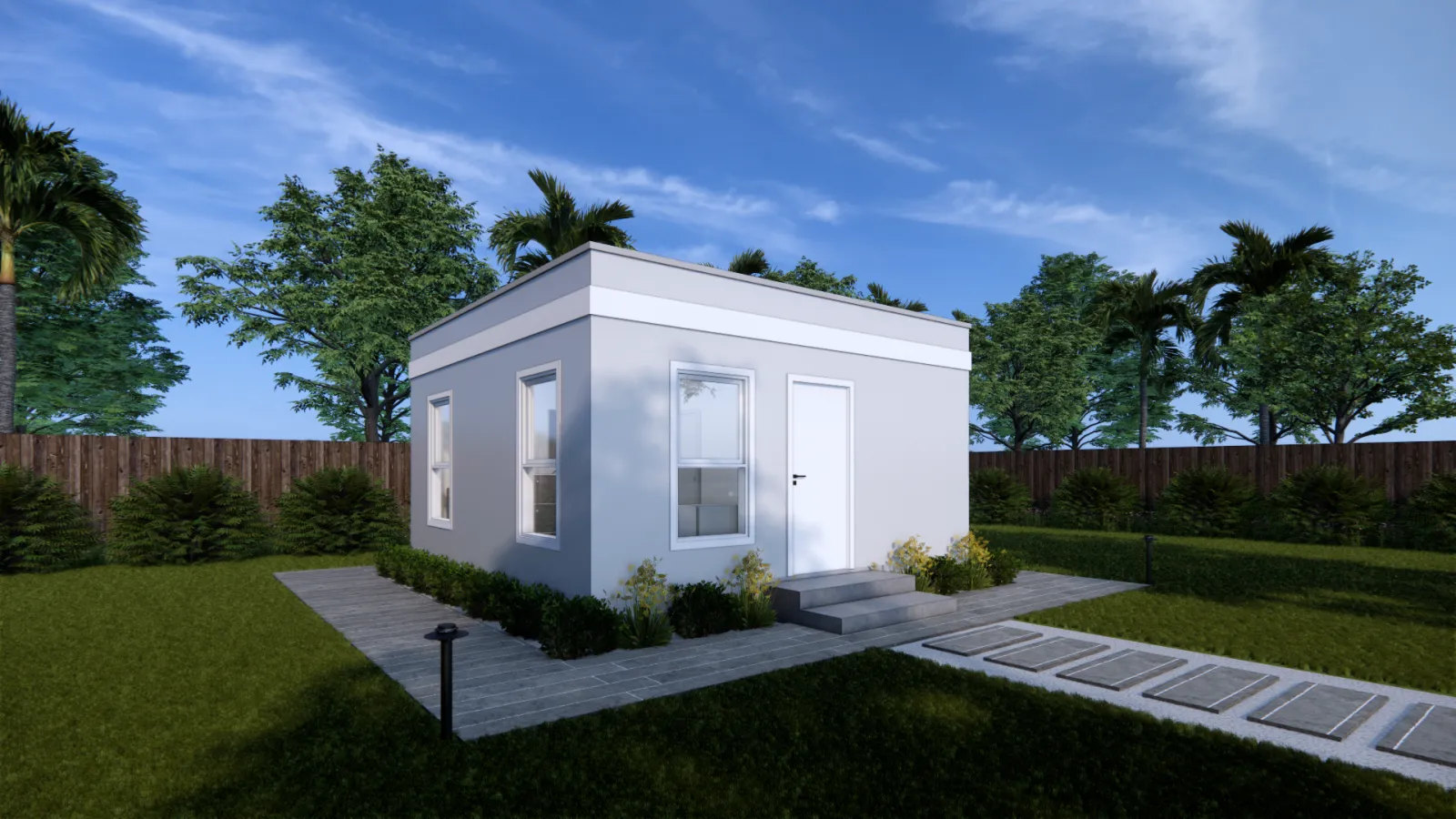
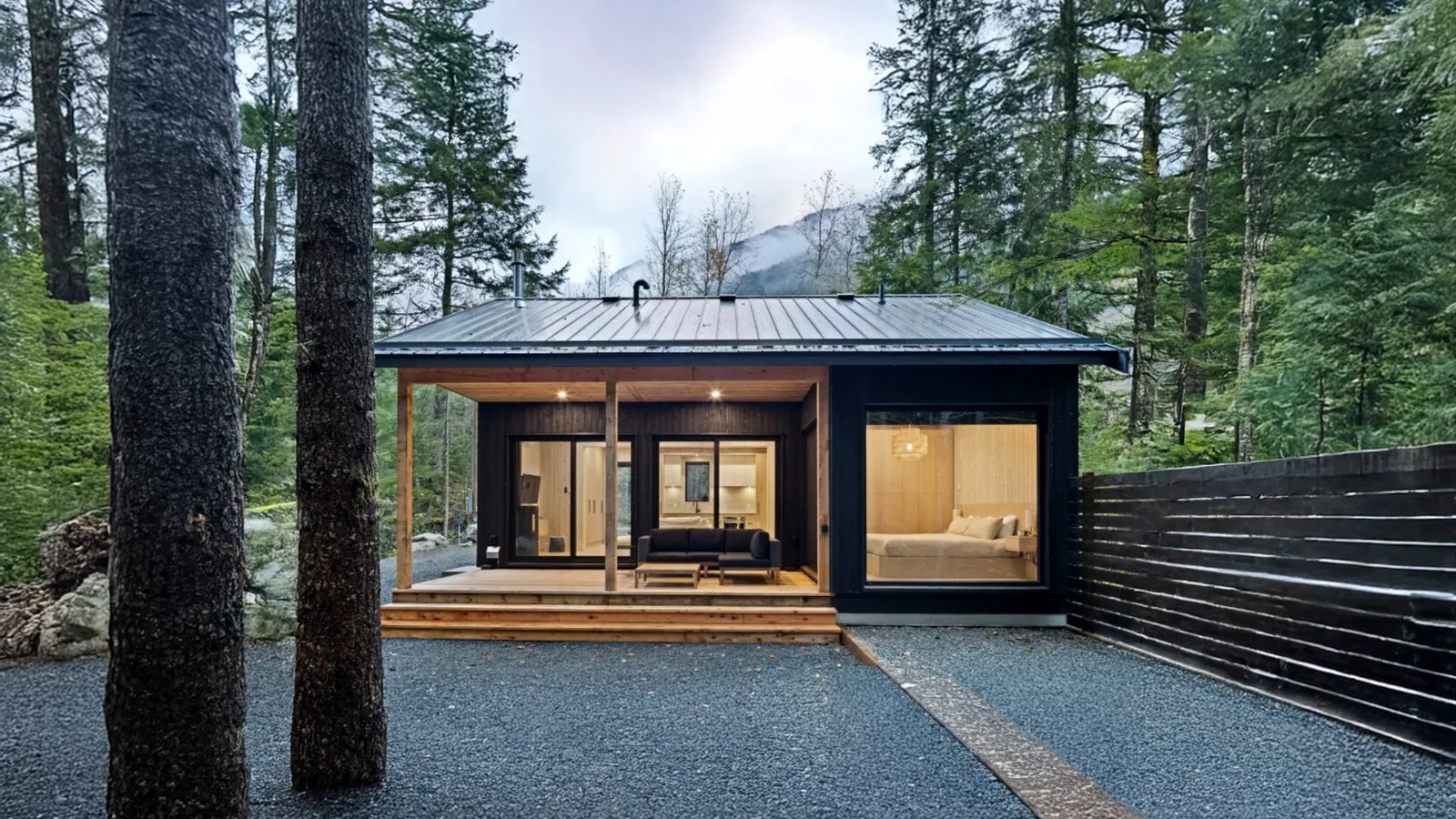
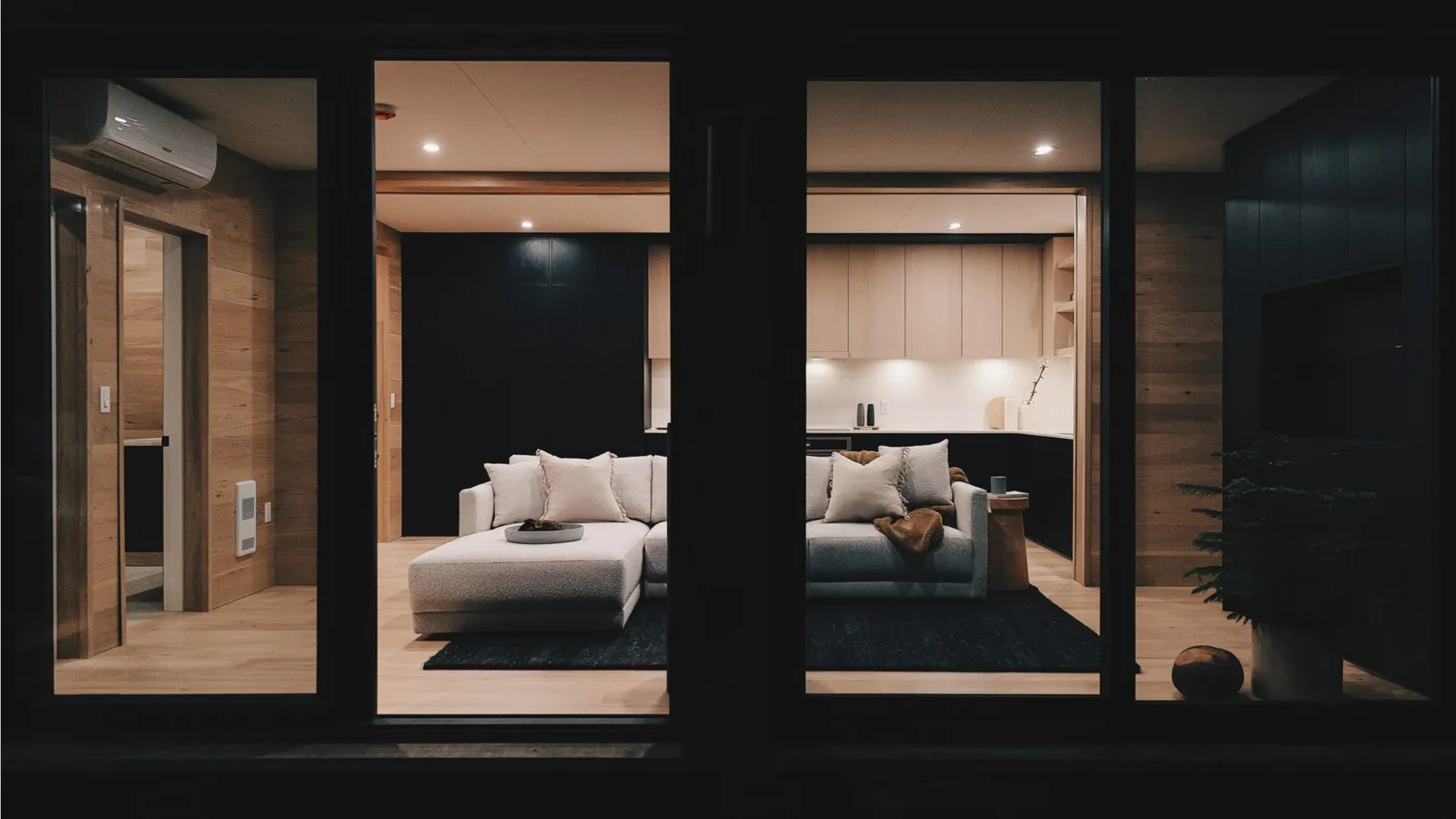
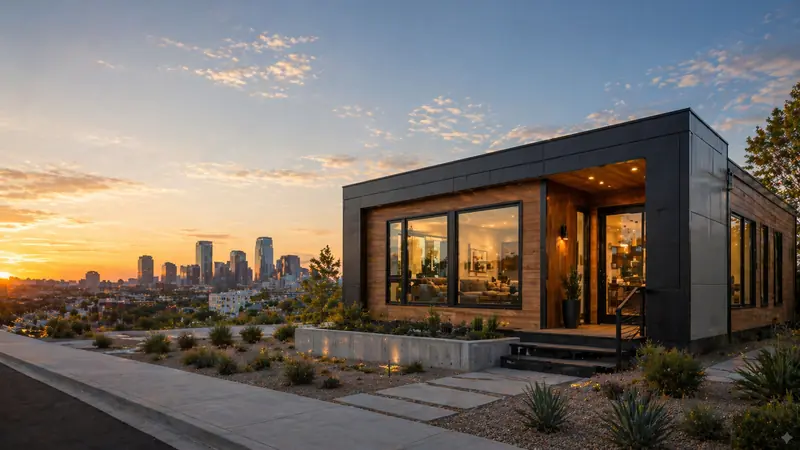
The Boxabl Casita Studio foldable ADU exterior

ADU example

Boxabl Casita Studio

361 sq ft  ·  Foldable modular ADU  ·  From $60,000

View the Casita Studio →

Tiny home vs ADU: side-by-side comparison

Feature Tiny Home ADU
Typical size 100–400 sq ft 400–1,200 sq ft
Foundation Wheels or permanent Always permanent
Building code RVIA or local IRC Local IRC (same as primary residence)
Typical cost $30K–$150K $100K–$400K+
Cost per sq ft $250–$450 $150–$600+
Permitting Often difficult (zoning gray areas) Increasingly streamlined
Financing RV loan, personal loan, builder financing HELOC, construction loan, renovation loan
Rental income Limited, varies by jurisdiction Strong, often explicitly legalized
Resale value Depreciates like a vehicle (if on wheels) Appreciates with the property
Can it move with you? Yes (if on wheels) No
Requires existing home on lot? No Yes

Cost comparison: what you'll actually pay

Sticker price is only the start of the story. For a tiny home, your real budget includes the base unit ($30K–$150K), delivery (typically $2–$5 per loaded mile), a foundation or pad if it's not on wheels ($1,500–$10,000), utility hookups for water, sewer/septic, and power ($3,000–$20,000+), and land if you don't already own it — often the biggest cost driver.

For an ADU, plan for the base unit ($100K–$400K for prefab), site prep including grading, foundation, and utility trenching ($15,000–$50,000), permits and impact fees ($5,000–$30,000+ depending on jurisdiction), utility tie-ins to the main home, and interior finish-out if it's not included in the prefab package.

The hidden costs nobody warns you about: for both categories, watch for school district impact fees, sewer connection fees (which can exceed $20K in some cities), HOA review costs, geotechnical or soil reports, and engineered foundation plans. On ModelTown, every listing shows a base price plus typical delivery estimates, so you can build a realistic budget before you ever talk to a builder.

Permits, zoning, and legal status: the make-or-break difference

This is where most buyers get tripped up — and it's the single biggest reason to know the difference before you buy.

Tiny homes on wheels exist in a regulatory gray zone in most of the country. They're typically classified as RVs, which means many municipalities prohibit them as full-time residences in residential zones. You may need to park them in an RV park or tiny home community, place them on agricultural or rural land, move them periodically to comply with "temporary occupancy" rules, or convert to permanent foundation status to be treated as real property. The rules are improving fast — many states and cities are revising codes to legalize tiny homes — but it's still a patchwork.

ADUs, by contrast, have been the focus of major statewide legalization efforts. California, Oregon, Washington, New York, Vermont, and a growing list of others have passed laws requiring cities to allow ADUs by-right on most residential lots. Several states even offer financial incentives: California offers pre-construction grants of up to $40,000 for qualifying homeowners, New York's Plus One ADU Program offers up to $125,000 per grantee, and Vermont provides up to $50,000 in homeowner assistance through regional programs.

If you're serious about either path, your first call should be to your local planning department. Our land evaluation guide walks through exactly what to ask.

Financing: what loans actually apply

Financing is one of the most overlooked parts of this decision — and one of the biggest reasons buyers end up choosing one path over the other.

Tiny homes on wheels are treated as personal property, so financing usually means an RV loan, a chattel loan, a personal loan, or builder financing. Interest rates are typically higher than traditional mortgages, and terms are shorter (10–20 years). Tiny homes on a permanent foundation can sometimes qualify for construction loans or small mortgages if the home is permitted as a primary residence and meets local code.

ADUs open up more familiar options: a HELOC (borrowing against your existing home's equity), a cash-out refinance, renovation loans like the Fannie Mae HomeStyle or FHA 203(k), and a growing category of dedicated ADU loans, especially in California and Oregon. The honest take: both categories have improved dramatically in the last 24 months. Options that didn't exist in 2023 are widely available in 2026.

Resale value and long-term investment

This is where the two paths diverge the most. Tiny homes on wheels depreciate at roughly 3.5% per year, similar to vehicles, and lenders treat them as personal property. Tiny homes on permanent foundations can hold or grow their value — but only when zoned and permitted as real property. The classification matters more than the home itself.

ADUs typically increase your property's appraised value by at least the cost of the unit, and often more in supply-constrained markets. If you rent the ADU, the cash flow can pay back the build cost in 7–12 years in most major metros. After that, it's pure return. If you're optimizing for investment, an ADU wins. If you're optimizing for flexibility, freedom, or a low entry cost, a tiny home wins.

For a deeper look at how to weigh quality, finishes, and builder reputation alongside price, see our guide on what really matters when comparing home models.

Which one is right for you?

It comes down to three honest questions: Do you own land? Do you want the freedom to move? Do you want this to grow in value?

Choose a tiny home if you don't own land yet or want the flexibility to move, want the lowest total entry cost, are buying as a primary residence for one or two people, value mobility or off-grid living, or plan to use it as a vacation property or short-term rental in a tiny-home-friendly area.

Choose an ADU if you already own a single-family home, want to generate rental income, need housing for family members, want the unit to add to your property's appraised value, or plan to stay put long-term.

Consider both if you own land but aren't sure of your long-term plans, are in a jurisdiction where a tiny home on a permanent foundation can later be classified as an ADU, or want the design and footprint of a tiny home with the legal status of an ADU.

Can a tiny home be an ADU?

Yes — and it's one of the most underrated paths in the entire prefab category. In many jurisdictions, a tiny-home-style structure can be classified as an ADU if it's built to local IRC building code (not just RVIA), placed on a permanent foundation, meets minimum square footage requirements (varies by city, often 150–500 sq ft), and is permitted as an accessory dwelling on a residential lot.

This hybrid path gives you the design language and efficiency of a tiny home with the legal status, financing options, and resale value of an ADU. Some of the builders on ModelTown specifically design models to meet both standards — which is worth asking about up front.

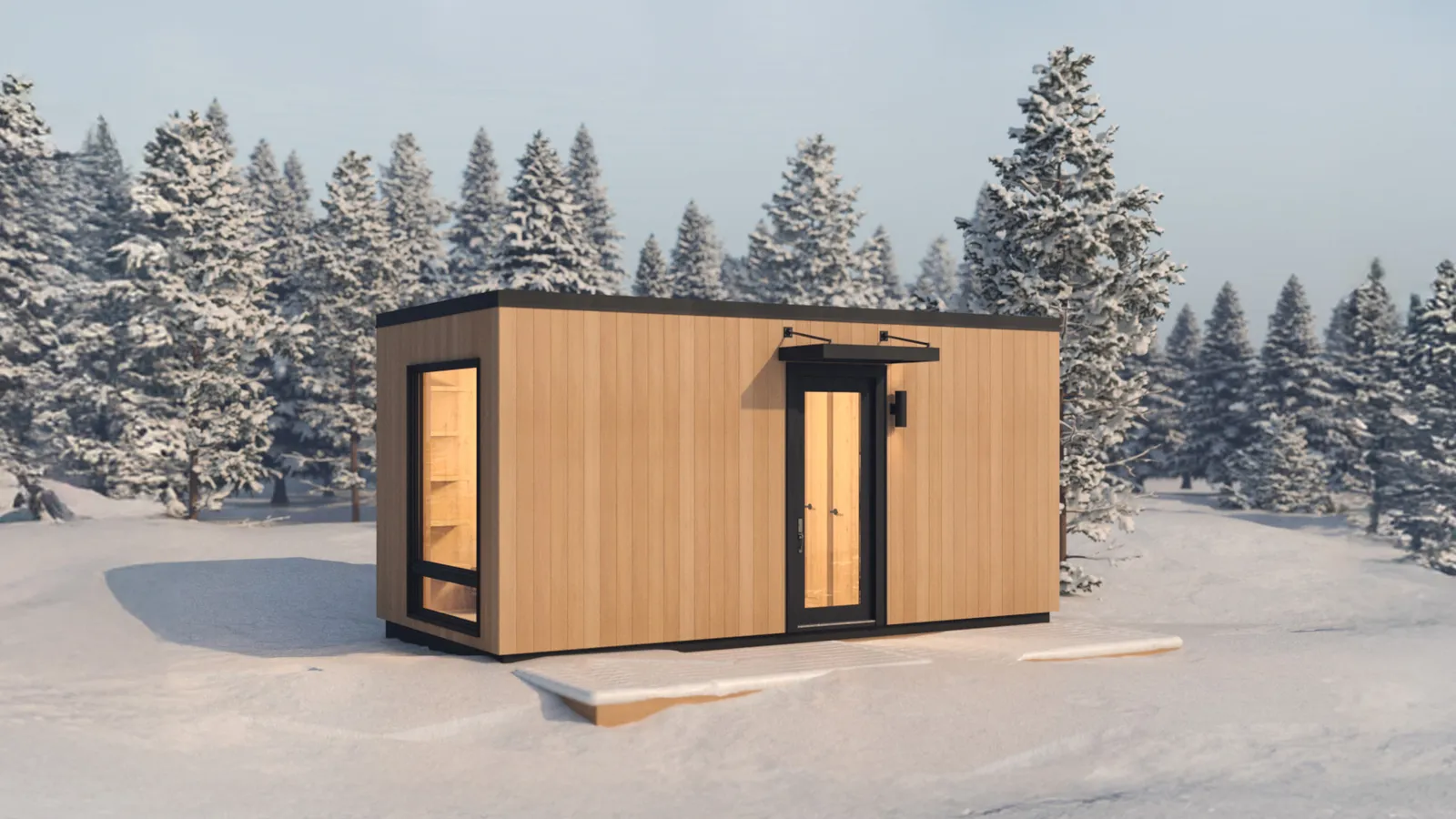
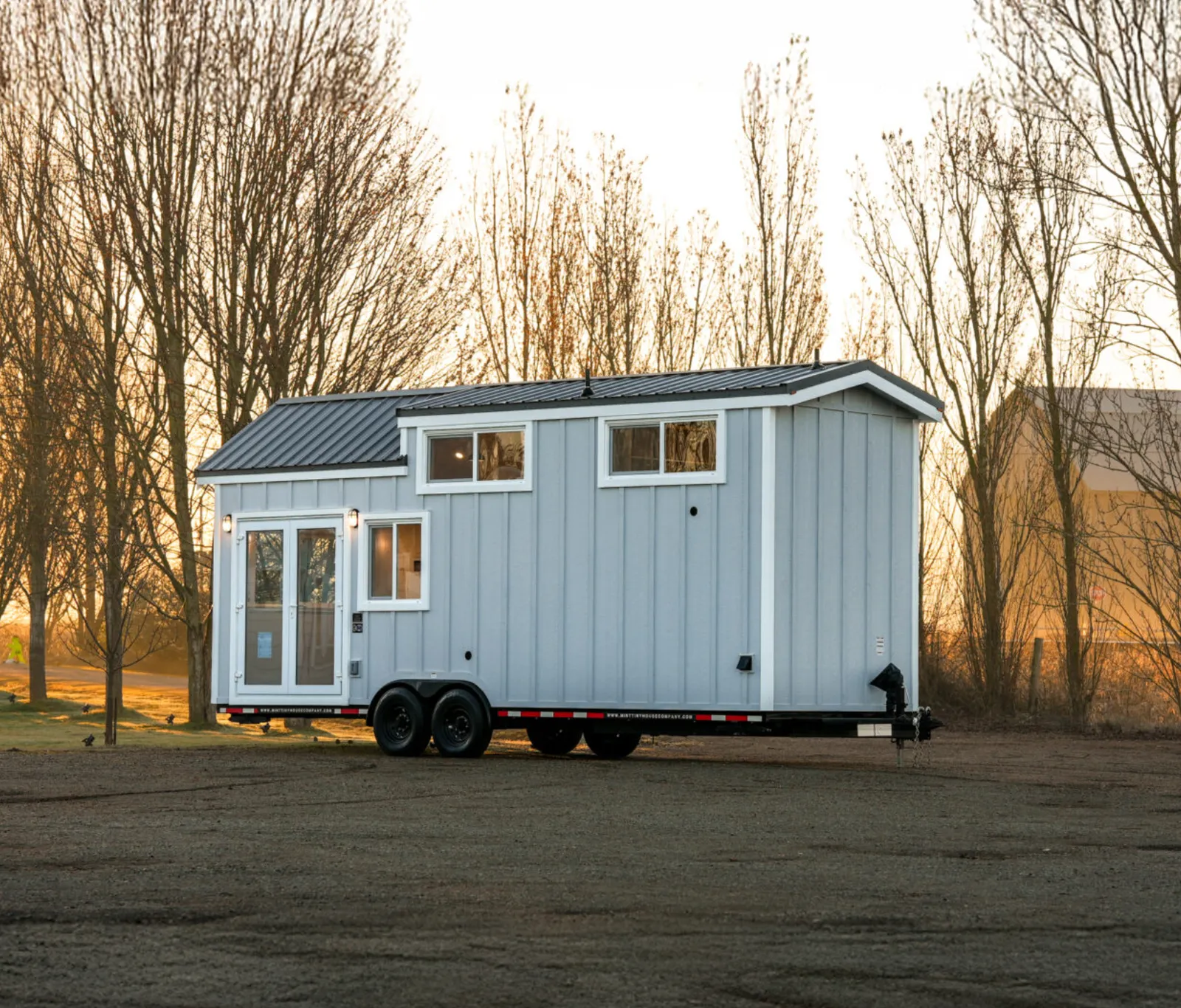
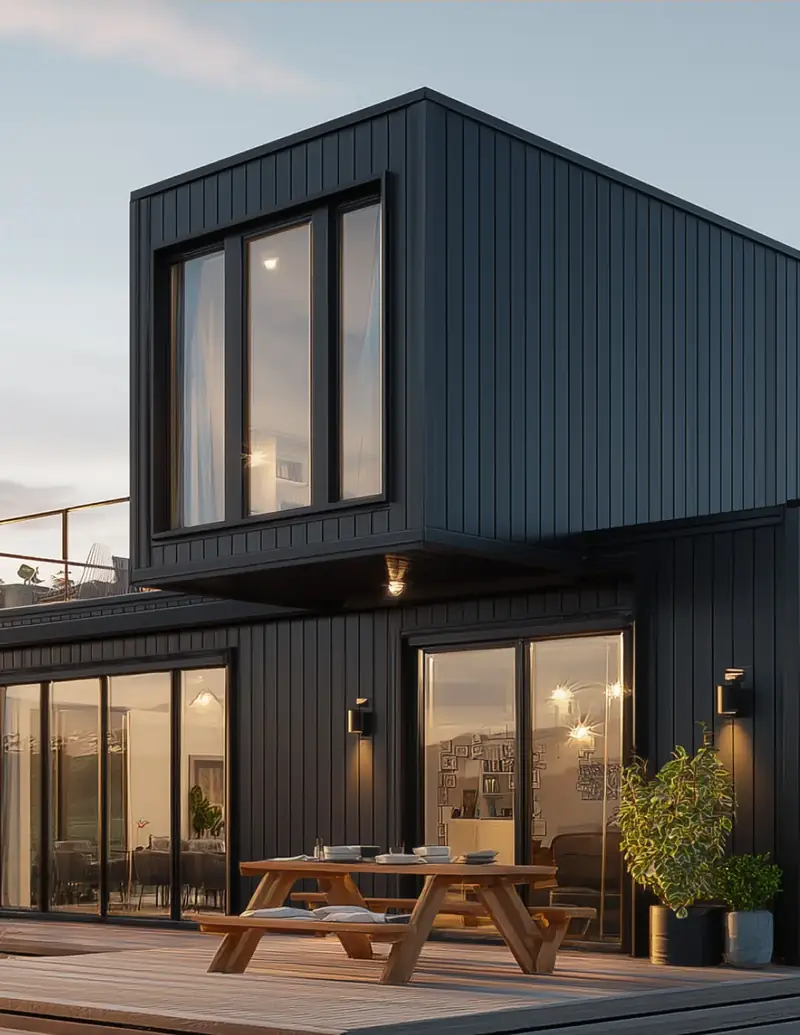
The Summit modular ADU by Craftsman Tiny Homes

Hybrid example: tiny-home design, ADU status

The Summit by Craftsman Tiny Homes

410 sq ft  ·  HUD-standard modular ADU  ·  From $65,500

View the Summit →

How to start comparing real models

Now that you know the difference, the next step is seeing what's actually available. Browse tiny homes on wheels, explore ADU & backyard homes, or visit our Fort Collins show lot to tour models in person. Every builder on ModelTown is vetted, every home ships across the US and Canada, and every listing is built to help you compare — not just shop.

Related reading

Final thoughts

Finding the right home shouldn't mean toggling between twelve builder websites and a dozen zoning PDFs. Whether you land on a tiny home, an ADU, or something in between, the answer comes down to those three honest questions: Do you own land? Do you want to move? Do you want this to grow in value?

ModelTown brings the options, the builders, and the homework into one place — so you can make a confident decision and get on with the part that actually matters: living in it. Still not sure which direction fits? Contact us and we'll help you narrow it down.

Frequently asked questions

Answers to the most common questions about choosing between a tiny home and an ADU.

Is a tiny home cheaper than an ADU?

In most cases, yes — but the gap narrows once you factor in long-term value.

  • Tiny homes typically run $30,000 to $150,000
  • ADUs typically start around $100,000 and can exceed $400,000
  • ADUs add appraised value to your property; tiny homes on wheels do not
  • ADUs can generate rental income that offsets the higher build cost over time

The cheaper sticker price doesn't always equal the cheaper long-term path.

Can I live in a tiny home full time?

Yes, but it depends on your local zoning and how the home is classified.

  • In many jurisdictions, tiny homes on wheels are restricted to RV parks or tiny home communities
  • Tiny homes on permanent foundations are generally allowed as full-time residences when permitted as primary or accessory dwellings
  • Rules vary significantly by city and county — always check with your local planning office first

Our land evaluation guide walks through exactly what to ask.

Does an ADU increase property value?

Yes — and in most markets, by at least the cost of the unit.

  • ADUs typically add to your home's appraised value, often more than the build cost in supply-constrained markets
  • Rental income from an ADU can pay back the build cost in 7–12 years in most major metros
  • Buyers increasingly factor ADU potential into their offers, even when an ADU isn't yet built

An ADU is one of the few home additions that reliably grows wealth rather than simply spending it.

Do tiny homes need a permit?

It depends on whether the home is on wheels or on a foundation.

  • Tiny homes on wheels classified as RVs usually don't need a building permit, but may need RV registration and are subject to where they can legally park
  • Tiny homes on permanent foundations require the same building permits as a small house or ADU
  • Some jurisdictions also require occupancy permits, septic permits, or HOA approval

Permitting is often the biggest hidden complexity in a tiny home purchase. Confirm requirements before you sign a build contract.

Can I put a tiny home in my backyard as an ADU?

Sometimes, yes — and this hybrid path is becoming more common.

  • The tiny home must be built to local IRC building code, not just RVIA
  • It must be placed on a permanent foundation
  • It must meet minimum square footage requirements (varies by city, often 150–500 sq ft)
  • It must be permitted as an accessory dwelling on a residential lot

Some builders specifically design models to meet this dual standard. Ask up front whether the model you're considering can be permitted as an ADU in your jurisdiction.

What's the cheapest type of ADU?

Garage conversions are typically the lowest-cost path, followed by prefab detached ADUs.

  • Garage conversions reuse an existing structure and foundation, saving 30–50% on hard costs
  • Prefab detached ADUs have shorter build times and more predictable pricing than custom site-built units
  • JADUs (Junior ADUs) within the main home are also low-cost but limited to ~500 sq ft

The cheapest option isn't always the best fit — factor in privacy, rental potential, and long-term flexibility before optimizing for upfront cost.

Do tiny homes appreciate in value?

It depends entirely on classification, not aesthetics or build quality.

  • Tiny homes on wheels depreciate at roughly 3.5% per year, similar to RVs
  • Tiny homes on permanent foundations can appreciate when zoned and permitted as real property
  • The same physical home can appreciate or depreciate depending on how it's titled and permitted

If long-term value matters to you, prioritize models that can be classified as real property in your jurisdiction — or look at an ADU instead.

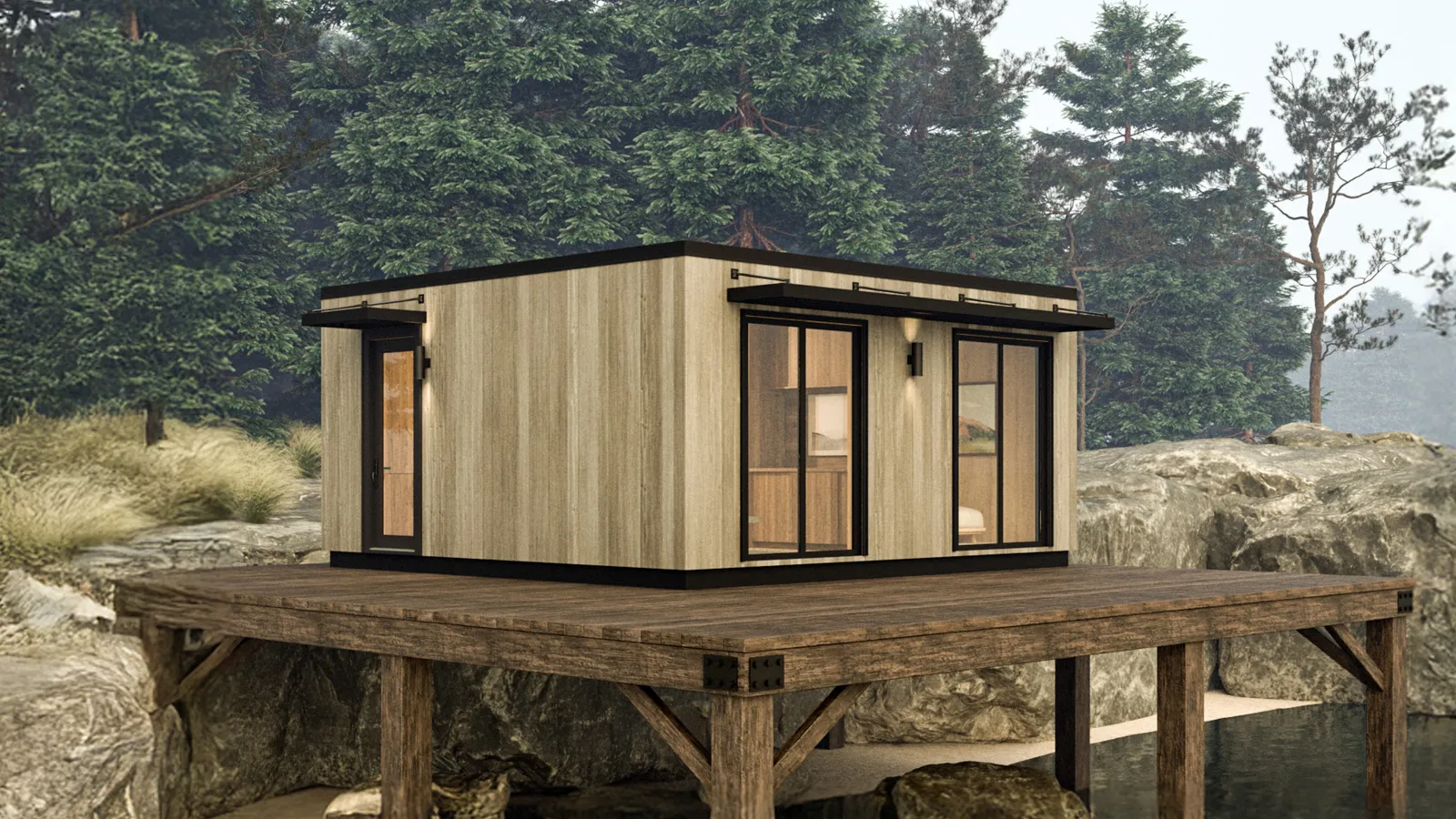
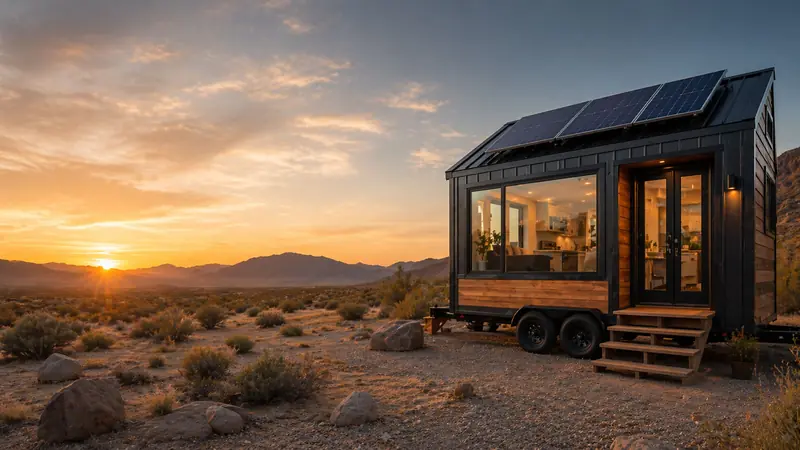
A compact tiny home on wheels beside a modern backyard ADU, illustrating the comparison between the two home types.

Table of contents

Updated June 2026  ·  ~13 minute read

You've decided you want to live smaller, smarter, or add income-generating space to your property. Then you hit the first fork in the road: tiny home or ADU?

They sound similar. Sometimes they even look similar. But under the hood, they're built differently, financed differently, permitted differently, and they hold their value in very different ways. The terms get used interchangeably online, and with the US ADU market projected to grow from roughly $18 billion to over $43 billion by 2034, that confusion is costing buyers thousands.

This guide cuts through it. By the end, you'll know exactly which one fits your land, your lifestyle, and your budget — and you'll be able to browse real models in either category, all in one place.

The short version

A tiny home is typically 100–400 sq ft and often built on wheels for mobility. An ADU (Accessory Dwelling Unit) is a permanent secondary dwelling on the same lot as a primary home, usually 400–1,200 sq ft.

Tiny homes are cheaper and more flexible. ADUs add property value and generate rental income. The right choice depends on whether you already own land with a primary home — and what your local zoning allows.

What is a tiny home?

A tiny home is a compact, fully livable dwelling, typically between 100 and 400 square feet. The category has two main branches: tiny homes on wheels (THOW), built on a trailer chassis and certified under RVIA standards for mobility, and tiny homes on foundation, built to local IRC building code and placed on a permanent foundation. A close cousin is the park model, a slightly larger tiny home (up to 400 sq ft) built to ANSI standards for long-term placement in RV parks, resorts, and tiny home communities.

Typical cost: Tiny homes range from around $30,000 for a DIY kit to $150,000 for a turnkey luxury build. Prefab tiny homes average roughly $300 per square foot.

Who it's for: first-time buyers priced out of traditional housing, minimalists and downsizers, people who want a mobile or off-grid lifestyle, vacation property owners, and anyone who doesn't yet own land and wants flexibility.

Browse tiny homes on wheels or park models from vetted builders on ModelTown.

The Nordic tiny home on wheels by Craftsman Tiny Homes

Tiny home example

The Nordic by Craftsman Tiny Homes

296 sq ft  ·  Tiny home on wheels  ·  From $40,700

View the Nordic →

What is an ADU?

An ADU — short for Accessory Dwelling Unit — is a permanent secondary dwelling on the same lot as a primary home. Sometimes called a granny flat, in-law suite, or backyard cottage, ADUs are designed to add livable square footage to an existing residential property. They come in several forms: detached (standalone backyard cottages), attached (built onto the main home), garage conversions, and Junior ADUs (JADUs), which are smaller units within the main home, typically capped at 500 sq ft.

Because ADUs are permanent structures, they're built to local building codes — the same standards a primary residence has to meet.

Typical cost: ADUs run $150–$300 per square foot on average, with high-cost markets like California, New York, and the Bay Area exceeding $600 per square foot. A typical detached prefab ADU lands between $100,000 and $400,000 all in.

Who it's for: homeowners who want rental income, multigenerational families, anyone who needs a dedicated home office or guest space, and property owners planning long-term for aging in place.

Explore ADU & backyard homes from builders who ship across the US and Canada.

The Boxabl Casita Studio foldable ADU exterior

ADU example

Boxabl Casita Studio

361 sq ft  ·  Foldable modular ADU  ·  From $60,000

View the Casita Studio →

Tiny home vs ADU: side-by-side comparison

Feature Tiny Home ADU
Typical size 100–400 sq ft 400–1,200 sq ft
Foundation Wheels or permanent Always permanent
Building code RVIA or local IRC Local IRC (same as primary residence)
Typical cost $30K–$150K $100K–$400K+
Cost per sq ft $250–$450 $150–$600+
Permitting Often difficult (zoning gray areas) Increasingly streamlined
Financing RV loan, personal loan, builder financing HELOC, construction loan, renovation loan
Rental income Limited, varies by jurisdiction Strong, often explicitly legalized
Resale value Depreciates like a vehicle (if on wheels) Appreciates with the property
Can it move with you? Yes (if on wheels) No
Requires existing home on lot? No Yes

Cost comparison: what you'll actually pay

Sticker price is only the start of the story. For a tiny home, your real budget includes the base unit ($30K–$150K), delivery (typically $2–$5 per loaded mile), a foundation or pad if it's not on wheels ($1,500–$10,000), utility hookups for water, sewer/septic, and power ($3,000–$20,000+), and land if you don't already own it — often the biggest cost driver.

For an ADU, plan for the base unit ($100K–$400K for prefab), site prep including grading, foundation, and utility trenching ($15,000–$50,000), permits and impact fees ($5,000–$30,000+ depending on jurisdiction), utility tie-ins to the main home, and interior finish-out if it's not included in the prefab package.

The hidden costs nobody warns you about: for both categories, watch for school district impact fees, sewer connection fees (which can exceed $20K in some cities), HOA review costs, geotechnical or soil reports, and engineered foundation plans. On ModelTown, every listing shows a base price plus typical delivery estimates, so you can build a realistic budget before you ever talk to a builder.

Permits, zoning, and legal status: the make-or-break difference

This is where most buyers get tripped up — and it's the single biggest reason to know the difference before you buy.

Tiny homes on wheels exist in a regulatory gray zone in most of the country. They're typically classified as RVs, which means many municipalities prohibit them as full-time residences in residential zones. You may need to park them in an RV park or tiny home community, place them on agricultural or rural land, move them periodically to comply with "temporary occupancy" rules, or convert to permanent foundation status to be treated as real property. The rules are improving fast — many states and cities are revising codes to legalize tiny homes — but it's still a patchwork.

ADUs, by contrast, have been the focus of major statewide legalization efforts. California, Oregon, Washington, New York, Vermont, and a growing list of others have passed laws requiring cities to allow ADUs by-right on most residential lots. Several states even offer financial incentives: California offers pre-construction grants of up to $40,000 for qualifying homeowners, New York's Plus One ADU Program offers up to $125,000 per grantee, and Vermont provides up to $50,000 in homeowner assistance through regional programs.

If you're serious about either path, your first call should be to your local planning department. Our land evaluation guide walks through exactly what to ask.

Financing: what loans actually apply

Financing is one of the most overlooked parts of this decision — and one of the biggest reasons buyers end up choosing one path over the other.

Tiny homes on wheels are treated as personal property, so financing usually means an RV loan, a chattel loan, a personal loan, or builder financing. Interest rates are typically higher than traditional mortgages, and terms are shorter (10–20 years). Tiny homes on a permanent foundation can sometimes qualify for construction loans or small mortgages if the home is permitted as a primary residence and meets local code.

ADUs open up more familiar options: a HELOC (borrowing against your existing home's equity), a cash-out refinance, renovation loans like the Fannie Mae HomeStyle or FHA 203(k), and a growing category of dedicated ADU loans, especially in California and Oregon. The honest take: both categories have improved dramatically in the last 24 months. Options that didn't exist in 2023 are widely available in 2026.

Resale value and long-term investment

This is where the two paths diverge the most. Tiny homes on wheels depreciate at roughly 3.5% per year, similar to vehicles, and lenders treat them as personal property. Tiny homes on permanent foundations can hold or grow their value — but only when zoned and permitted as real property. The classification matters more than the home itself.

ADUs typically increase your property's appraised value by at least the cost of the unit, and often more in supply-constrained markets. If you rent the ADU, the cash flow can pay back the build cost in 7–12 years in most major metros. After that, it's pure return. If you're optimizing for investment, an ADU wins. If you're optimizing for flexibility, freedom, or a low entry cost, a tiny home wins.

For a deeper look at how to weigh quality, finishes, and builder reputation alongside price, see our guide on what really matters when comparing home models.

Which one is right for you?

It comes down to three honest questions: Do you own land? Do you want the freedom to move? Do you want this to grow in value?

Choose a tiny home if you don't own land yet or want the flexibility to move, want the lowest total entry cost, are buying as a primary residence for one or two people, value mobility or off-grid living, or plan to use it as a vacation property or short-term rental in a tiny-home-friendly area.

Choose an ADU if you already own a single-family home, want to generate rental income, need housing for family members, want the unit to add to your property's appraised value, or plan to stay put long-term.

Consider both if you own land but aren't sure of your long-term plans, are in a jurisdiction where a tiny home on a permanent foundation can later be classified as an ADU, or want the design and footprint of a tiny home with the legal status of an ADU.

Can a tiny home be an ADU?

Yes — and it's one of the most underrated paths in the entire prefab category. In many jurisdictions, a tiny-home-style structure can be classified as an ADU if it's built to local IRC building code (not just RVIA), placed on a permanent foundation, meets minimum square footage requirements (varies by city, often 150–500 sq ft), and is permitted as an accessory dwelling on a residential lot.

This hybrid path gives you the design language and efficiency of a tiny home with the legal status, financing options, and resale value of an ADU. Some of the builders on ModelTown specifically design models to meet both standards — which is worth asking about up front.

The Summit modular ADU by Craftsman Tiny Homes

Hybrid example: tiny-home design, ADU status

The Summit by Craftsman Tiny Homes

410 sq ft  ·  HUD-standard modular ADU  ·  From $65,500

View the Summit →

How to start comparing real models

Now that you know the difference, the next step is seeing what's actually available. Browse tiny homes on wheels, explore ADU & backyard homes, or visit our Fort Collins show lot to tour models in person. Every builder on ModelTown is vetted, every home ships across the US and Canada, and every listing is built to help you compare — not just shop.

Related reading

Final thoughts

Finding the right home shouldn't mean toggling between twelve builder websites and a dozen zoning PDFs. Whether you land on a tiny home, an ADU, or something in between, the answer comes down to those three honest questions: Do you own land? Do you want to move? Do you want this to grow in value?

ModelTown brings the options, the builders, and the homework into one place — so you can make a confident decision and get on with the part that actually matters: living in it. Still not sure which direction fits? Contact us and we'll help you narrow it down.

Frequently asked questions

Answers to the most common questions about choosing between a tiny home and an ADU.

Is a tiny home cheaper than an ADU?

In most cases, yes — but the gap narrows once you factor in long-term value.

  • Tiny homes typically run $30,000 to $150,000
  • ADUs typically start around $100,000 and can exceed $400,000
  • ADUs add appraised value to your property; tiny homes on wheels do not
  • ADUs can generate rental income that offsets the higher build cost over time

The cheaper sticker price doesn't always equal the cheaper long-term path.

Can I live in a tiny home full time?

Yes, but it depends on your local zoning and how the home is classified.

  • In many jurisdictions, tiny homes on wheels are restricted to RV parks or tiny home communities
  • Tiny homes on permanent foundations are generally allowed as full-time residences when permitted as primary or accessory dwellings
  • Rules vary significantly by city and county — always check with your local planning office first

Our land evaluation guide walks through exactly what to ask.

Does an ADU increase property value?

Yes — and in most markets, by at least the cost of the unit.

  • ADUs typically add to your home's appraised value, often more than the build cost in supply-constrained markets
  • Rental income from an ADU can pay back the build cost in 7–12 years in most major metros
  • Buyers increasingly factor ADU potential into their offers, even when an ADU isn't yet built

An ADU is one of the few home additions that reliably grows wealth rather than simply spending it.

Do tiny homes need a permit?

It depends on whether the home is on wheels or on a foundation.

  • Tiny homes on wheels classified as RVs usually don't need a building permit, but may need RV registration and are subject to where they can legally park
  • Tiny homes on permanent foundations require the same building permits as a small house or ADU
  • Some jurisdictions also require occupancy permits, septic permits, or HOA approval

Permitting is often the biggest hidden complexity in a tiny home purchase. Confirm requirements before you sign a build contract.

Can I put a tiny home in my backyard as an ADU?

Sometimes, yes — and this hybrid path is becoming more common.

  • The tiny home must be built to local IRC building code, not just RVIA
  • It must be placed on a permanent foundation
  • It must meet minimum square footage requirements (varies by city, often 150–500 sq ft)
  • It must be permitted as an accessory dwelling on a residential lot

Some builders specifically design models to meet this dual standard. Ask up front whether the model you're considering can be permitted as an ADU in your jurisdiction.

What's the cheapest type of ADU?

Garage conversions are typically the lowest-cost path, followed by prefab detached ADUs.

  • Garage conversions reuse an existing structure and foundation, saving 30–50% on hard costs
  • Prefab detached ADUs have shorter build times and more predictable pricing than custom site-built units
  • JADUs (Junior ADUs) within the main home are also low-cost but limited to ~500 sq ft

The cheapest option isn't always the best fit — factor in privacy, rental potential, and long-term flexibility before optimizing for upfront cost.

Do tiny homes appreciate in value?

It depends entirely on classification, not aesthetics or build quality.

  • Tiny homes on wheels depreciate at roughly 3.5% per year, similar to RVs
  • Tiny homes on permanent foundations can appreciate when zoned and permitted as real property
  • The same physical home can appreciate or depreciate depending on how it's titled and permitted

If long-term value matters to you, prioritize models that can be classified as real property in your jurisdiction — or look at an ADU instead.

Similar blogs